
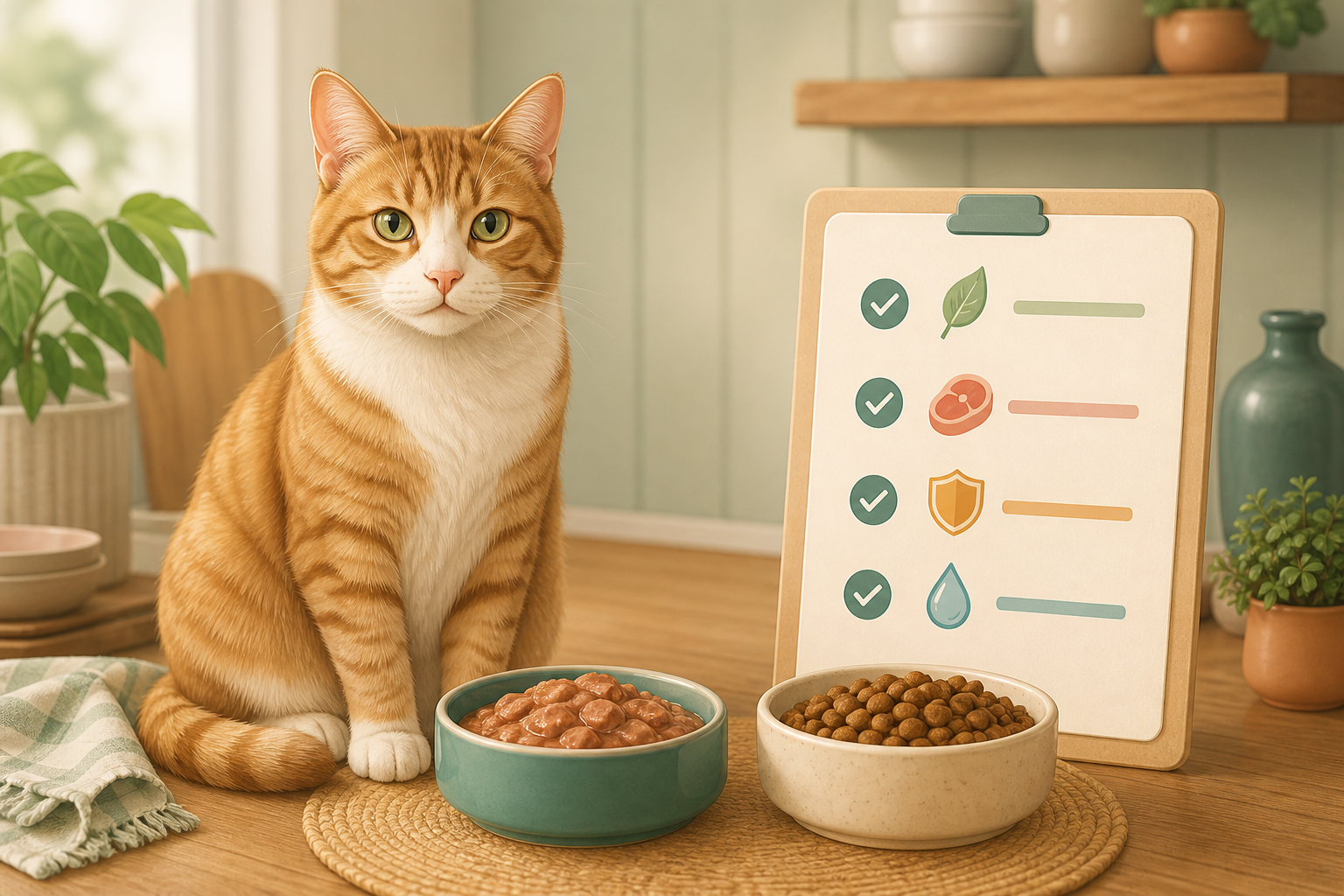
How to triage a suspected food, plant, or chemical exposure
When a cat chews a leaf or steals food off the counter, urgency depends on the toxin mechanism, the amount ingested relative to body weight, and time elapsed. Use the visual triage guide and matrix below to decide between immediate emergency transport, a same-day veterinary call, or calm home observation.
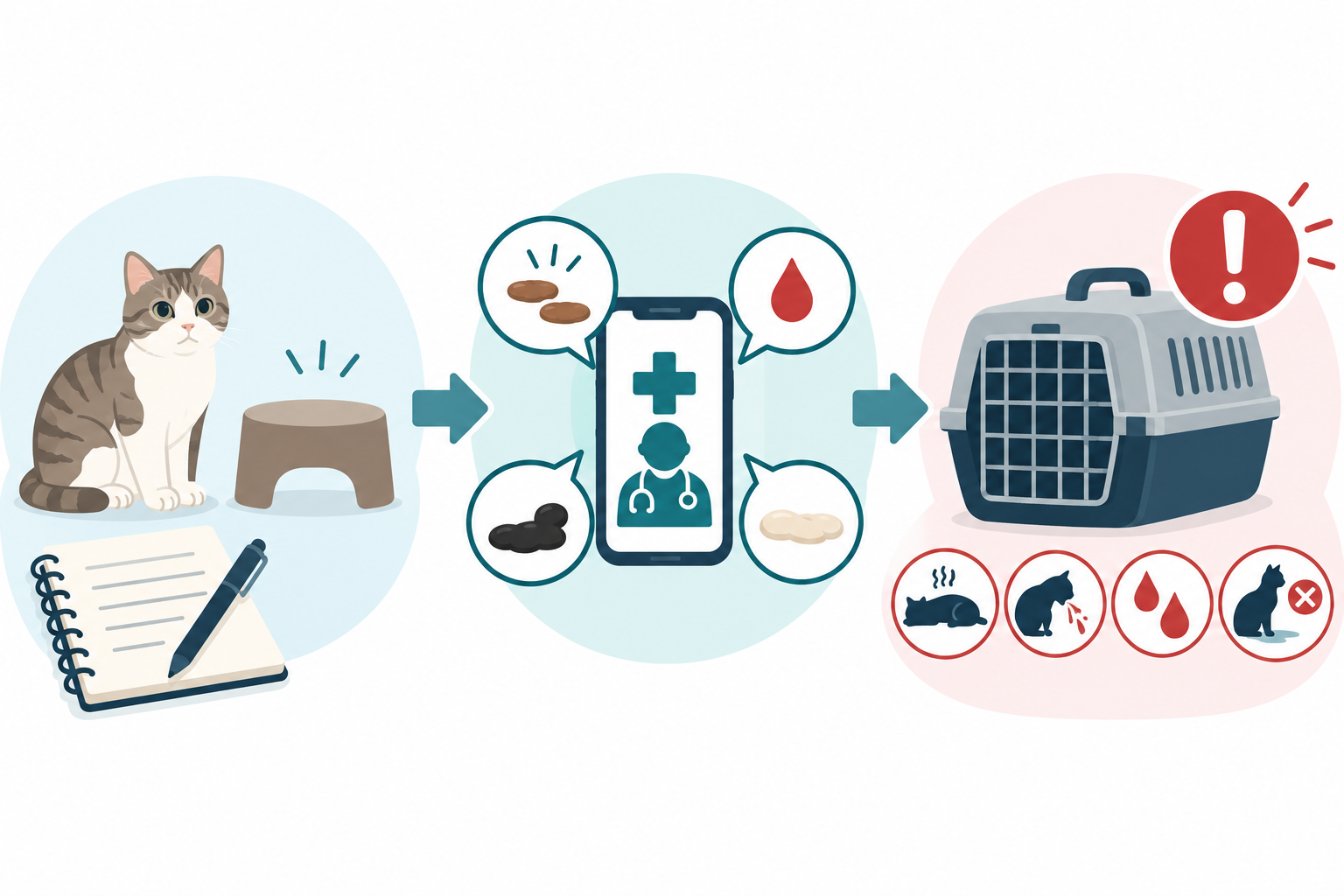
24/7 Emergency Poison Hotlines (US)
ASPCA Animal Poison Control: (888) 426-4435
Pet Poison Helpline: (855) 764-7661
Never induce vomiting at home unless instructed by a veterinarian. Have your cat’s weight, product/plant name, and exposure time ready.
| Urgency Tier | High-Risk Examples | Typical Symptom Window | Required Next Action |
|---|---|---|---|
| Emergency Now (Minutes–Hours) | True lilies (Lilium / Hemerocallis), acetaminophen, ibuprofen, permethrin dog flea drops, antifreeze, sago palm, rat bait | 0–12 hours (kidney/liver damage can progress silently before severe signs appear) | Transport to an emergency vet immediately; bring packaging or plant sample. |
| Prompt Vet Call Today | Onion/garlic powder, grapes/raisins, dark chocolate, essential oil diffusers, raw yeast dough, unknown houseplant | 1–24 hours (drooling, vomiting, lethargy, pale gums, ataxia) | Call your veterinarian or animal poison control with cat weight & estimated dose. |
| Monitor at Home (Mild GI) | Tiny lick of dairy, small nibble of spider plant/cat grass, plain cooked meat | 2–12 hours (soft stool, single hairball-like spit-up) | Offer fresh water, withhold rich treats for 24h, and log stool changes with our Cat Stool Color Checker. |
First 30 minutes after ingestion: What to do vs. what never to do
Document the source before calling your vet
Veterinary toxicologists calculate risk in milligrams per kilogram of body weight. Snapping a quick phone photo of the ingredient list, active mg strength, or plant leaves saves critical minutes during an emergency intake.

Do this immediately
- Secure the remaining source: Move the bouquet, pill bottle, or food plate into a closed cabinet so no other pets can reach it.
- Check fur and paws: If lily pollen or liquid flea product is on the coat, prevent grooming (use an E-collar if available) and follow vet instructions for gentle washing.
- Snap a clear photo of the ingredient label or plant: Photograph the exact scientific name, active mg/ml strength, and barcode.
- Weigh or note your cat’s recent weight: Poison control specialists calculate risk in milligrams per kilogram of body weight (check your Cat Weight Tracker).
Never do this at home
- Never induce vomiting with salt, mustard, or hydrogen peroxide: Hydrogen peroxide causes severe hemorrhagic gastritis and esophageal ulceration in cats.
- Never give human pain relievers or antihistamines: Over-the-counter human drugs (Tylenol, Advil, Aleve) are among the top causes of fatal feline poisoning.
- Never give milk or oil to “neutralize” a toxin: Fat can accelerate absorption of certain fat-soluble toxins and worsen vomiting or aspiration risk.
- Do not wait for symptoms with lilies or Tylenol: Once kidney failure or severe methemoglobinemia sets in, prognosis drops sharply.
Frequently Asked Questions
Why are lilies so uniquely dangerous to cats compared to dogs?
True lilies (Lilium species such as Easter, Asiatic, Stargazer, and Tiger lilies) and daylilies (Hemerocallis) contain an unidentified water-soluble toxin that selectively destroys feline renal tubular epithelial cells. Even licking a few grains of pollen off fur or drinking vase water can cause fatal acute kidney injury within 24–72 hours, whereas dogs typically experience only mild stomach upset.
Is a Peace Lily the same as a true lily?
No, though both should be kept away from cats. Peace lilies (Spathiphyllum), pothos, and monstera contain insoluble calcium oxalate crystals rather than kidney-toxic lily compounds. Chewing them causes immediate oral pain, drooling, and pawing at the mouth, which usually resolves after rinsing the mouth with water—unless airway swelling occurs.
How much of my cat’s daily calories can come from safe human treats?
Veterinary nutritionists (WSAVA) recommend keeping all treats—including plain cooked chicken, salmon, or pumpkin—below 10% of your cat’s daily calorie intake so they do not unbalance essential nutrients like taurine, calcium, and vitamin A. Check your cat’s exact treat calorie allowance using our Cat Calorie Calculator.
Are dried garlic or onion powders worse than fresh pieces?
Yes. Dehydrated onion and garlic powders (commonly hidden in baby food, broth cubes, gravy, and seasoned meats) are far more concentrated by weight than fresh vegetables and can trigger Heinz-body hemolytic anemia in cats even in small amounts.
Which indoor plants are genuinely safe for homes with plant-chewing cats?
Spider plants (Chlorophytum comosum), Boston ferns, Areca palms, Parlor palms, Calathea (prayer plants), and fresh cat grass (wheatgrass/oat grass) are listed as non-toxic to cats by the ASPCA. Keep in mind that eating large amounts of any fibrous leaf can still trigger mild mechanical vomiting.
Veterinary References & Related Guides
- ASPCA Animal Poison Control Center (APCC). Toxic and Non-Toxic Plants List & People Foods to Avoid Feeding Your Pets.
- Cornell Feline Health Center. Feline Toxins: Lilies, Household Medications, and Essential Oils. Cornell University College of Veterinary Medicine.
- Merck Veterinary Manual. Toxicology Overview & Allium Species Toxicosis in Small Animals.
- WSAVA Global Nutrition Committee. Daily Treat Calorie Allowance Guidelines (10% Rule).