
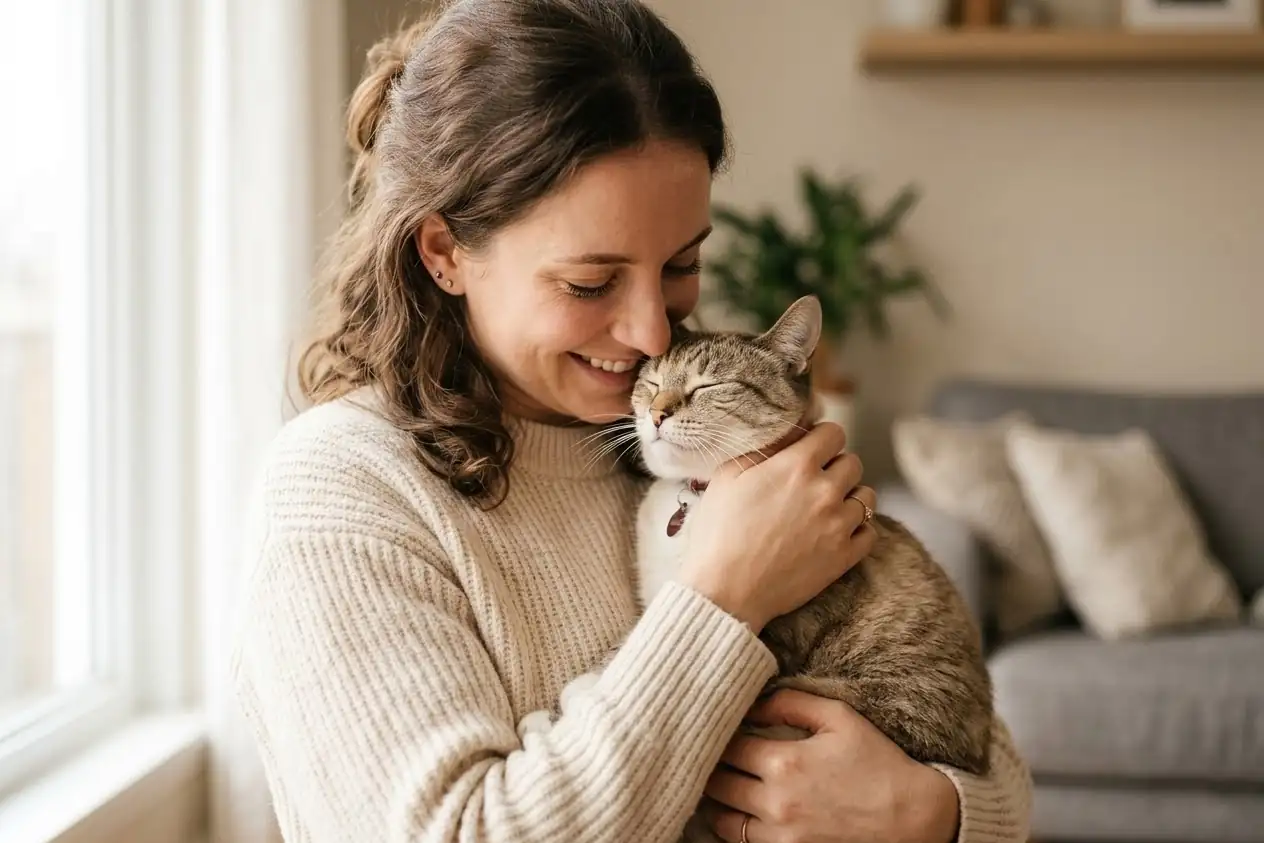
Everything you need to know to find, welcome, and bond with your new feline companion — from the first spark of an idea to a lifetime of purrs.
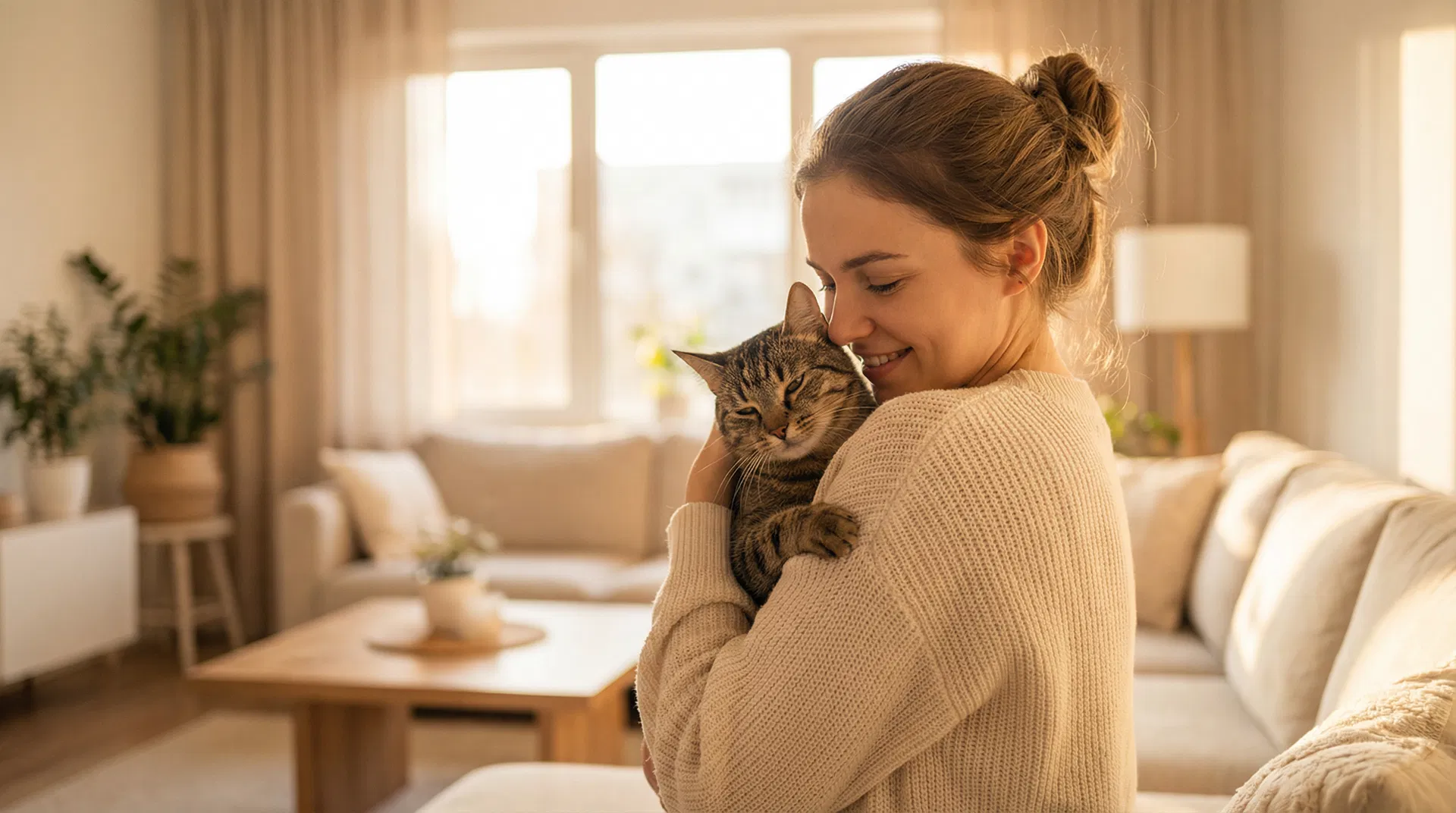
Bringing a cat into your life is one of the most rewarding decisions you can make. A gentle purr at the end of a long day, a playful pounce on a lazy Sunday morning, the quiet comfort of a warm body curled up beside you — these are the moments that make cat ownership so special. But the journey from "I think I want a cat" to "welcome home" involves more than just falling in love with a pair of bright eyes at a shelter.
This guide is designed to walk you through every step of the cat adoption process, whether you are a complete beginner or simply looking for a refresher. We will cover how to know if you are truly ready, where to find your new companion, how to choose the right match for your lifestyle, and exactly what to do during those crucial first weeks at home. Our goal is to make this journey as smooth, informed, and joyful as possible — for both you and your future feline soulmate.
What You'll Learn in This Guide
Chapter 1: Are You Ready? A Heartfelt Reality Check
Before you start browsing adorable adoption profiles, it is important to take a step back and honestly assess whether you are prepared for the commitment. Adopting a cat is not just a weekend decision; it is a promise that can last 15 to 20 years. This chapter is not meant to discourage you — quite the opposite. It is here to ensure that when you do bring a cat home, you are set up for success, and your new companion is set up for a happy, stable life.
The Commitment of Time and Heart
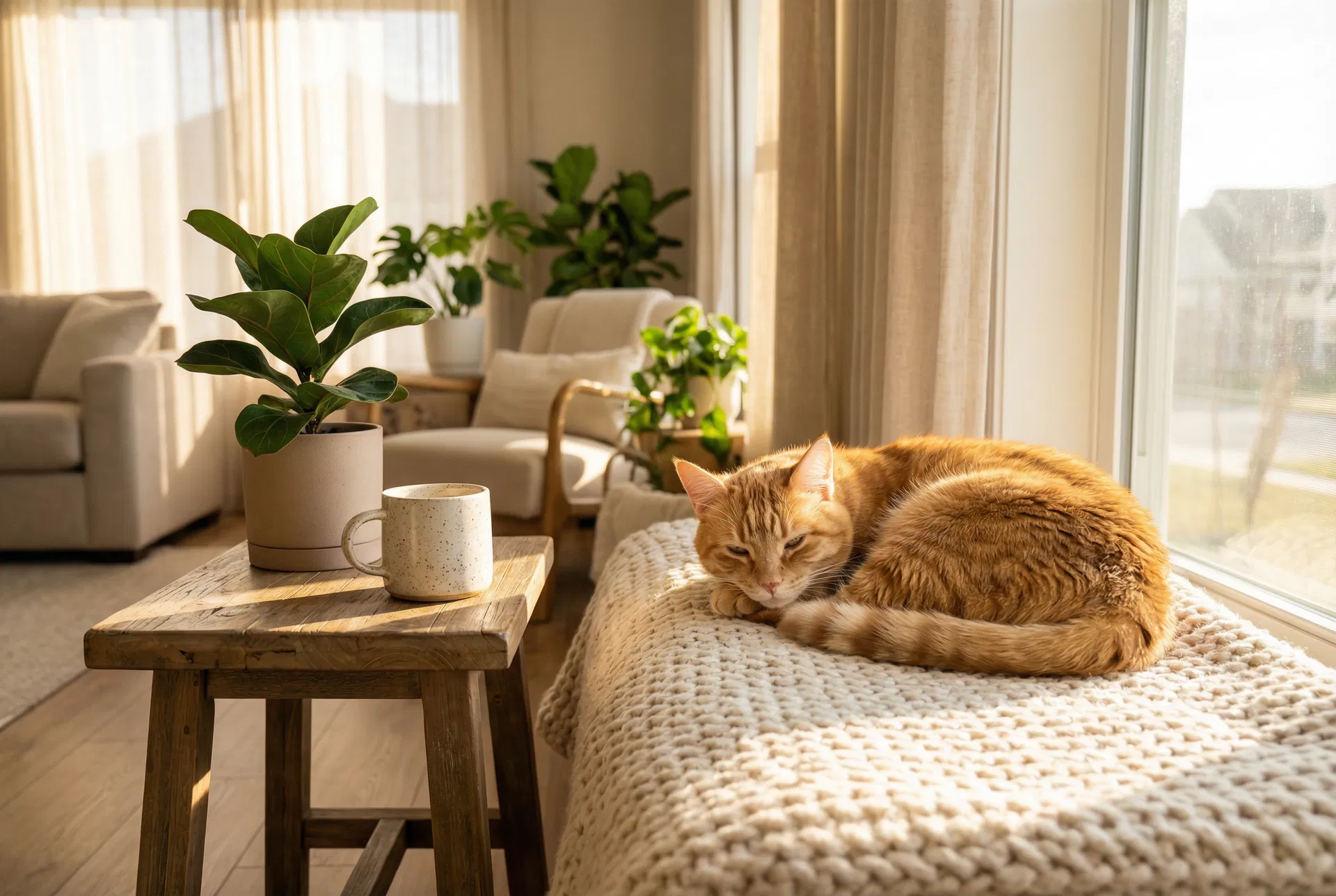
Cats are often described as "independent," and while they certainly have their own personalities, they still need daily interaction, mental stimulation, and affection. You will need to dedicate time each day for feeding, cleaning the litter box, and play. Beyond the daily routine, cats thrive on predictability and a sense of security. If you are curious about what different life stages look like, our cat age calculator can help you understand the journey ahead.
The Financial Commitment
While the adoption fee itself is often quite affordable (typically between $50 and $150 from a shelter), the ongoing costs of cat ownership add up. You will need to budget for high-quality food, regular veterinary checkups, vaccinations, litter, and unexpected emergencies. A realistic estimate for the first year of cat ownership, including initial setup, is roughly $1,000 to $2,500, with ongoing annual costs of approximately $700 to $1,500 for a healthy indoor cat.
| Expense Category | Initial Cost (Est.) | Annual Cost (Est.) |
|---|---|---|
| Adoption Fee | $50 – $150 | N/A |
| First Vet Visit & Vaccines | $150 – $400 | $65 – $200 |
| Spay/Neuter (if not included) | $200 – $500 | N/A |
| Food & Treats | $30 – $60 | $300 – $800 |
| Litter & Litter Box | $40 – $80 | $150 – $400 |
| Essential Supplies (carrier, bed, toys, scratcher) | $100 – $300 | $50 – $100 |
| Pet Insurance (optional) | N/A | $180 – $300 |
Your Home and Lifestyle
Before adopting, consider a few practical questions. Does your landlord allow pets? Does anyone in your household have cat allergies? Do you have other pets that might need a careful introduction? Do you travel frequently, and if so, who will care for your cat while you are away? If you are expecting a new baby, our article on balancing cat care with a new baby can help you prepare. Addressing these questions upfront will prevent heartbreak down the road and ensure a smooth transition for everyone involved.
Chapter 2: Where to Adopt: Shelters, Rescues & More
Once you have confirmed that you are ready, the next exciting step is deciding where to find your new companion. The two most common and recommended sources are animal shelters and breed-specific or foster-based rescues. Both are excellent choices, but they operate a little differently.
Animal Shelters
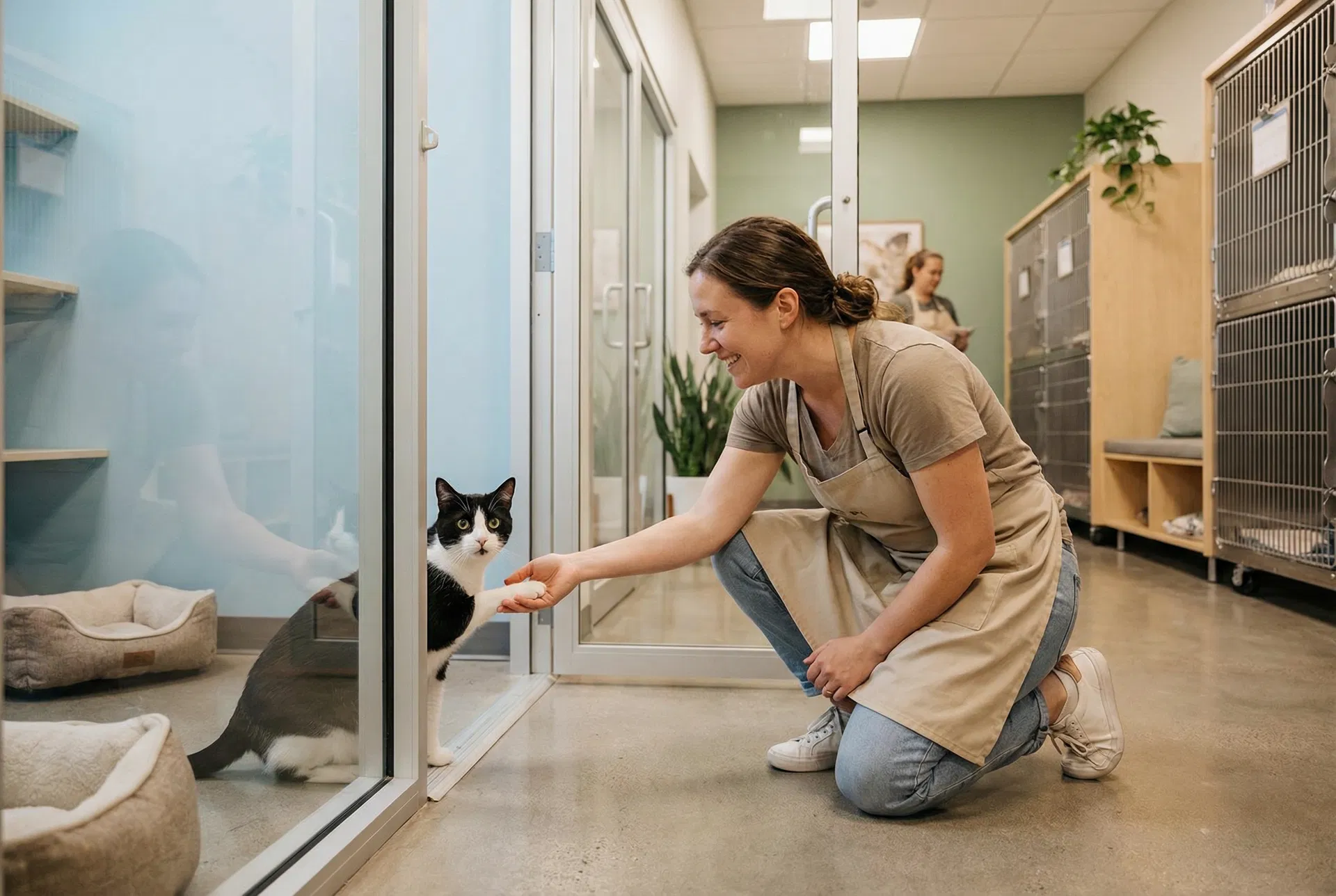
Municipal and private animal shelters house a wide variety of cats of all ages, breeds, and personalities. They are often the most accessible option and typically have lower adoption fees. Shelters are a wonderful place to find a cat because the staff can often tell you a great deal about a cat's temperament, health history, and behavior. Visiting a shelter is also a deeply rewarding experience — you are quite literally saving a life.
Foster-Based Rescues
Rescue organizations often operate through a network of foster homes rather than a central facility. This means the cats live in a home environment, and the foster parent can provide incredibly detailed insights into the cat's personality, habits, and how they interact with other animals or children. This can be especially helpful if you have specific needs or concerns. Stories like this shelter mama cat's adoption journey show just how transformative rescue can be.
How to Spot a Reputable Organization
Not all organizations are created equal. A reputable shelter or rescue will be transparent about a cat's medical history, will have had the cat examined by a veterinarian, and will ask you thoughtful questions about your home and lifestyle. Be cautious of any organization that pressures you into a quick decision, does not provide medical records, or seems to prioritize volume over the well-being of the animals.
Chapter 3: Finding Your Perfect Match
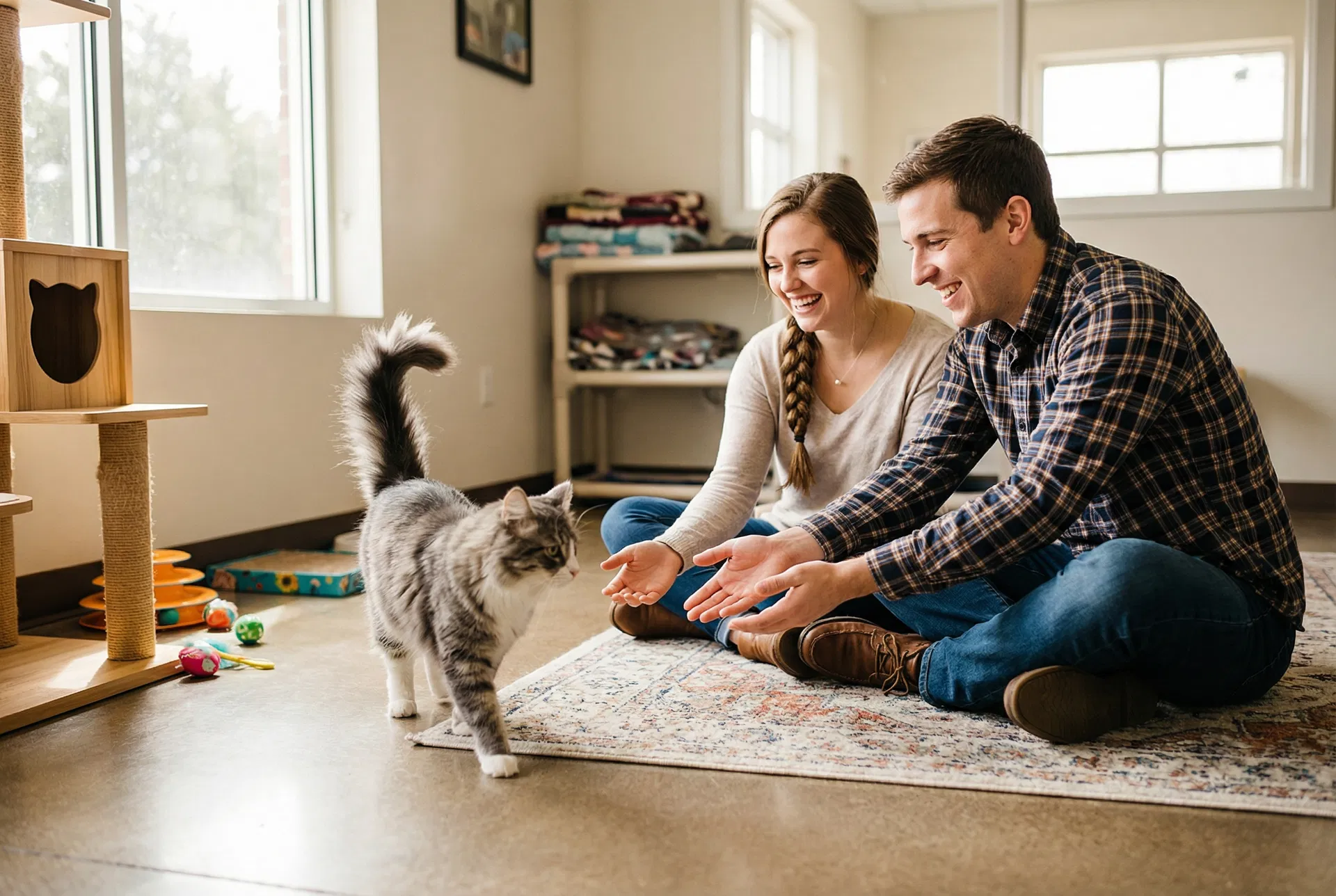
This is the part where the magic happens. Choosing a cat is a deeply personal decision, and it should be guided by more than just appearance. The best adoptions happen when there is a genuine compatibility between the cat's personality and the adopter's lifestyle. Think of it less like shopping and more like matchmaking.
Kitten, Adult, or Senior?
One of the first decisions you will face is the age of the cat you want to adopt. Each life stage comes with its own set of joys and considerations.
| Factor | Kitten (0–1 year) | Adult (1–10 years) | Senior (10+ years) |
|---|---|---|---|
| Energy Level | Very high; needs lots of play and supervision | Moderate; settled but still playful | Low to moderate; prefers calm companionship |
| Personality | Still developing; less predictable | Established; what you see is what you get | Well-established; often very affectionate |
| Training | Needs litter training, socialization | Usually litter-trained and socialized | Fully trained; knows the routine |
| Health Costs | Initial vaccines, spay/neuter | Generally lower; routine care | May be higher; potential for age-related conditions |
| Best For | Active households with time for training | Most lifestyles; great for first-timers | Calm homes; experienced owners |
If you are a first-time cat owner, an adult cat (1–7 years old) is often the best choice. Their personality is already formed, so you know exactly what you are getting. They are typically calmer than kittens and require less intensive supervision. For those with a quieter lifestyle, adopting a senior cat can be an incredibly rewarding experience — they are often the most overlooked cats in shelters, yet they have so much love to give. Read more heartwarming stories like Elvis the senior cat's adoption or Lucinda's second chance.
Understanding Personality and Temperament
Beyond age, every cat has a unique personality. Some are bold and outgoing, eager to meet every visitor. Others are shy and reserved, preferring to observe from a safe distance before warming up. When you visit a shelter, spend time with the cat in a quiet room if possible. Ask the staff or foster parent about the cat's behavior: Do they enjoy being held? Are they playful or more of a lap cat? How do they react to new people or loud noises? Understanding these traits will help you find a cat whose temperament aligns with your own. If you are looking for a particularly friendly companion, our guide to the friendliest cat breeds and most affectionate cat breeds can help narrow your search.
A Note on Breeds
While many shelter cats are mixed breeds (and wonderfully unique because of it), you may have a preference for a specific breed. If so, breed-specific rescues are an excellent resource. Keep in mind that breed is just one factor — individual personality matters far more than breed stereotypes. To explore the characteristics of different breeds, browse our guides on shorthair breeds, long-haired breeds, or large cat breeds.
The Special Joy of Bonded Pairs and Special-Needs Cats
Consider opening your heart to a bonded pair (two cats who are deeply attached and should be adopted together) or a cat with special needs. These animals often wait the longest in shelters, yet they can bring an extraordinary amount of joy and meaning to your life. Two cats can also keep each other company, which can be a real benefit if you work during the day. Stories like these inseparable kittens adopted together or this disabled cat's heartwarming adoption show the incredible bonds that form.
Not Sure Which Cat Is Right for You?
Explore our breed guides and personality profiles to find a feline companion that matches your lifestyle perfectly.
Discover Friendly Breeds Most Affectionate CatsChapter 4: The Adoption Process, Step-by-Step
The formal adoption process can feel a little intimidating, especially if it is your first time. But it is designed to be a positive experience for everyone involved. Here is what you can typically expect.
Submit Your Application
Most shelters and rescues require a written application. This typically asks about your living situation, experience with pets, daily schedule, and what you are looking for in a cat. Be honest and thorough — the goal is to find the best match, not to "pass a test."
The Interview or Conversation
Some organizations will follow up with a phone call or in-person conversation. This is a chance for them to learn more about you and for you to ask questions about the cat you are interested in. Think of it as a two-way interview.
The Meet-and-Greet
This is the best part. You will get to spend time with the cat in a quiet setting. Observe how they react to you. Do they approach you? Do they seem comfortable? Trust your instincts and the guidance of the staff. If you have other pets, some organizations may arrange a supervised introduction.
Finalize the Adoption
Once you have found your match, you will sign an adoption contract, pay the adoption fee, and receive the cat's medical records (vaccinations, spay/neuter status, microchip information). Make sure you have a secure carrier ready for the trip home.
Schedule the First Vet Visit
Even if the shelter has provided initial medical care, schedule a wellness check with your own veterinarian within the first 7 to 14 days. This establishes a baseline for your cat's health and gives you a chance to discuss nutrition, parasite prevention, and any concerns. Our guide on cat deworming strategies is a great resource for understanding preventive care.
Chapter 5: Welcome Home! Preparing Your Space
Preparation is the key to a smooth homecoming. Before your new cat arrives, you will want to have everything set up so they can settle in comfortably and safely. Think of it as preparing a guest room for a very important, slightly nervous visitor.

Your New Cat Shopping Checklist
Having the essentials ready before your cat comes home will reduce stress for both of you. Here is what you will need:
- A sturdy cat carrier — essential for the trip home and future vet visits. If you plan to travel, see our traveling with a cat guide.
- Food and water bowls — stainless steel or ceramic are best. Consider a water fountain for fresh, flowing water.
- High-quality cat food — ask the shelter what the cat has been eating and start with the same brand to avoid digestive upset. Explore our guide on how much wet food to feed a cat and the benefits of wet food for recommendations.
- A litter box and litter — the general rule is one box per cat, plus one extra. Unscented, clumping litter is a safe starting choice.
- A scratching post or pad — essential for healthy claw maintenance and to protect your furniture.
- A cozy bed or blanket — somewhere soft and warm for your cat to retreat to. Learn more about creating the ideal sleep environment.
- Toys — a variety of interactive toys (wand toys, balls, puzzle feeders) for mental and physical stimulation.
- A hiding spot — a covered bed, a cardboard box, or a space under a shelf where your cat can feel safe.
Cat-Proofing Your Home
Before your new arrival, do a walkthrough of your home with a "cat's eye view." Secure loose electrical cords, remove or relocate toxic plants (lilies are especially dangerous for cats), ensure windows and balconies are secure, and store away small objects that could be swallowed. Pay special attention to the kitchen and bathroom, where cleaning supplies and medications should be locked away.
Setting Up the "Base Camp"
The concept of a "base camp" is one of the most important things you can do for your new cat. Choose one quiet room in your home — a spare bedroom or a home office works well — and set it up with all the essentials: litter box, food, water, a bed, a scratching post, and a hiding spot. This will be your cat's entire world for the first few days, giving them a manageable space to decompress and start feeling safe before gradually exploring the rest of your home.
Chapter 6: The First 30 Days: The 3-3-3 Rule
Congratulations — your new cat is home! Now comes the most important part: the adjustment period. The widely recognized "3-3-3 Rule" provides a helpful framework for understanding what your cat is going through and what you can do to help.
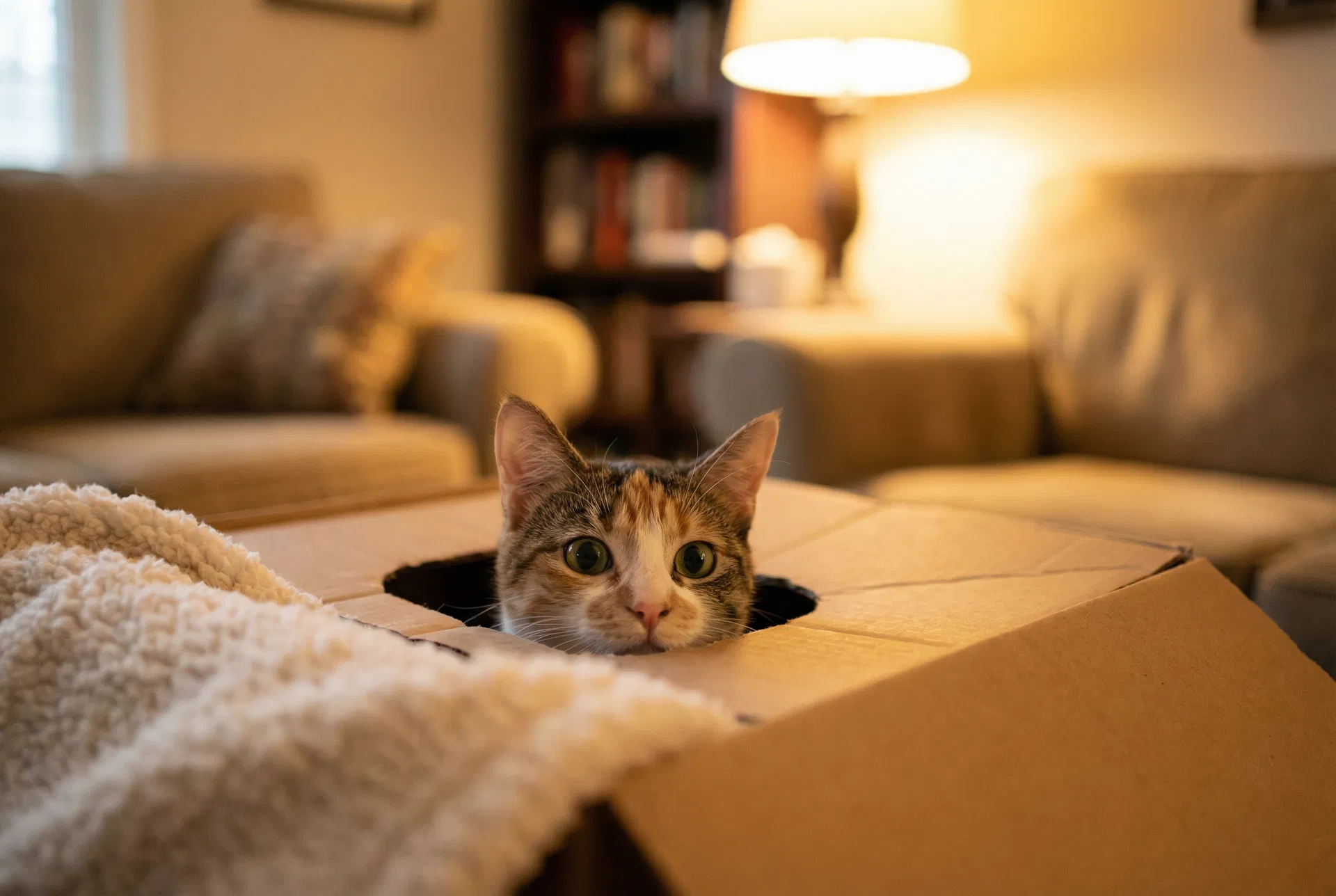
The 3-3-3 Rule breaks the adjustment period into three phases: 3 days of decompression, 3 weeks of learning the routine, and 3 months of truly feeling at home. Understanding this timeline will help you stay patient and supportive during what can sometimes feel like a slow process.
First 3 Days: Decompression
Your cat may feel overwhelmed, scared, or shut down. They might hide, refuse to eat, or not use the litter box. This is completely normal. Keep them in their base camp. Sit quietly in the room, read a book, or talk softly. Do not force interaction. Let them come to you on their own terms. If your cat is hiding, our article on why cats hide can help you understand their behavior.
First 3 Weeks: Learning the Routine
Your cat will start to emerge, explore, and learn the rhythms of your household. They will begin to eat more regularly, use the litter box consistently, and may start seeking out affection. This is a great time to establish a feeding schedule and introduce short, gentle play sessions. You can start to gradually open up more of your home, one room at a time. Use our calorie calculator to ensure you are feeding the right amount.
First 3 Months: Feeling at Home
By now, your cat should be feeling comfortable and secure. Their true personality will start to shine through. They will have established favorite spots, preferred toys, and a clear routine. This is when the real bond deepens. You may notice them kneading on your lap, greeting you at the door, or becoming increasingly cuddly. These are beautiful signs that your cat has truly accepted you as their person.
The First Vet Visit
Within the first one to two weeks, take your new cat for a comprehensive wellness exam. Even if the shelter provided vaccinations and a basic checkup, your own vet will establish a health baseline and can advise on nutrition, parasite prevention (like deworming and ear mite prevention), and any breed-specific health considerations. If you adopted a kitten, our guide on when to switch from kitten to cat food will be helpful as they grow. This visit is also a great opportunity to ask all the questions you have been collecting.
Ready to Start Your Journey?
You have the knowledge. You have the heart. Now explore our library of expert guides to prepare for every step of life with your new feline companion.
Read Our Adoption Guide Try Our Calorie CalculatorYour Adoption Questions, Answered
The timeline varies by organization. Some shelters allow same-day adoptions, while foster-based rescues may take a few days to a couple of weeks to process your application, conduct a home check (if required), and arrange a meet-and-greet. On average, expect the process to take anywhere from 1 day to 2 weeks.
Absolutely! Many cats thrive in apartments. The key is to provide enough vertical space (cat trees, shelves), enrichment (toys, puzzle feeders, window perches), and daily interactive play. An apartment can be a perfectly wonderful home for a cat, especially an adult or senior cat with a calmer temperament. Just make sure your lease allows pets.
Common reasons include a landlord who does not allow pets, a history of surrendering animals, an unwillingness to keep the cat indoors, or a mismatch between the adopter's lifestyle and the cat's needs. Being honest and thorough on your application is the best way to avoid issues. If you are denied, ask for feedback — it is usually about finding the right fit, not a personal judgment.
Slow and steady is the golden rule. Keep the new cat in a separate room for at least the first week. Allow the animals to sniff each other under the door and exchange bedding to get used to each other's scent. Gradually introduce short, supervised face-to-face meetings, and always have an escape route available for both animals. Never force an interaction. This process can take days to weeks, and patience is essential.
If your budget and space allow, adopting two cats (especially a bonded pair or two kittens) can be a wonderful choice. Cats are more social than many people realize, and a companion can provide play, comfort, and reduce boredom-related behavioral issues. If you work long hours, a second cat can make a significant difference in your first cat's quality of life.
It is common for a newly adopted cat to skip meals for the first 24 to 48 hours due to stress. Offer the same food they were eating at the shelter, place it near their hiding spot, and give them space. Try warming the food slightly to release its aroma. If your cat has not eaten for more than 48 hours, contact your veterinarian, as prolonged fasting can be dangerous for cats. For more on feline nutrition, visit our guide on how often to feed your cat wet food.
Adoption fees from shelters and rescues typically range from $50 to $200, and this fee often includes spay/neuter surgery, initial vaccinations, a microchip, and sometimes a basic health exam. This is significantly less than purchasing from a breeder and provides tremendous value, as these medical procedures alone could cost several hundred dollars.
Yes, many cats do wonderfully with children. The key is to choose a cat with a calm, patient temperament (adult cats are often a better fit than kittens for families with toddlers) and to teach your children how to interact gently and respectfully with the cat. Always supervise interactions between young children and cats, and ensure the cat always has a safe space to retreat to if they feel overwhelmed. Our article on balancing cat care with a new baby offers more detailed advice.
A Lifetime of Snuggles Awaits
Adopting a cat is one of the most beautiful things you can do — for the cat, and for yourself. The journey from that first moment of curiosity to the deep, quiet bond you will build over the years is truly one of life's great gifts. There will be playful mornings, peaceful evenings, and countless moments of unexpected joy.
At SnuggleSouls, we are here to support you at every step of this journey. From understanding your cat's tail language to learning about what their sleeping positions mean, our science-backed guides are designed to help you be the best cat parent you can be. Welcome to the family.
Continue Your Cat Care Journey
Explore our complete library of expert-written, science-backed guides on feeding, behavior, health, and daily care.
Visit SnuggleSouls Home Try Our Cat Calorie Calculator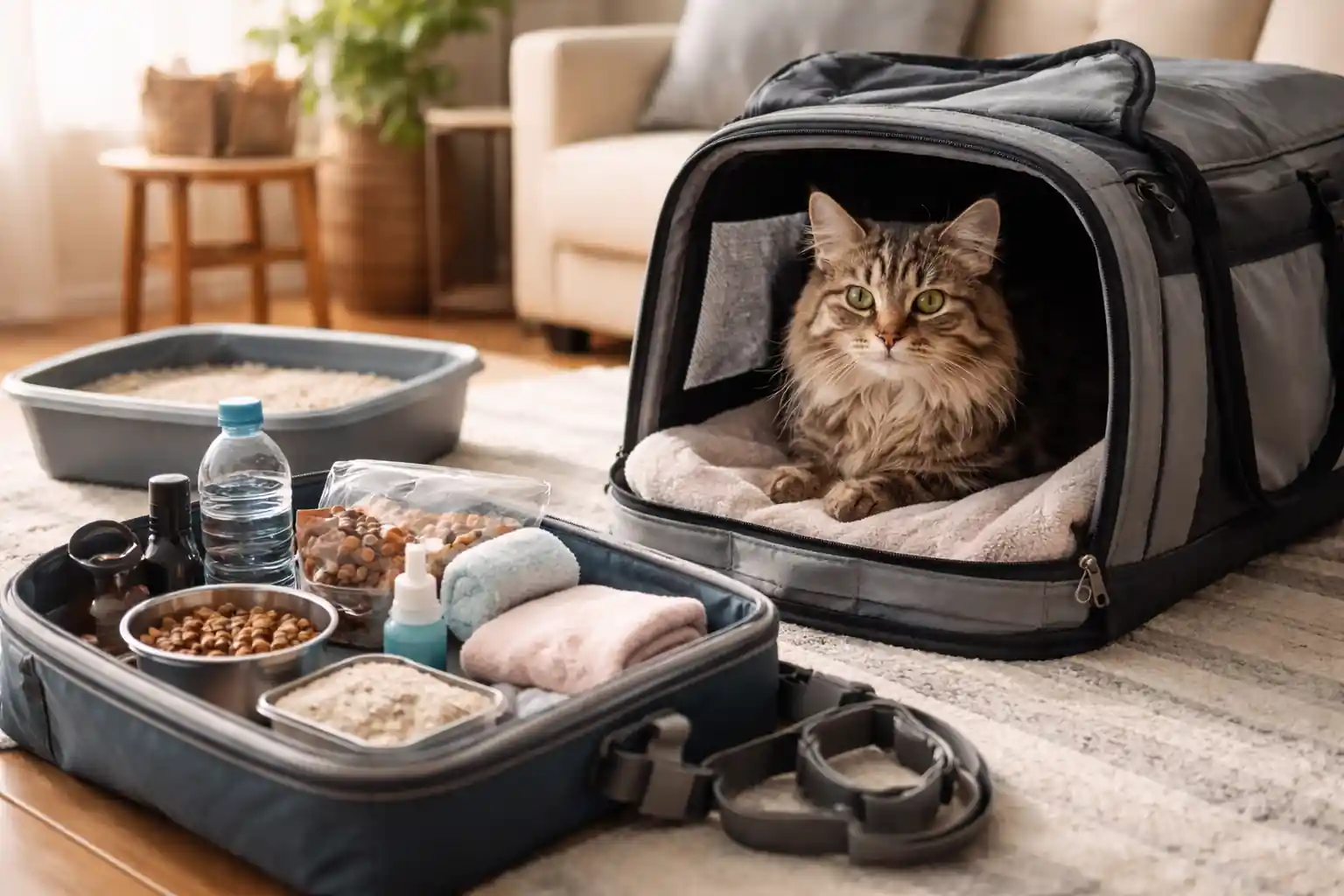






 EN
EN DE
DE ES
ES PT
PT