
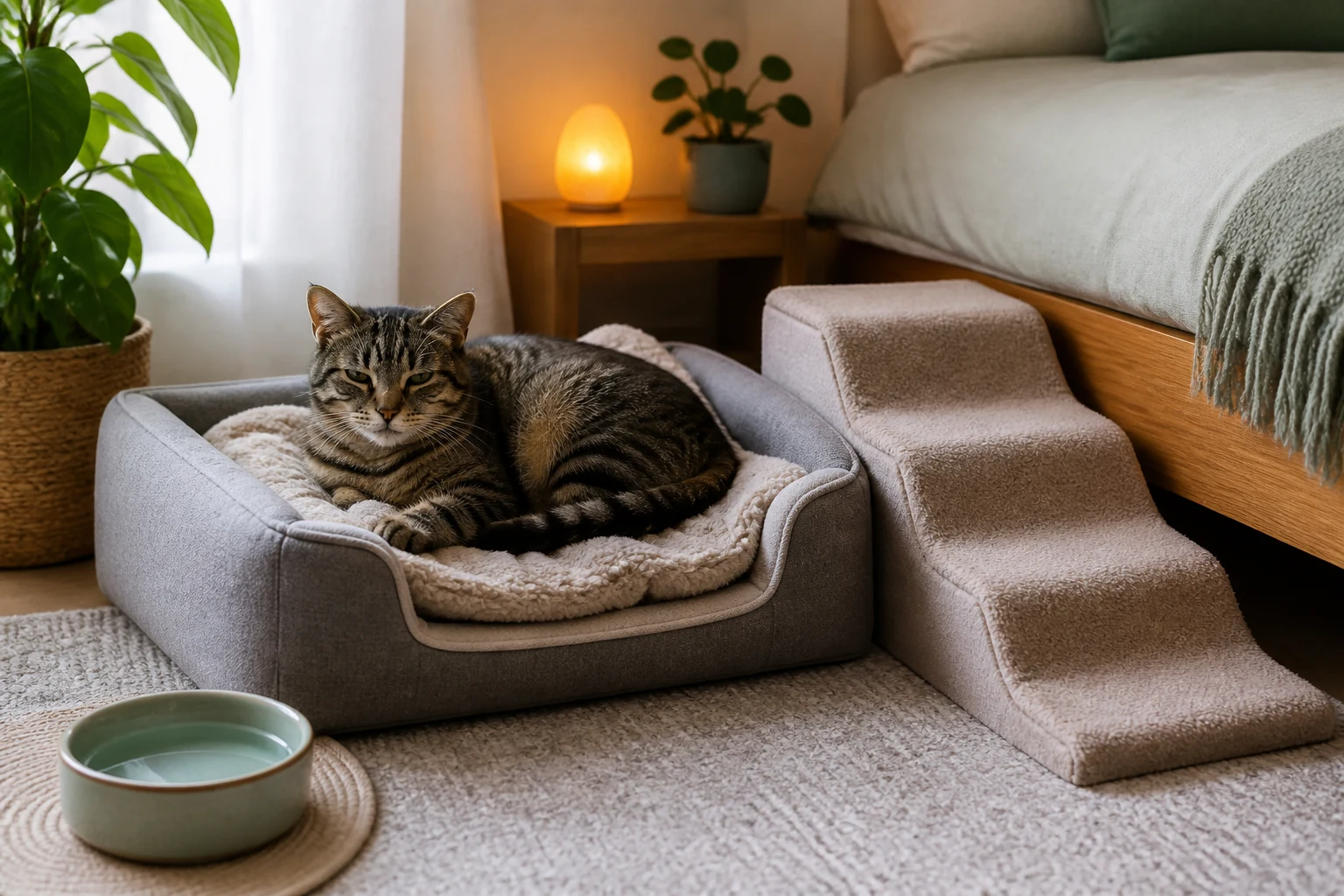
An arthritis-friendly senior cat bedroom should make the easiest path the safest path: a low bed, warm resting choices, nonslip footing, water nearby, and a softly lit route to the litter box. These changes do not diagnose or treat arthritis, but they can reduce painful jumping and give your veterinarian clearer clues about what your cat is struggling to do.
Many older cats do not limp dramatically when their joints hurt. Cornell notes that degenerative joint disease is common in older cats and may show up as trouble reaching litter boxes, food, or water, especially when jumping or stairs are involved 1. Older cats also commonly change sleeping patterns and may avoid former resting places, so a bedroom setup matters because many senior cats spend long stretches resting there, then need to move in dim light when they are stiff from sleep 2.
This guide focuses only on the bedroom: bed height, warmth, night lighting, rug paths, and what to keep close. For broader ramps, litter box changes, and whole-home resource planning, pair this with SnuggleSouls' guide on how to help an arthritic cat at home.
Índice
- How is a bedroom setup different from whole-home arthritis support?
- What bed setup is easiest for a senior cat with arthritis?
- How can you use warmth safely without overheating your cat?
- How should you arrange night paths for a stiff senior cat?
- What should you keep near the bed?
- What bedroom clues suggest arthritis pain is getting worse?
- What should you avoid in an arthritis-friendly cat bedroom?
- Conclusion: Make the easiest path the safest path
- Preguntas frecuentes
- Referencias
How is a bedroom setup different from whole-home arthritis support?
A bedroom setup is the overnight version of arthritis support: fewer choices, shorter distances, softer landings, and predictable routes. Whole-home support may include ramps, litter box placement, feeding stations, and favorite perches, but the bedroom should answer one question: can your cat wake up stiff and still reach comfort, water, and toileting without a hard jump?
Senior cats may become less adaptable as they age, and Cornell recommends close observation because behavior or physical changes can signal a medical problem rather than "just old age" 1. That is why the bedroom should be simple enough for you to notice small changes. If your cat suddenly sleeps under the bed instead of in the soft bed, avoids a once-favorite spot, or hesitates at the doorway, the room itself becomes a daily comfort check.
A useful bedroom plan includes:
| Bedroom need | Arthritis-friendly choice | Por qué es útil |
|---|---|---|
| Resting | Low-sided bed on the floor | Reduces climbing, jumping, and awkward twisting |
| Calor | Optional warm spot plus a cooler exit | Lets the cat choose comfort without being trapped |
| Footing | Nonslip rug or mat from bed to door | Helps stiff hips and paws feel stable |
| Night movement | Soft night lights and a clear route | Reduces hesitation in dim rooms |
| Toileting | Nearby low-entry box if appropriate | Shortens urgent nighttime trips |
What bed setup is easiest for a senior cat with arthritis?
The easiest bed is low, stable, padded, and placed where your cat already likes to sleep. A thick luxury bed is not helpful if the sides are so tall that your cat has to climb over them.
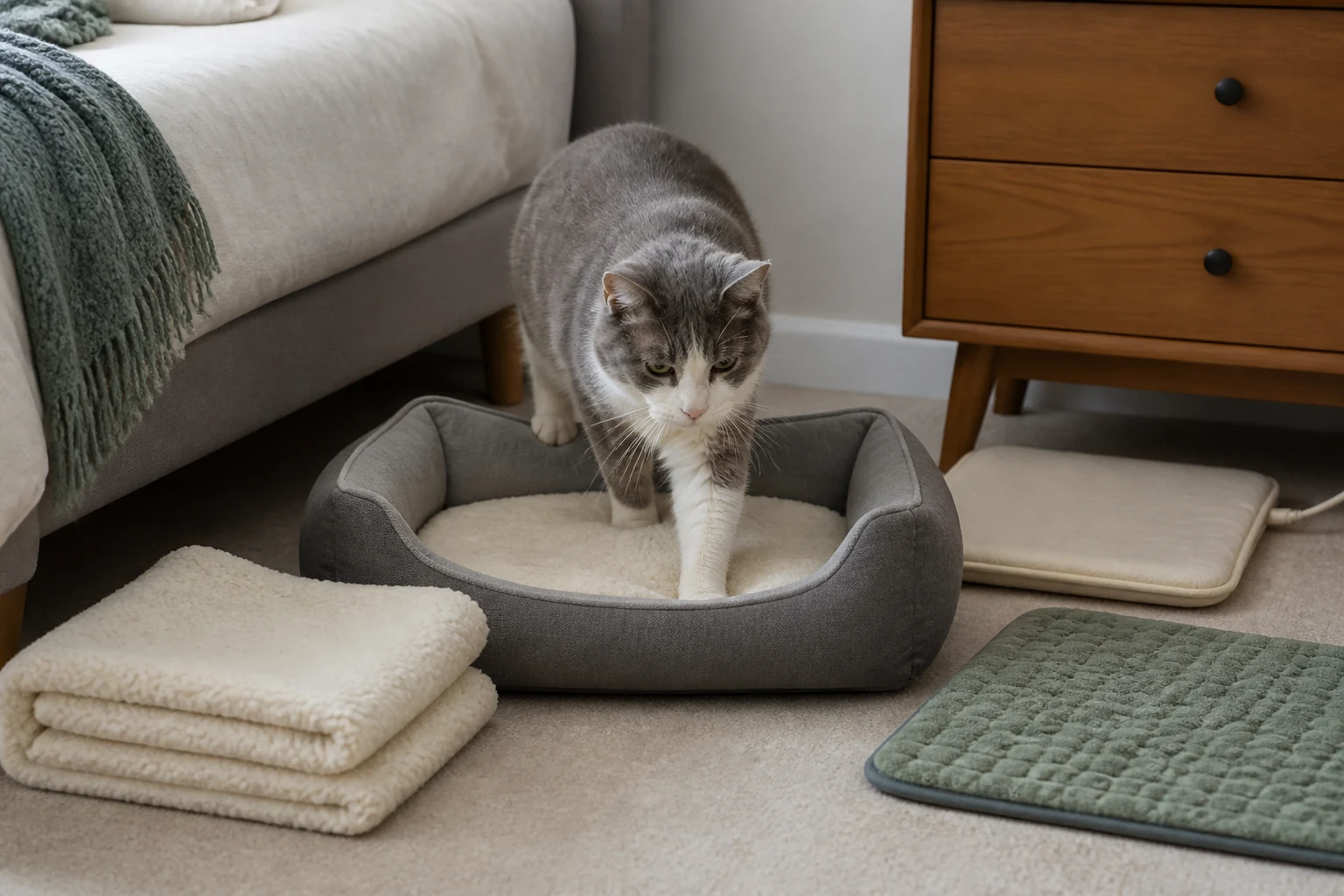
Start with the entry height. A low front edge or open-front bed lets your cat step in rather than hop in. If your cat likes bolsters, choose a bed with one low entry point and supportive sides around the rest. The floor underneath matters too: a bed on slick wood can slide when a stiff cat steps into it, so place it on a rubber-backed rug or nonslip mat.
Padding should support joints without swallowing the cat. Very soft beds can be hard to stand up from, especially for cats with sore hips, elbows, or backs. Look for a surface that compresses enough to feel cushioned but stays stable when your cat pushes up.
Placement is part of comfort. Put the bed away from drafts, foot traffic, and sudden door swings, but close enough that your cat does not have to cross the entire room for water or the doorway. The AAFP/ISFM environmental guidelines emphasize that cats need safe, separated, accessible resources and resting areas that support control over their environment 3. In a senior bedroom, that often means giving the cat a quiet resting station instead of expecting them to keep using high furniture.
How can you use warmth safely without overheating your cat?
Warmth can help a stiff senior cat settle, but it should always be optional. Give your cat a warm spot and an easy cooler spot so they can move away without climbing, squeezing, or crossing a slippery floor.
Good options include a fleece layer, a self-warming bed insert, or a pet-safe warming pad used exactly as directed. Environmental comfort advice for arthritic cats commonly includes easier access to favorite places, beds, bowls, toys, and litter boxes 5. Avoid heating pads meant for humans unless your veterinarian specifically approves the setup; cats may not move away quickly if they are very stiff, deeply asleep, or unwell. Keep cords hidden or protected so they do not become chew or trip hazards.
Watch your cat's choices. If your cat curls tightly, seeks sun patches, or sleeps pressed against warm laundry, a warmer bed area may be welcome. If your cat sprawls, pants, leaves the bed frequently, or seems restless, reduce warmth and make sure the room is not too hot. Older cats can have multiple health conditions, and the 2021 AAFP senior care guidelines emphasize individualized care because aging cats often manage more than one chronic issue 4.
Use this simple warmth check:
| Setup | Use it when | Avoid or adjust when |
|---|---|---|
| Fleece blanket | Your cat likes kneading or nesting | It bunches into a tripping lump |
| Self-warming pad | Your cat seeks warm surfaces | The surface slides underfoot |
| Pet warming pad | Your vet agrees and the product is cat-safe | Your cat cannot leave the warm area easily |
| Sunny bed spot | The room stays mild | The cat gets trapped in heat or direct intense sun |
How should you arrange night paths for a stiff senior cat?
Arrange the night path so your cat can walk, not jump, from bed to doorway, water, and litter access. The route should be visible in low light, wide enough for turning, and covered where the floor is slippery.
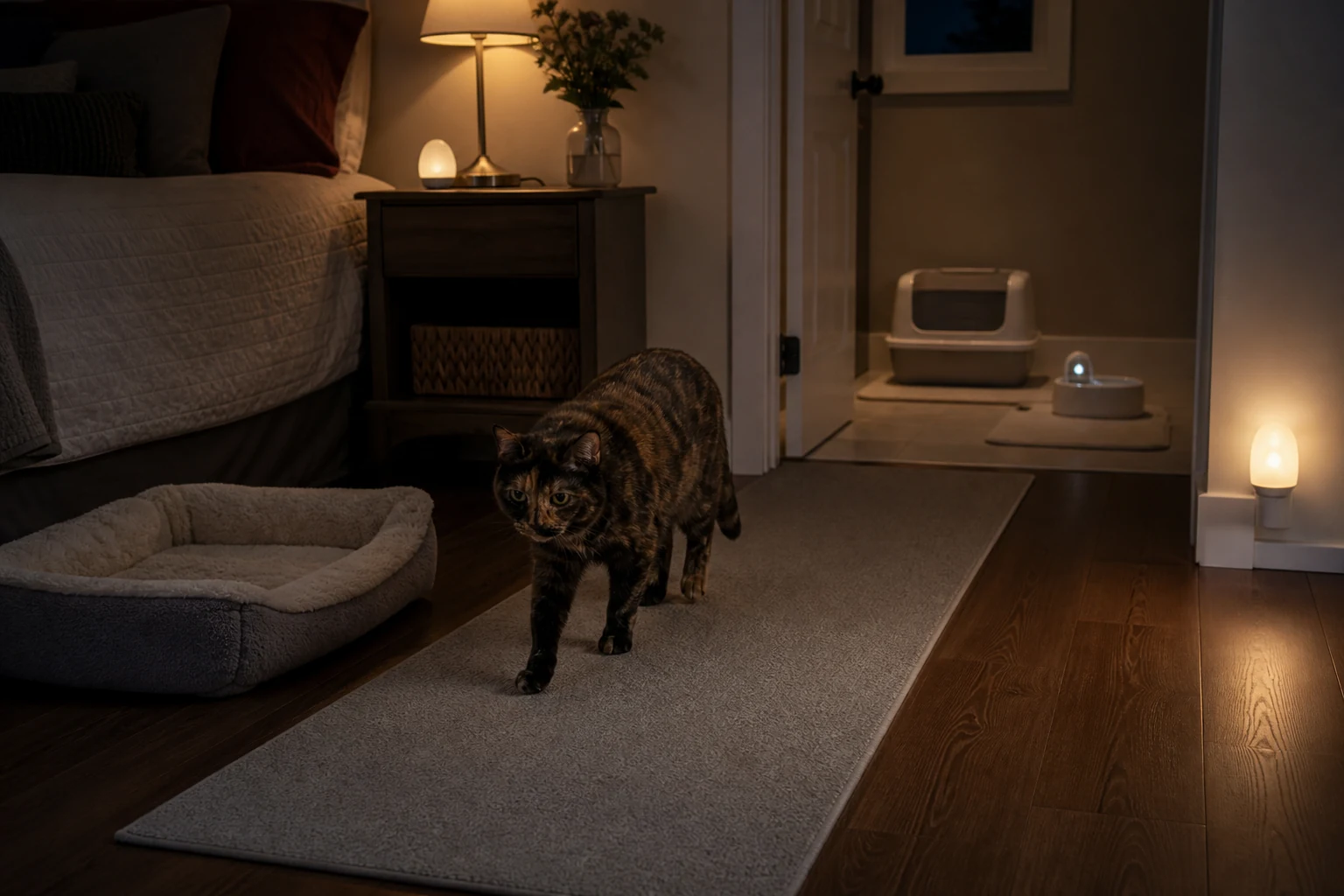
A good night path has three features: traction, light, and no surprises. Use a flat rug runner or nonslip mats between the bed and the doorway. Remove laundry piles, loose cords, storage bins, and narrow gaps between furniture. Add a warm night light near the route, not shining directly into the bed.
If the litter box is far away, upstairs, downstairs, or behind an obstacle, consider adding a nearby senior-friendly option. A low-entry litter box for senior cats can make a major difference when hips or backs are stiff, and the broader La mejor configuración para la bandeja sanitaria del gato still applies: quiet placement, enough space, clean litter, and easy access.
Do not place the food bowl, water bowl, and litter box tightly together just because the bedroom is small. Cats generally prefer key resources to be separated, and environmental guidelines support giving cats access to appropriate, distinct resource areas 3. In a bedroom, even a few extra feet of separation can make the setup feel cleaner and less stressful.
What should you keep near the bed?
Keep only the things that make nighttime easier: water, a stable step or ramp if the cat still uses your bed, a grooming-safe blanket, and your observation notes. The goal is not to turn the bedroom into a clinic; it is to reduce effort and notice patterns.
Helpful items include:
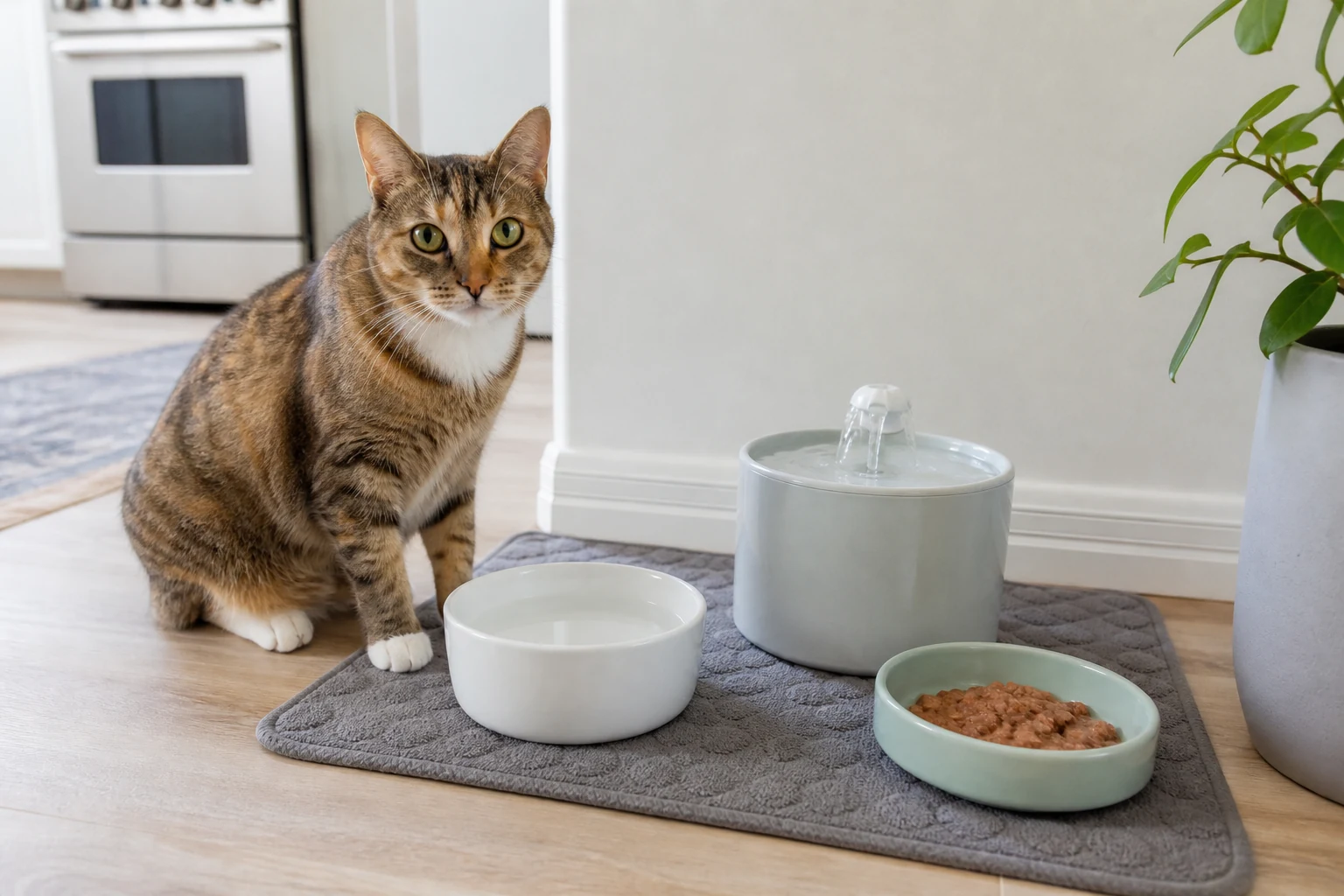
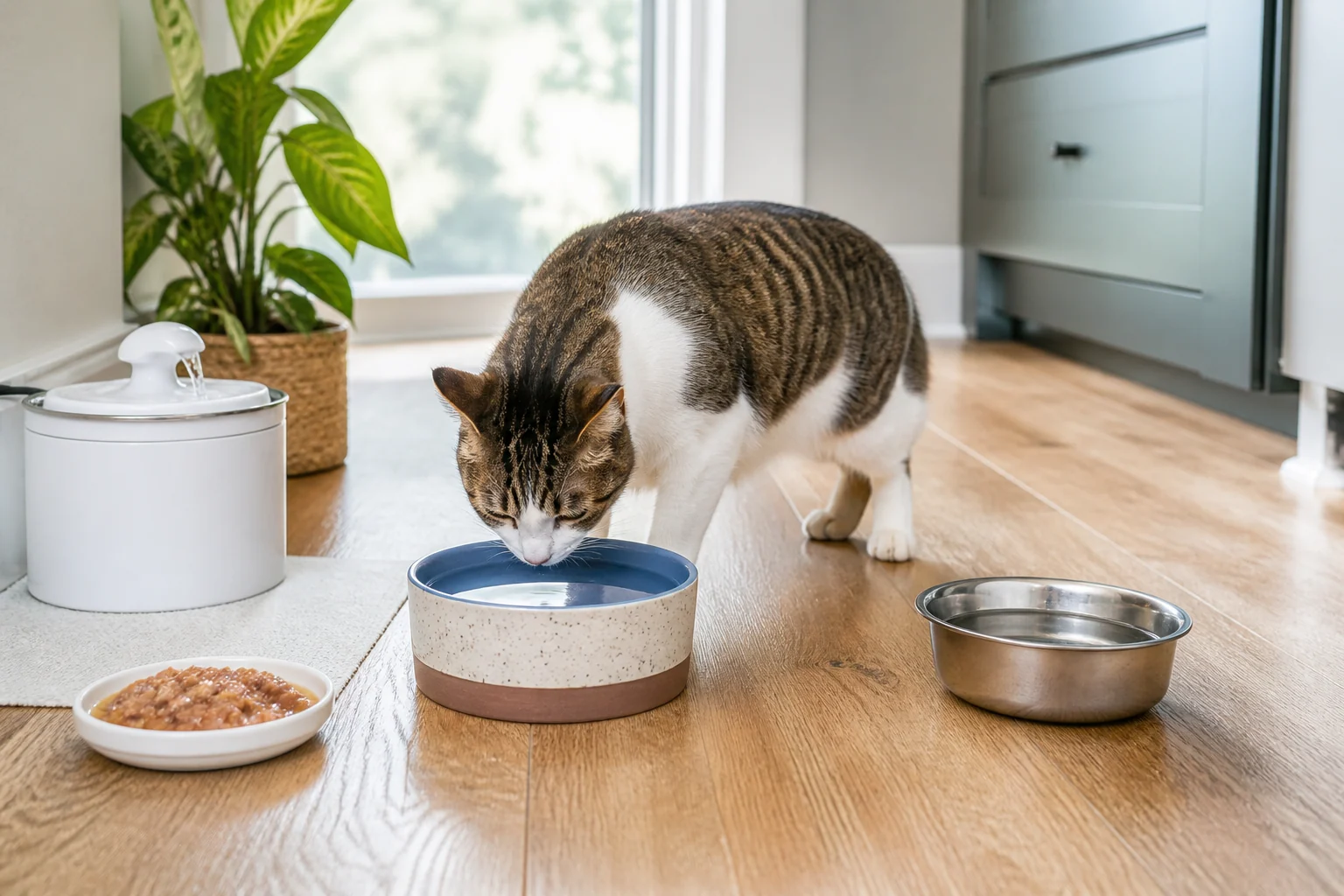
- A shallow, stable water bowl on a nonslip surface.
- A low ramp or broad step only if your cat insists on reaching your bed.
- A washable blanket that can be cleaned if stiffness or litter box timing changes.
- A soft brush if gentle grooming is part of your routine.
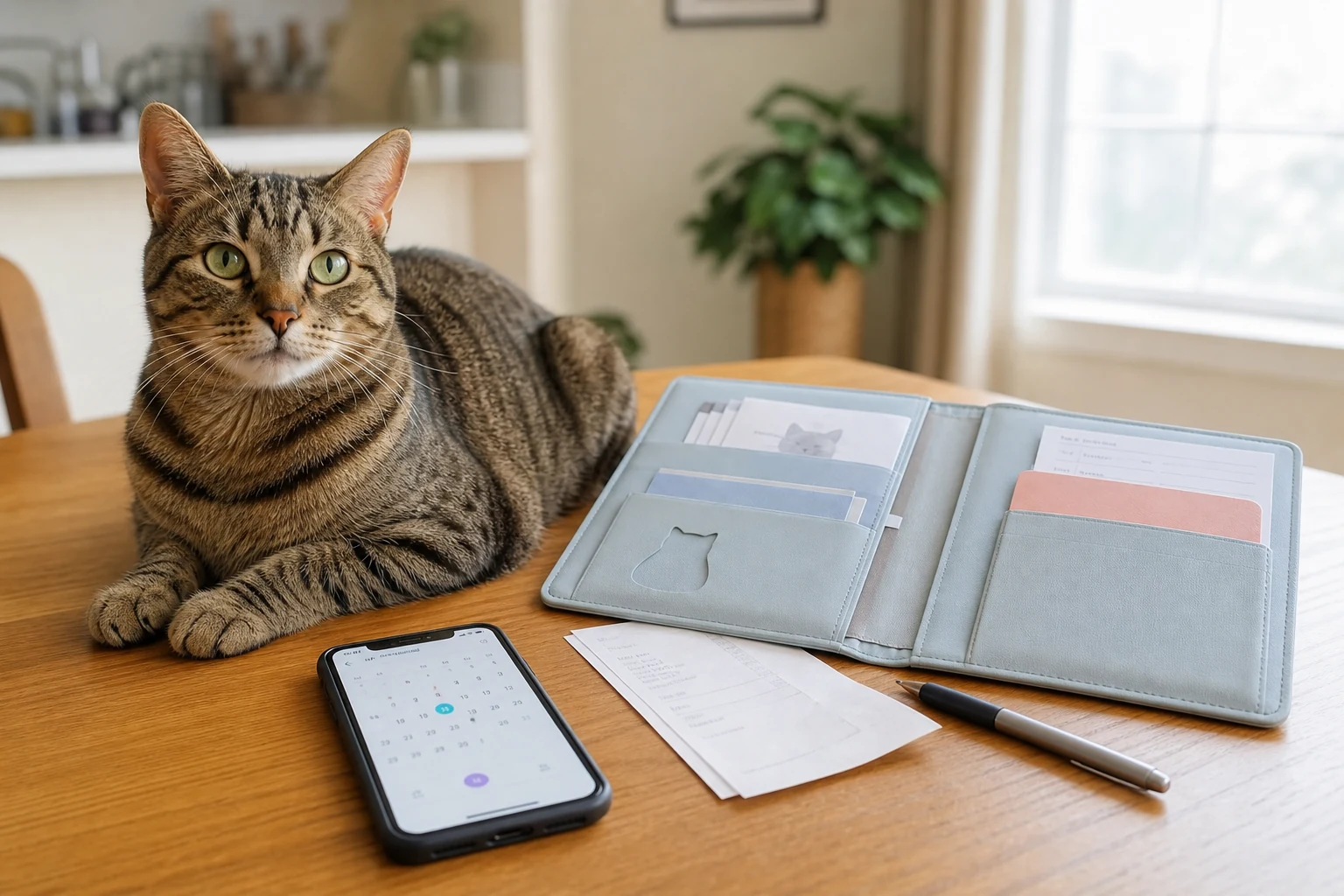
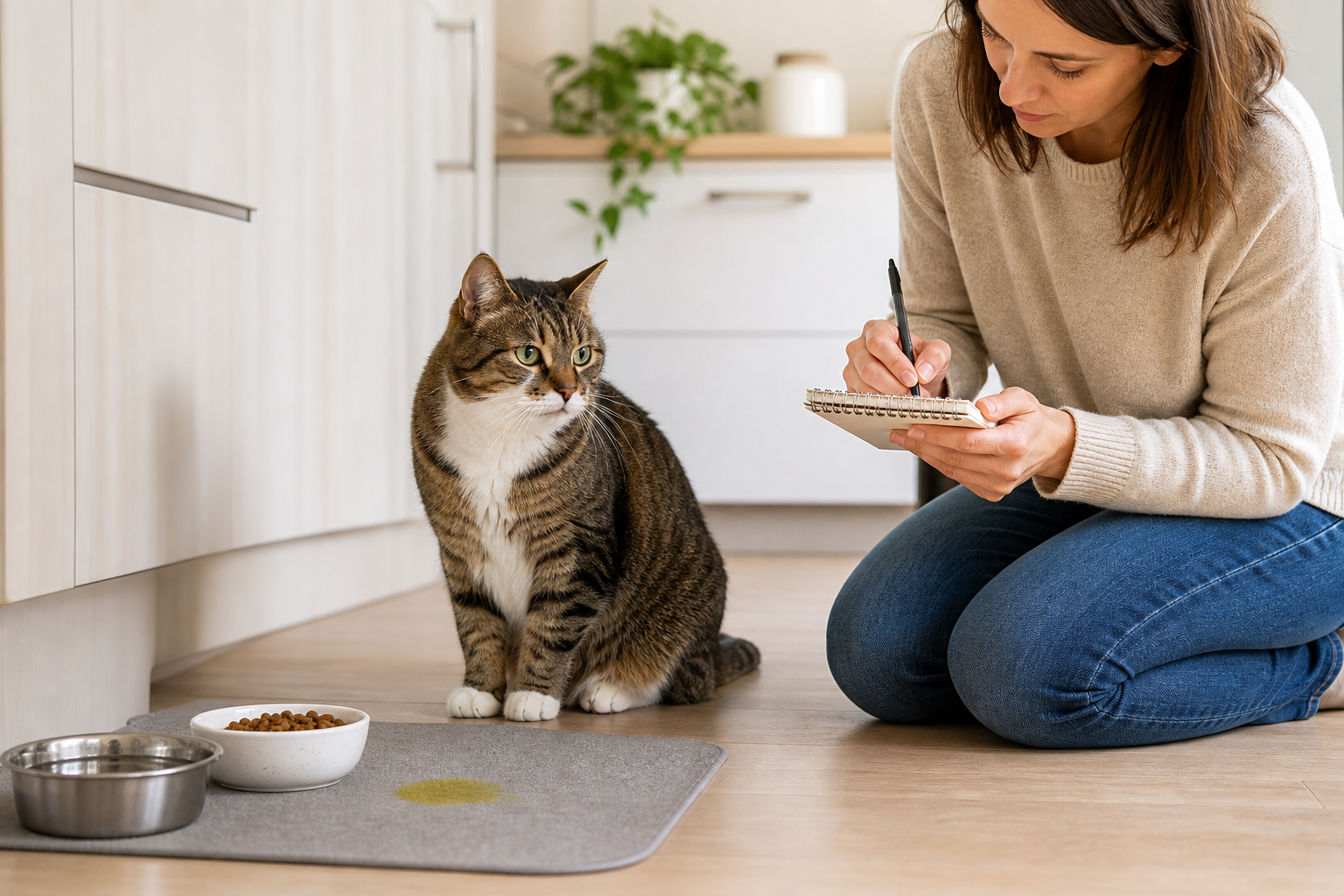
- A small notebook or phone note for appetite, mobility, toileting, and sleep changes.
Older cats may groom less effectively, which can contribute to mats and coat discomfort 1. If your cat has long fur, use the bedroom routine to check friction areas gently and read SnuggleSouls' guide to preventing mats in longhaired cats. Check claws too; Cornell notes that aging cats may have thicker, brittle, or overgrown claws 1. If needed, review how to trim cat nails safely or ask your veterinary team or groomer for help.
What bedroom clues suggest arthritis pain is getting worse?
Worsening arthritis pain may show up as avoidance, hesitation, missed jumps, irritability, or changes in sleeping and toileting habits. These signs do not prove arthritis by themselves, but they are worth tracking and discussing with your veterinarian.
A tener en cuenta:
- Sleeping on the floor after years of sleeping on the bed.
- Pausing before stepping into the cat bed.
- Choosing hard-to-hide places instead of usual comfortable spots.
- Stiffness after waking, especially at night or early morning.
- Missing the litter box, urinating near it, or avoiding a box with higher sides.
- Less grooming, matted fur, or a greasy coat.
- Flinching, growling, swatting, or moving away when touched.
- A tense face, squinting, flattened whiskers, or other cat pain clues.
If you are unsure whether a change fits arthritis, compare it with common Síntomas de artritis en gatos mayores. Call your veterinarian promptly if changes are new, worsening, or affecting eating, drinking, walking, or litter box use. Cornell specifically warns not to assume behavior or physical changes in an older cat are untreatable age changes 1.
Seek urgent veterinary help if your cat cannot walk, collapses, has trouble breathing, cannot urinate, cries in the litter box, has repeated vomiting, stops eating for 24 hours, has sudden severe weakness, or declines rapidly. Home setup can make life easier, but it cannot replace pain control, diagnosis, or treatment.
What should you avoid in an arthritis-friendly cat bedroom?
Avoid changes that look cozy to humans but make movement harder for a stiff cat. The safest room is usually quiet, predictable, and easy to cross.
Skip these common mistakes:
| Mistake | Why it can backfire | Better choice |
|---|---|---|
| Tall plush bed sides | The cat has to climb over them | Low entry with supportive padding |
| Loose throw rugs | They slide or bunch under paws | Rubber-backed rug runner |
| Bed only on human mattress | Requires jumping every time | Floor-level cat bed plus optional ramp |
| Food, water, and litter crowded together | Can feel dirty or stressful | Separate resources when space allows |
| Very bright motion lights | May startle a sleepy cat | Soft constant night light |
| Human pain medicine | Many are dangerous for cats | Vet-prescribed pain plan only |
Also avoid forcing exercise, stretching sore limbs, or repeatedly placing your cat in a bed they are avoiding. If your cat rejects the new setup, the bed may be too warm, too exposed, too soft, too close to noise, or simply in the wrong territory. Move one variable at a time so you can see what actually helps.
Conclusion: Make the easiest path the safest path
An arthritis-friendly senior cat bedroom is built around low effort: a low supportive bed, optional warmth, nonslip footing, water close by, and a clear night path to essential resources. The setup should make your cat's usual choices easier, not force a brand-new routine overnight.
Use the room as a daily observation point. If your cat sleeps differently, hesitates before moving, avoids the litter box, grooms less, or seems painful, bring those notes to your veterinarian. Small bedroom changes can protect comfort, but the best results come when home support and veterinary pain management work together.
Preguntas frecuentes
Should an arthritic senior cat sleep on my bed?
Only if your cat can get up and down without jumping or falling. If your cat still wants your bed, use a broad stable ramp or low steps with traction, but also offer a comfortable floor-level bed so the human bed is not the only good option.
Are heated beds safe for senior cats with arthritis?
They can be useful when they are pet-safe, used as directed, and optional. Your cat must be able to leave the warm area easily, and you should avoid any product that gets hot, has damaged cords, or is not designed for pets.
Where should I put water at night?
Place water close enough that your cat does not need a long stiff walk, but not directly beside the litter box. Use a stable shallow bowl on a nonslip mat, and keep the path softly lit if your cat drinks overnight.
What if my senior cat suddenly stops using the bedroom setup?
Treat a sudden change as information, not stubbornness. Pain, vision changes, anxiety, illness, heat, noise, or litter box access can all change where an older cat chooses to sleep, so track what changed and call your veterinarian if the pattern persists or comes with appetite, walking, or toileting changes.
Do bedroom changes replace arthritis medicine?
No. Bedroom changes reduce strain and improve comfort, but they do not treat joint disease or replace veterinary pain management. Never give human pain medicine to a cat unless your veterinarian specifically instructs you to use a particular medication and dose.
Referencias
[1] Cornell Feline Health Center. (2016). The Special Needs of the Senior Cat. Facultad de Veterinaria de la Universidad de Cornell
[2] Cornell Feline Health Center. (n.d.). Cuidados cariñosos para gatos mayores. Facultad de Veterinaria de la Universidad de Cornell
[3] AAFP and ISFM. (2013). Directrices sobre las necesidades ambientales de los gatos. Feline Veterinary Medical Association
[4] Ray, M., Carney, H. C., Boynton, B., Quimby, J., Robertson, S., St Denis, K., Tuzio, H., & Wright, B. (2021). 2021 Directrices de la AAFP para el cuidado de gatos mayores. Revista de Medicina y Cirugía Felina
[5] Zoetis Petcare. (n.d.). How to Make Your Arthritic Cat More Comfortable. Zoetis Petcare
 EN
EN DE
DE ES
ES PT
PT