
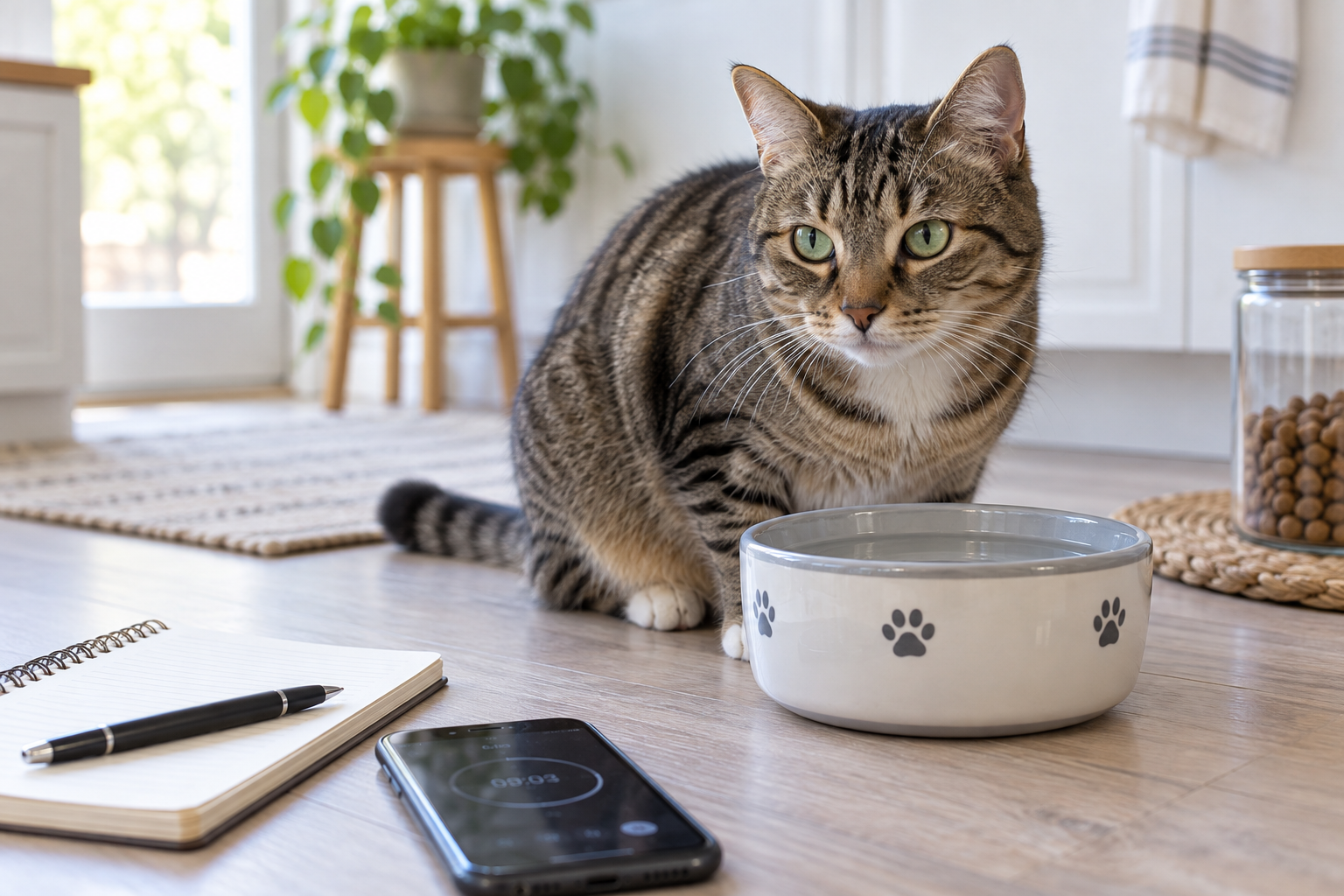
If your cat vomits after drinking water, first look at timing, effort, and how your cat acts afterward. A one-time episode right after gulping may be mild, but repeated vomiting, weakness, appetite loss, dehydration clues, blood, toxin risk, suspected string or foreign material, or major thirst and urination changes should prompt a veterinarian call.
Water is part of the clue, not the whole answer. Some cats bring up clear fluid after drinking too fast, while others are nauseated, dehydrated, or dealing with a health problem that makes them drink differently. This guide explains how to tell vomiting from regurgitation, when it becomes urgent, and what to record so your veterinarian can see the pattern clearly.
Índice
- Why can a cat vomit after drinking water?
- Is it vomiting or regurgitation after drinking?
- When is water vomiting urgent?
- What should you check at home first?
- How can you adjust water access safely?
- What drinking and vomiting details should you track?
- Could drinking more water point to another health problem?
- Conclusion: Use timing, hydration, and behavior together
- Preguntas frecuentes
- Referencias
Why can a cat vomit after drinking water?
A cat may vomit after drinking water because the stomach is irritated, the cat drank too much too quickly, or vomiting was already building and water happened to be the last thing swallowed. Vomiting is not a diagnosis by itself. Cornell lists many possible causes in cats, including hairballs, spoiled food, toxic substances, string or foreign objects, parasites, digestive disease, diabetes, kidney disease, and hyperthyroidism 1.
The pattern matters more than the puddle. Clear fluid right after a long drink can look less alarming than food or bile, but repeated clear-fluid vomiting can still lead to dehydration or signal illness. Merck notes that vomiting can involve food or fluids from the stomach and upper small intestine, and severe or long-term vomiting may be associated with dehydration and electrolyte imbalance 2.
Common patterns include:
| Lo que se nota | Qué puede significar | Un siguiente paso más seguro |
|---|---|---|
| One clear-fluid episode right after a fast drink, cat bright afterward | Drinking speed or mild stomach upset may be possible | Monitor closely and record timing |
| Fluid comes up with little warning after eating or drinking | Regurgitation may be possible | Compare with body effort and timing |
| Water comes up after retching, drooling, lip licking, or crouching | More consistent with vomiting | Watch for red flags and call if repeated |
| Vomiting plus thirst or urination changes | Possible systemic issue, including kidney or endocrine disease | Póngase en contacto con su veterinario |
| Vomiting after possible toxin, plant, string, toy, or medication access | Posible emergencia | Seek veterinary or poison-control guidance now |
If the pattern is not tightly linked to water, step back and review the broader causes in SnuggleSouls' guide to why cats vomit.
Is it vomiting or regurgitation after drinking?
Vomiting is active. You may see nausea, drooling, repeated swallowing, retching, abdominal effort, or forceful expulsion before fluid comes up. Merck describes vomiting as forceful ejection from the stomach or upper small intestine and notes that it is normally preceded by signs such as salivation, swallowing, retching, and abdominal contractions 2.
Regurgitation is more passive. VCA explains that regurgitation usually happens quickly, without abdominal contractions, and can occur immediately after eating or drinking 3. If your cat lowers their head and fluid simply comes up, that looks different from heaving and retching.
Use this quick comparison:
| Clue | More like regurgitation | More like vomiting |
|---|---|---|
| Calendario | Immediately or soon after eating or drinking | Can happen soon after drinking or later |
| Effort | Passive, sudden, little body effort | Retching, heaving, nausea signs |
| Material | Clear fluid, undigested food, or tube-shaped food | Fluid, foam, food, bile, hair, or blood |
| Qué hacer | Record and ask your vet if repeated | Treat repeated episodes or illness signs seriously |
A video can help your veterinarian. Do not delay urgent care to capture one, but if your cat is stable and the pattern repeats, a short clip may clarify whether you are seeing vomiting, coughing, gagging, or regurgitation. SnuggleSouls also has a dedicated guide to regurgitation vs vomiting.
When is water vomiting urgent?
Water vomiting becomes urgent when it repeats, your cat cannot keep water down, or any whole-body warning sign appears. VCA recommends immediate veterinary care when vomiting occurs with signs such as fever, lethargy, appetite loss, abdominal pain, diarrhea, dehydration, blood, or suspected ingestion of a foreign object or toxic substance 3.
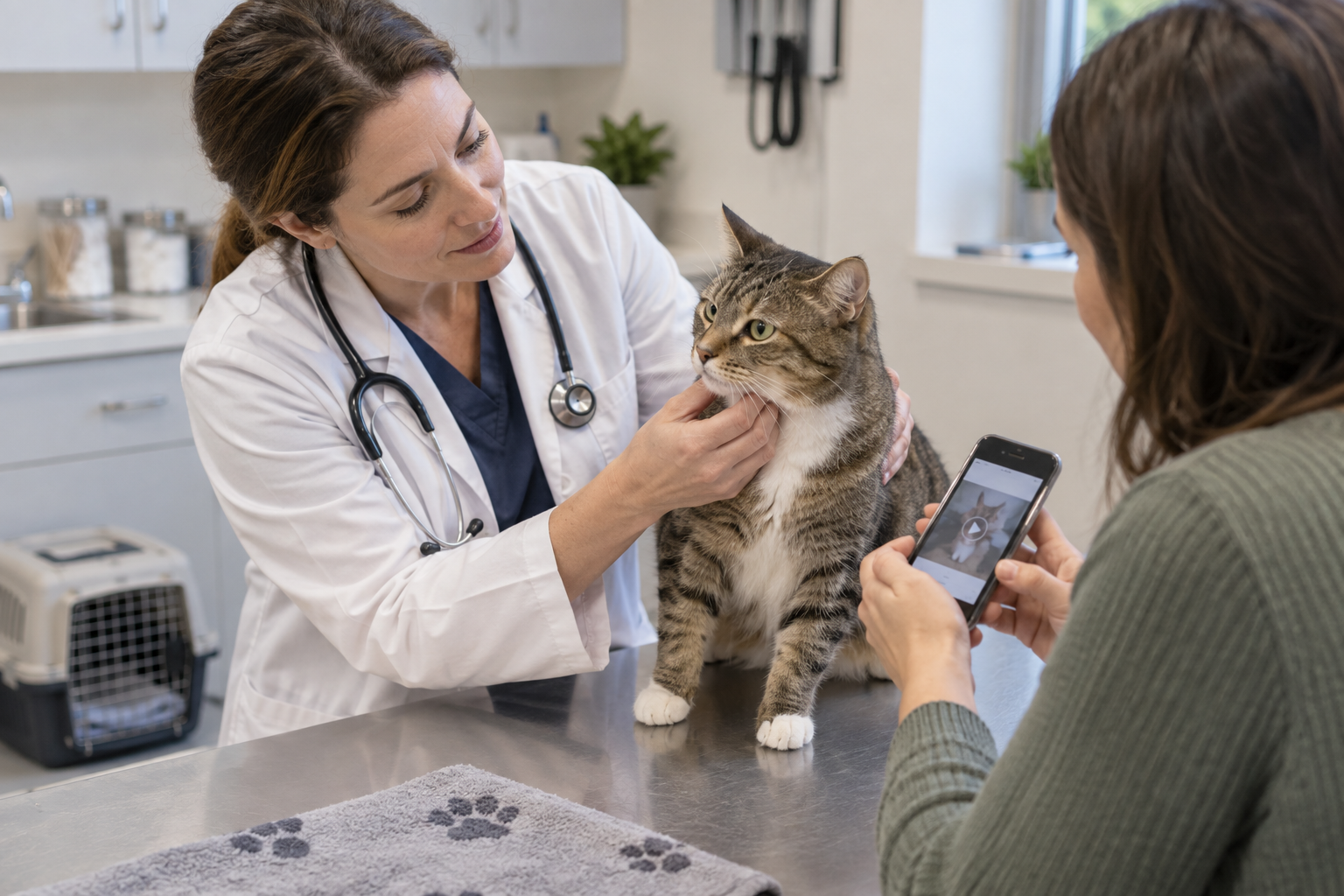
Repeated vomiting after drinking, dehydration clues, suspected toxins, foreign objects, or illness signs should be discussed with a veterinarian promptly.
Seek urgent veterinary care now if your cat has:
- Repeated vomiting or retching.
- Vomiting plus weakness, collapse, trouble breathing, seizures, or rapid decline.
- Blood, dark coffee-ground material, string, plant pieces, medication, or unusual objects in vomit.
- Suspected access to lilies, toxic plants, human medication, cleaners, chemicals, pest products, string, ribbon, thread, rubber bands, hair ties, or small toys.
- A painful or swollen belly, severe drooling, or obvious distress.
- Diarrhea, black stool, severe dehydration clues, or refusal to eat.
- Straining to urinate, repeated litter box trips with little urine, or crying in the litter box.
- Known kidney disease, diabetes, hyperthyroidism, urinary problems, or another chronic illness.
If poisoning is possible, contact your veterinarian, an emergency clinic, or ASPCA Poison Control right away. ASPCA Poison Control is available 24/7 for animal poison emergencies 5. Do not try to make your cat vomit at home unless a veterinary professional specifically tells you to do so.
What should you check at home first?
If your cat had one mild episode and now seems normal, check the setup and the timeline before changing everything. The goal is to understand what happened, not to prove that water was the only cause.
Ask:
- Did your cat gulp a large amount of water after play, a long nap, dry food, or a salty treat?
- Did the fluid come up immediately, or was there a delay?
- Was there abdominal effort, retching, lip licking, drooling, or hiding?
- Did the vomit contain food, foam, yellow liquid, hair, blood, plant material, or string?
- Has appetite, thirst, urination, stool, weight, energy, or behavior changed?
- Did your cat eat too fast before drinking? If yes, compare the pattern with cat vomiting after eating too fast.
- Has the water bowl, fountain, food, medication, supplement, cleaning product, or room location changed?
The appearance of the fluid can add context, but do not overread it. Clear liquid may be water and stomach fluid. White foam may mean repeated nausea or an empty stomach pattern, which is covered in SnuggleSouls' cat vomiting white foam guide. Yellow fluid may involve bile or meal timing, which is covered in the guide to cat vomiting yellow liquid.
How can you adjust water access safely?
Do not remove water because your cat vomited after drinking. Merck warns that withholding water can worsen dehydration and other internal abnormalities in vomiting cats unless a veterinarian is providing fluids and directing the plan 2. Fresh water should remain available unless your veterinarian gives a specific instruction for your cat.
Safer adjustments focus on access, pace, and observation:
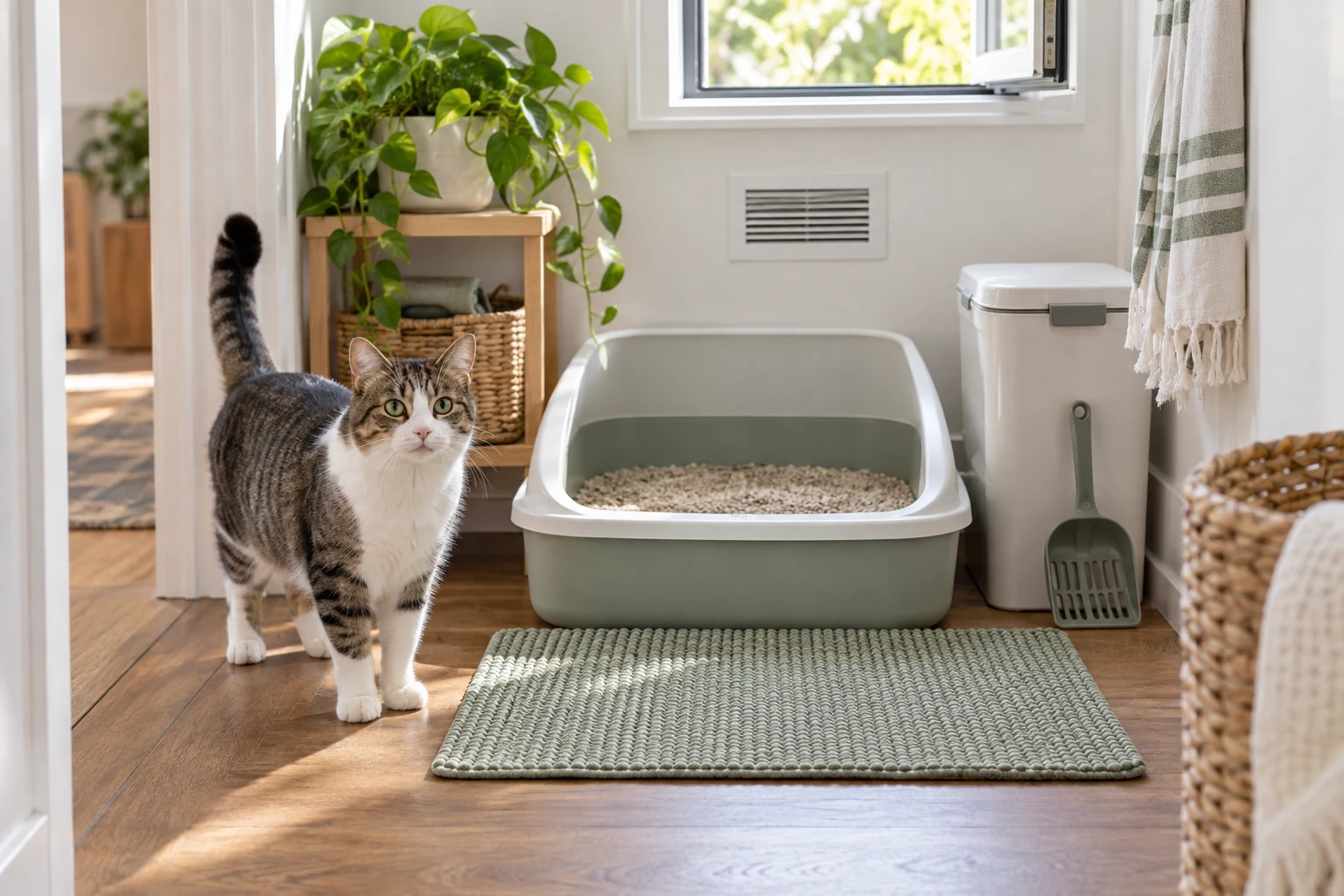
- Keep clean water available in a stable bowl.
- Offer a second bowl away from busy areas if your cat seems to rush.
- Clean fountains and bowls regularly so water stays appealing.
- Use a wide, shallow bowl if deep sides make drinking awkward.
- Keep water away from litter boxes when space allows.
- Separate pets if one animal crowds the water station.
- Avoid forcing water, syringing water, or adding broths, supplements, or flavorings without veterinary approval.
If your cat has urinary problems, kidney concerns, or a veterinarian has told you to support hydration, do not improvise after vomiting. Follow the medical plan and ask your clinic what to do if water triggers more vomiting. SnuggleSouls' guide to encourage a cat to drink more after urinary problems can help with routine setup ideas once urgent illness has been ruled out.
What drinking and vomiting details should you track?
Track the pattern in plain notes. VCA explains that veterinarians use history, physical exam findings, and tests such as bloodwork, urine tests, X-rays, ultrasound, or other diagnostics when vomiting is associated with concerning signs 3. A simple log helps your veterinarian decide what questions to ask first.
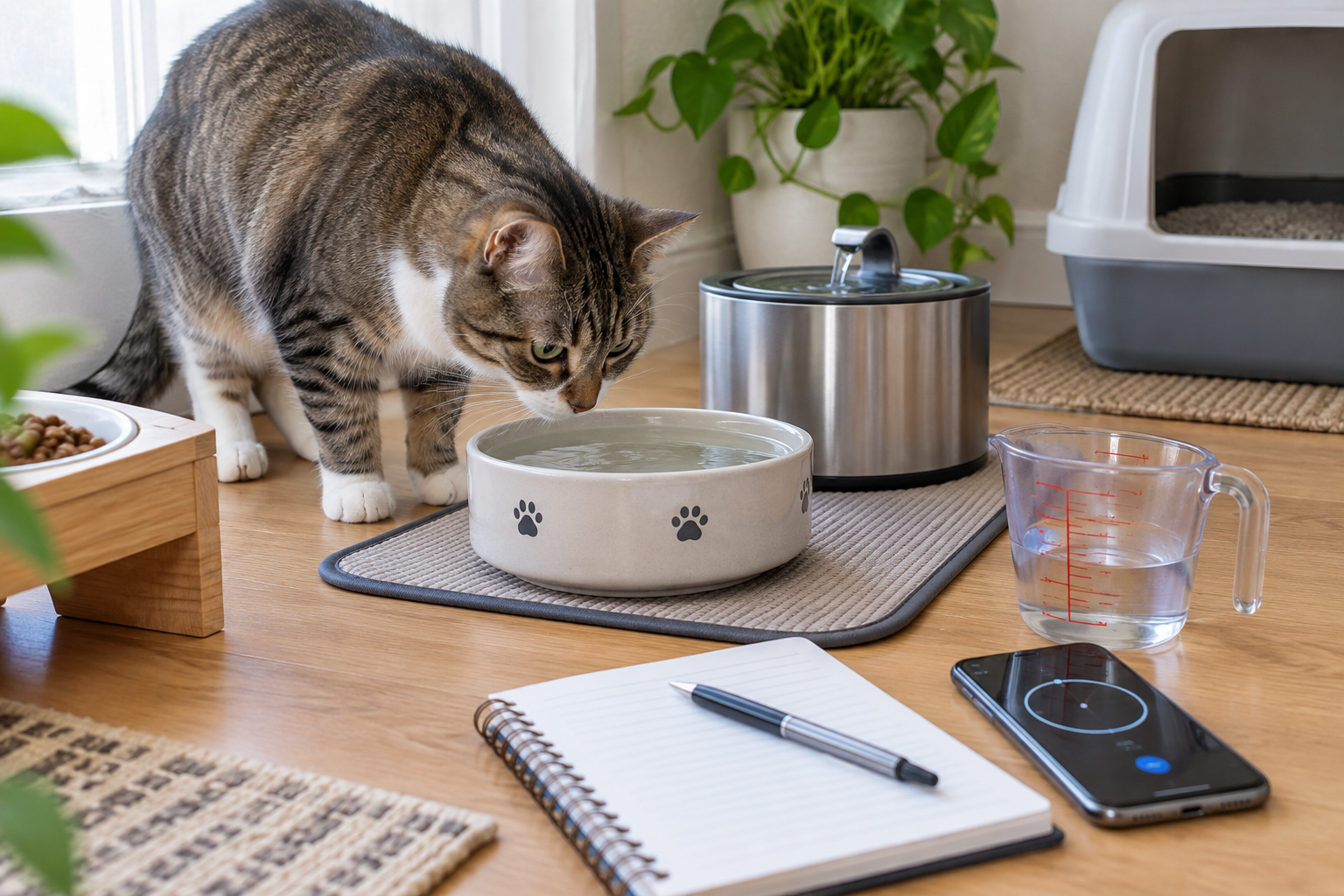
A water-and-symptom log helps separate a one-time gulping episode from a pattern that needs veterinary attention.
Write down:
- Date and time of each drinking episode you notice.
- Approximate amount: a few laps, normal drink, long drink, or repeated trips.
- Time between drinking and fluid coming up.
- Whether there was retching, belly effort, drooling, lip licking, coughing, or gagging.
- What came up: clear fluid, foam, food, yellow liquid, hair, blood, plant material, string, or unknown material.
- Appetite and whether food stays down.
- Urination changes: bigger clumps, smaller clumps, accidents, no urine, or straining.
- Stool changes, diarrhea, constipation, or black stool.
- Energy, hiding, pain signs, weight change, thirst change, and breathing.
- Any possible access to plants, medication, cleaners, trash, toys, string, ribbons, or spoiled food.
Do not wait to call if your cat has red flags. The log is for pattern clarity, not a reason to delay care.
Could drinking more water point to another health problem?
Yes. A cat who is suddenly drinking more water and vomiting may be showing more than a stomach upset pattern. Cornell explains that in chronic kidney disease, cats may urinate larger volumes and drink more water as kidney concentrating ability declines 4. Cornell also lists kidney disease, diabetes, and hyperthyroidism among possible causes associated with vomiting in cats 1.
Call your veterinarian if increased drinking appears with:
| Pista añadida | Por qué es importante |
|---|---|
| Larger urine clumps or more litter box visits | Can point to urinary, kidney, endocrine, or hydration changes |
| Weight loss despite eating | Needs veterinary testing, especially in adult or senior cats |
| Reduced appetite, nausea, or repeated vomiting | Can signal illness beyond drinking speed |
| Bad breath, poor coat, weakness, or hiding | May reflect systemic disease or dehydration |
| Drinking more at night | Worth tracking, especially in senior cats |
For older cats, pair your notes with the SnuggleSouls guide to senior cat water at night. A better water station can help access, but a new thirst pattern still deserves medical attention.
Conclusion: Use timing, hydration, and behavior together
Cat vomiting after drinking water is sometimes a one-time gulping or regurgitation event, but repeated episodes should not be brushed off as "just water." Watch the effort, timing, frequency, hydration clues, appetite, urination, stool, energy, and possible exposure to toxins or foreign material.
Keep water available unless your veterinarian tells you otherwise, avoid unsafe home remedies, and call promptly if vomiting repeats or your cat seems unwell. For related symptom guides, visit the SnuggleSouls Guías sobre la salud de los gatos.
Preguntas frecuentes
Why does my cat throw up clear liquid after drinking water?
Clear liquid after drinking may be water mixed with stomach fluid, especially if your cat drank quickly. It can also happen with vomiting, regurgitation, nausea, obstruction, toxin exposure, or illness. Call your veterinarian if it repeats or comes with appetite, behavior, stool, or urination changes.
Is it normal for cats to vomit after drinking too fast?
It can happen, but repeated vomiting is not something to label normal. A one-time episode in a bright cat may be monitored closely, while repeated episodes, dehydration clues, blood, lethargy, appetite loss, pain, or toxin risk should prompt veterinary care.
Should I take away water if my cat vomits after drinking?
No, not unless your veterinarian gives that instruction. Vomiting cats can become dehydrated, and Merck warns that withholding water can worsen internal abnormalities in vomiting cats when it is not part of a veterinary fluid plan 2.
Why does my cat drink a lot of water and then vomit?
Some cats gulp when very thirsty, stressed, hot, or eating dry food, but increased thirst plus vomiting can also point to illness. Kidney disease, diabetes, hyperthyroidism, digestive disease, toxins, and other problems may be involved, so call your veterinarian if the pattern is new or recurring.
When should I go to the emergency vet for water vomiting?
Go now for repeated vomiting, inability to keep water down, weakness, collapse, breathing trouble, seizures, blood, severe pain, suspected toxin exposure, suspected string or foreign-object ingestion, blocked urination signs, or rapid decline. Kittens, seniors, and cats with chronic disease should be checked sooner.
Referencias
[1] Cornell Feline Health Center. (2021). Vómitos. Facultad de Veterinaria de la Universidad de Cornell
[2] Merck Veterinary Manual. (2024). Vomiting in Cats. Manual veterinario Merck
[3] Hospitales veterinarios VCA. (2026). Vomiting in Cats. VCA Animal Hospitals
[4] Cornell Feline Health Center. (2025). Enfermedad renal crónica. Facultad de Veterinaria de la Universidad de Cornell
[5] ASPCA Animal Poison Control Center. (2026). ASPCA Poison Control. ASPCA
 EN
EN DE
DE ES
ES PT
PT