

If your cat is following a veterinarian-guided weight-loss plan, keep a dated record that connects each weigh-in to the plan in effect at that time. Bring the trend, the written instructions, and any requested food notes to rechecks. Ask the veterinary team to confirm the next step before changing food or portions. 1 2
This guide focuses on the handoff between weigh-ins and veterinary rechecks: what changed, what was difficult to follow, and what decision you need clarified. It does not set a calorie target or tell you how quickly an individual cat should lose weight.
What should you connect in a weight-loss record?
A useful recheck record shows both the measurement and the plan that was active around it. If the plan changed, note when the new instructions began; otherwise, a graph alone may not show which part of the timeline the veterinary team is reviewing.
| Record | What to note |
|---|---|
| Weigh-in | Date, weight and unit, scale or method, and whether it was measured at home or at the clinic |
| Body and muscle condition | BCS and MCS recorded by the veterinary team at visits; label an owner estimate as an estimate |
| Plan version | Date the clinic gave or changed instructions, what changed, and the next check-in date |
| Food and activity notes, if requested | Food name and amount offered, treats or other food, who feeds the cat, medication given with food, and relevant routine or activity changes. 2 3 |
| Changes to report | Appetite, vomiting, stool, thirst, energy, or anything that made the plan difficult to follow |
AAHA’s nutritional-assessment guidance includes body weight, body-condition score, muscle-condition score, nutrition history, environment, and activity. It also includes treats, table food, supplements, and foods used with medication in that history. Record what happened; let your veterinary team decide what it means. 4
How should you prepare your records for a recheck?
Make a short handoff for the period since the last visit. Attach the weight history, then add the plan version and any requested food or activity notes. Mark missed weigh-ins, changed methods, and barriers rather than filling gaps with estimates.
A simple summary can look like this:
- Last veterinary check-in: date and the plan you left with
- Plan changes since then: what changed and when each instruction began
- Measurements: printed or exported dated history, including home or clinic method
- What was hard to follow: appetite, household feeding routines, equipment, schedule, or another barrier
- Questions for this visit: decisions you want the veterinary team to clarify
The Cat Weight & Body Condition Tracker can print or export the selected cat’s history, graph, and notes. It records measurements and context; it does not set a weight-loss plan or send records to your veterinary clinic. Bring the report yourself, and keep a separate food diary if your veterinarian requests one. 1
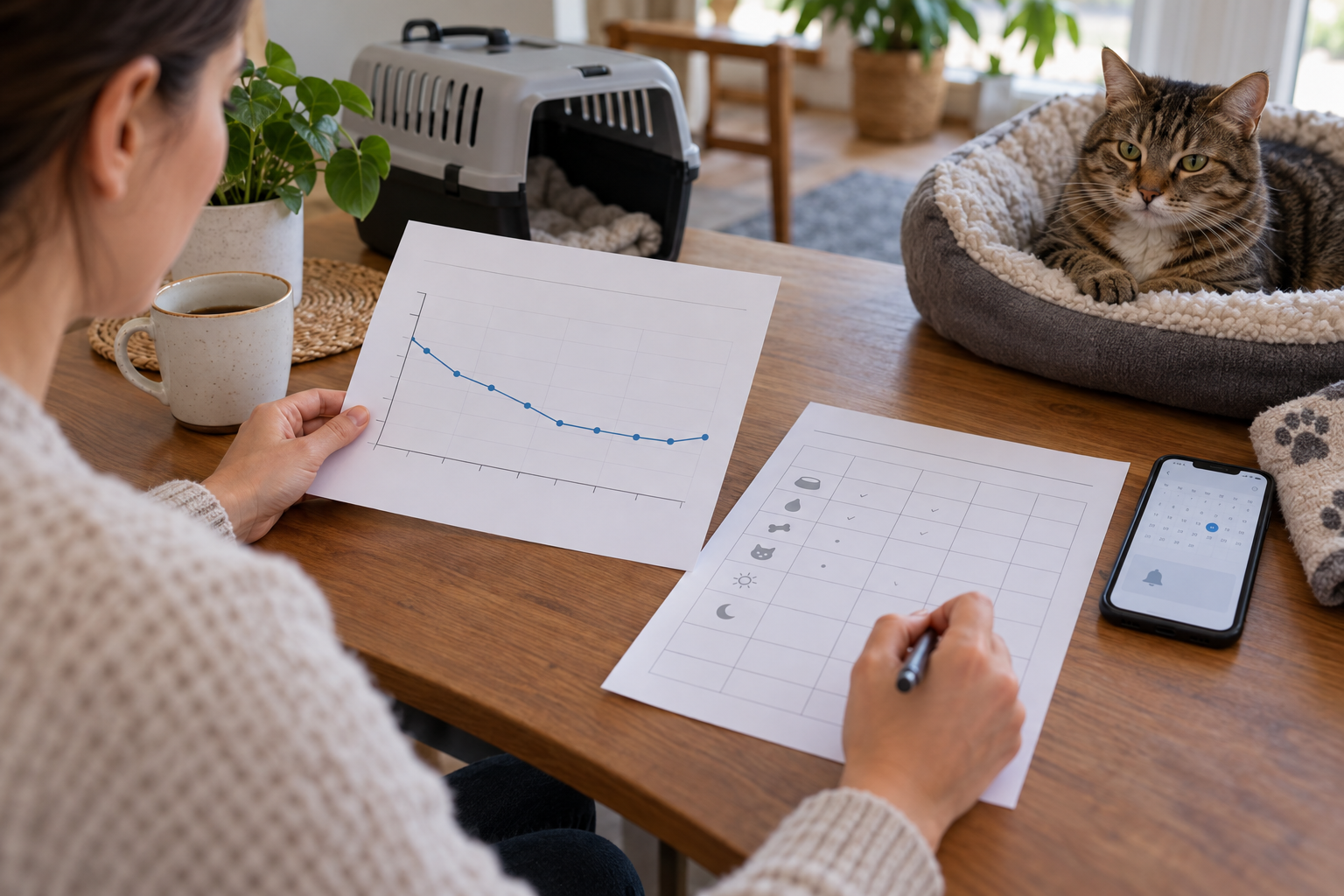
If you take readings at home, use how to weigh your cat at home to choose a consistent method. If the readings do not line up, how to interpret a changing weight record explains what to check before treating them as a trend. 2
A scale for the home weight log
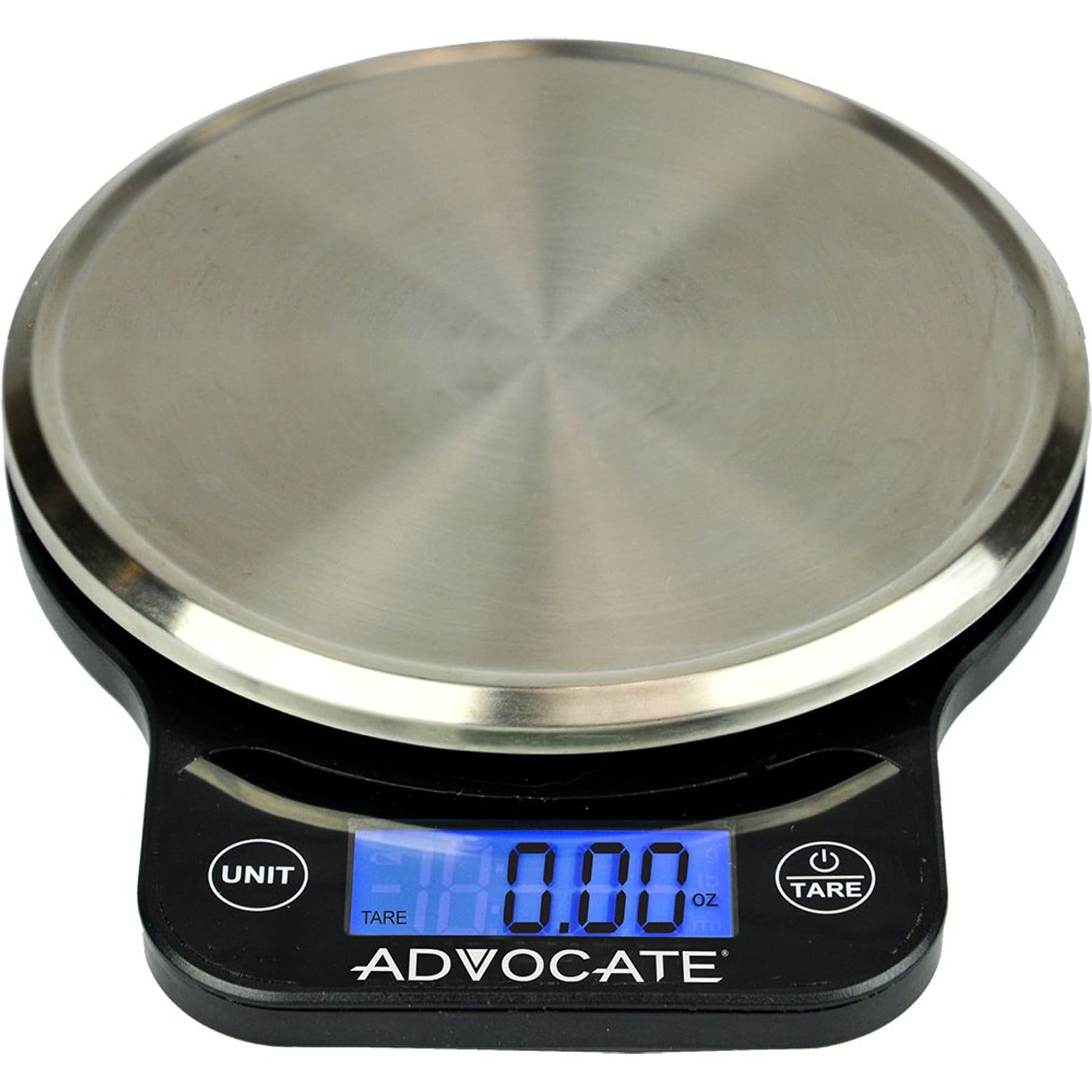
A pet scale can support a dated weight log between appointments. Use the same method each time and bring the readings to your veterinarian; do not delay a visit to collect more data.
Advocate
Advocate Universal Digital Household Scale
Advocate Universal Digital Household Scale; For precise everyday measurements, try the Advocate Universal Digital Household Scale. This portable scale is great for measuring your…
$32.95
Shop ChewyWe may earn a commission if you buy through this Chewy link, at no extra cost to you. Product details and prices can change.
What should you ask your veterinarian?
Ask the team to write down the next step in terms you can follow at home. Try to leave knowing what to record, when to check again, and who to contact if something changes.
- What weight and body-condition changes are we monitoring for my cat?
- Which scale and method should I use, and what interval do you want?
- Should I keep a daily food, treat, medication, or activity diary before the next visit?
- If progress slows or the weight changes faster than expected, when should I call rather than wait?
- What should I do if I cannot follow part of the plan or my cat’s appetite changes?
AAHA’s public weight-management guidance describes checking weight and body condition every two weeks during a plan. That is an example from its guidance, not a schedule to apply to every cat; use the interval your veterinary team sets. For more context on different situations, see how often to weigh your cat. 1
What if progress stalls or the number changes unexpectedly?
Do not lower food portions or alter a prescribed plan because of one weigh-in or advice from a forum. First check whether the measurements used the same method, then ask your veterinary team to review the trend and plan. VCA advises discussing a slowdown or plateau with the veterinary team, which can decide whether the plan needs adjustment. 2
Recent owner discussions ask whether to reduce calories further when progress stops and how long a plateau can last. Those posts confirm the question is real, but they cannot tell another cat’s safe intake or explain an individual plateau. 5 6
Call sooner if your cat’s appetite drops, your cat seems unwell, or the observed change differs sharply from the plan your veterinarian gave you. Do not wait for the next scheduled weigh-in to report a concerning change.
Conclusion
A useful weight-loss handoff connects each measurement to its date, method, and the plan that was in effect. Bring the history and any requested food notes to rechecks, and leave with the next step written down. If progress stalls, ask your veterinary team to review the record before changing the plan.
Frequently Asked Questions
How often should I weigh my cat during a weight-loss plan?
Use the schedule your veterinarian sets for your cat. AAHA’s public guidance gives a two-week check as an example, but an individual plan may need a different interval. 1
What should I bring to a cat weight-loss recheck?
Bring dated weights with the scale or method noted, the current written plan, and any food or activity diary your clinic requested. Mention missed checks, appetite changes, and anything that made the plan hard to follow.
Should I reduce my cat’s calories if weight loss stops?
Ask your veterinary team to review the record and plan before changing portions. A plateau can have more than one explanation, and a home log alone cannot determine the correct adjustment. 2
Does the SnuggleSouls tracker calculate how much my cat should lose?
No. It records and displays measurements and notes; it does not set a goal weight, calorie allowance, or safe loss rate. Ask your veterinarian to set and explain those parts of the plan.
References
[1] American Animal Hospital Association. (2024). Feline Fitness: How to Help Your Cat Lose Weight. Source
[2] VCA Animal Hospitals. (2026). Tips for Successful Weight Loss in Dogs and Cats. Source
[3] VCA Animal Hospitals. (2020). Weight Management Tracker for Cats. Source
[4] American Animal Hospital Association. (2021). Screening Evaluation, 2021 Nutrition and Weight Management Guidelines. Source
[5] Reddit owner discussion, r/cats. (2026). Cat weight loss advice. Discussion
[6] Reddit owner discussion, r/dechonkers. (2026). How long did it take your cat to lose weight? Is hitting plateaus normal?. Discussion