Behavior Decoding
Why is your cat acting out? We analyze the root causes of scratching, night crying, and aggression.
- Root cause analysis
- Emotional triggers
- Litter box issues

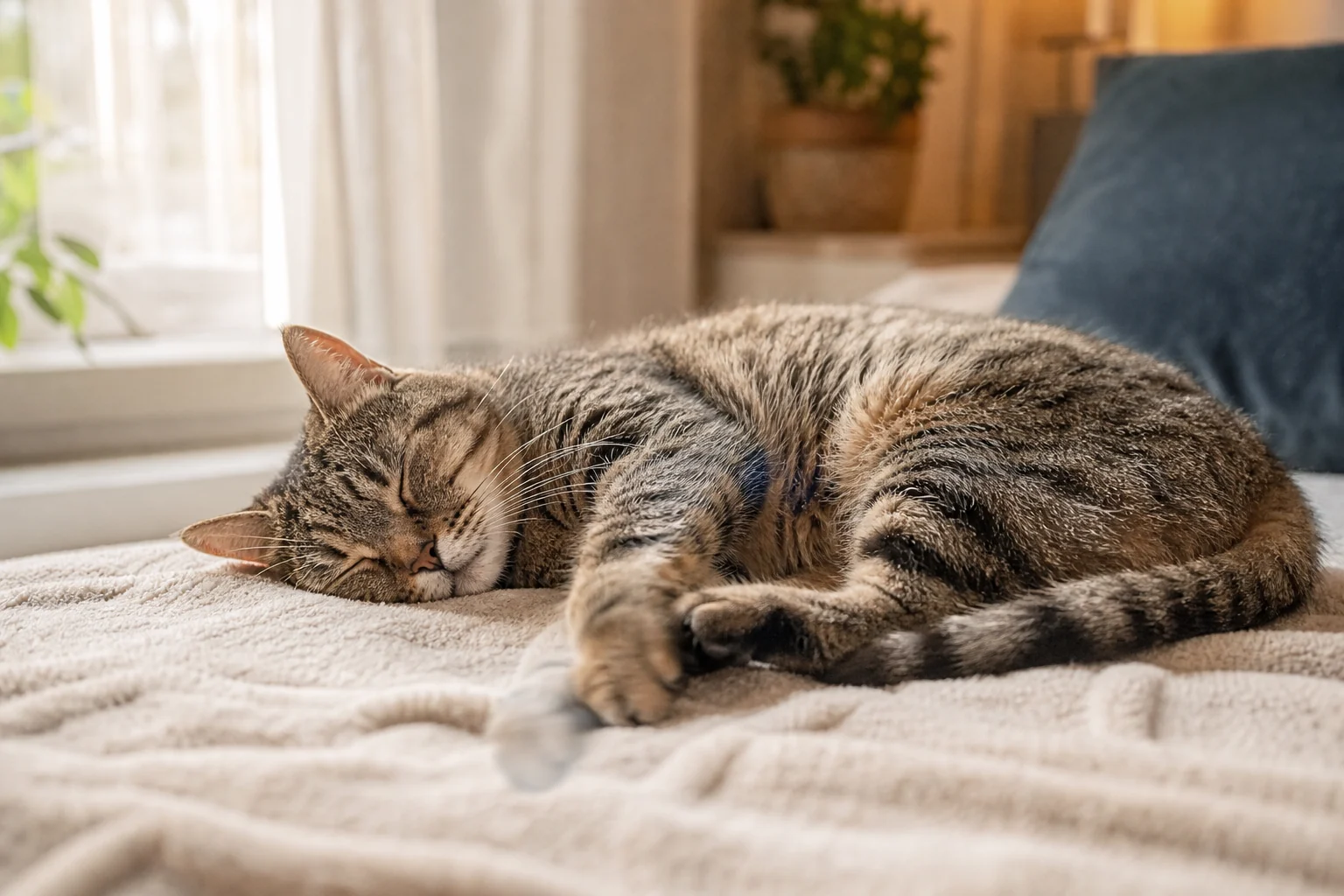

Brief paw, whisker, or ear twitches can happen during cat sleep, but movement alone cannot rule out a seizure. Learn what to record and when to call a vet.
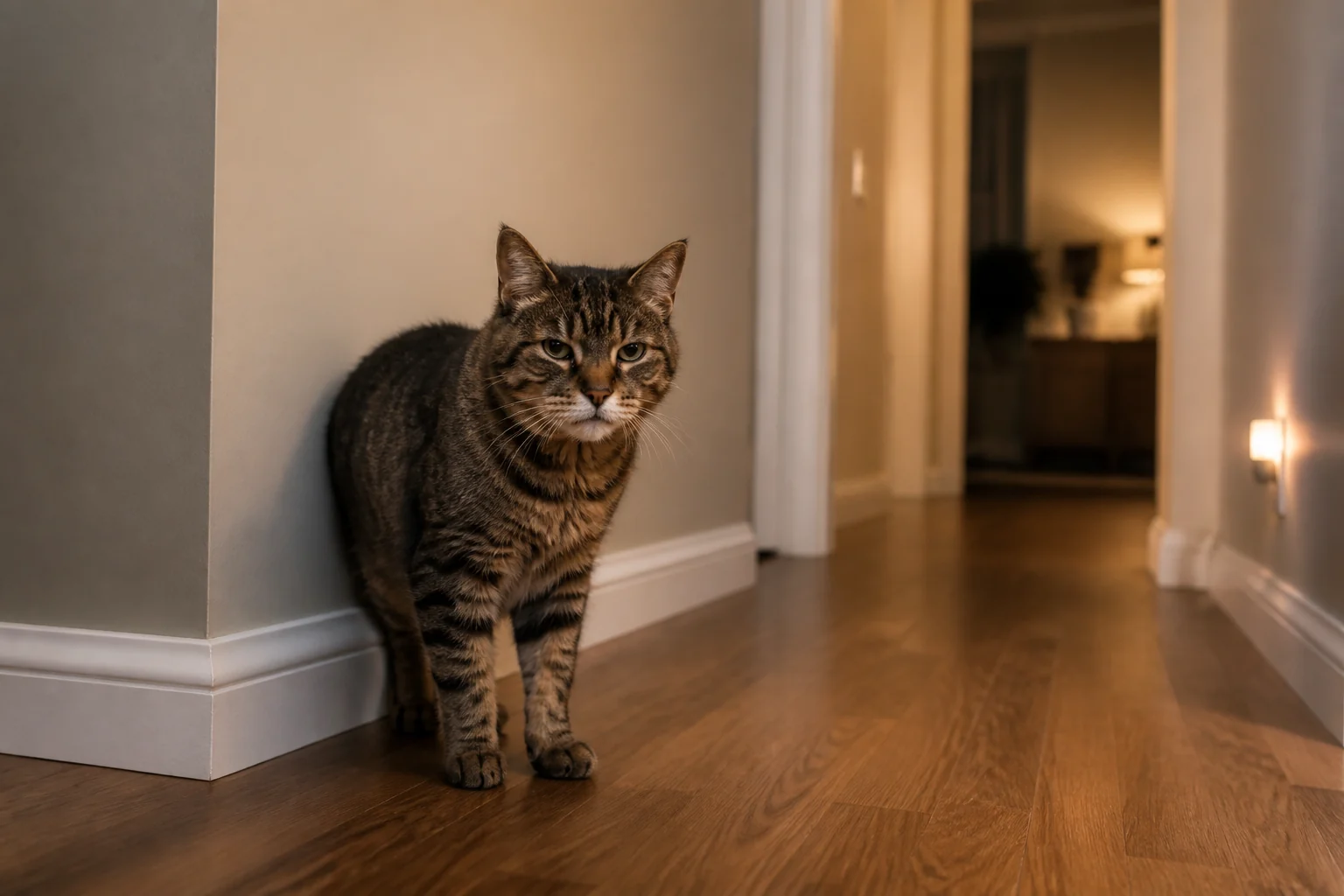
If your senior cat gets stuck in corners, treat it as a behavior change worth tracking, not as a quirky habit to ignore. An older cat may pause in a corner.
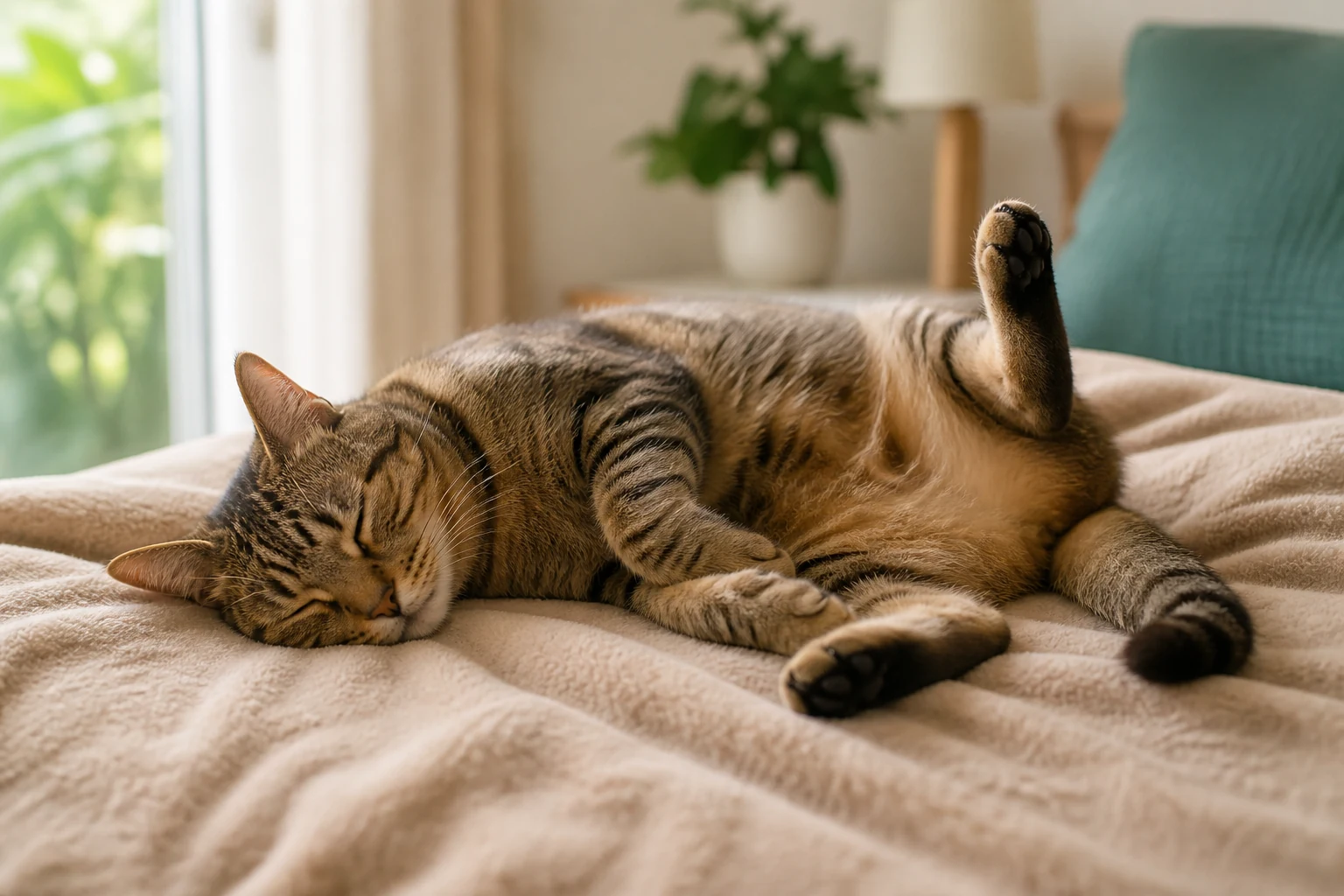
Brief kicks during sleep can be normal, but movement alone cannot rule out a seizure. Learn what to record, when to call your vet, and what needs emergency care.
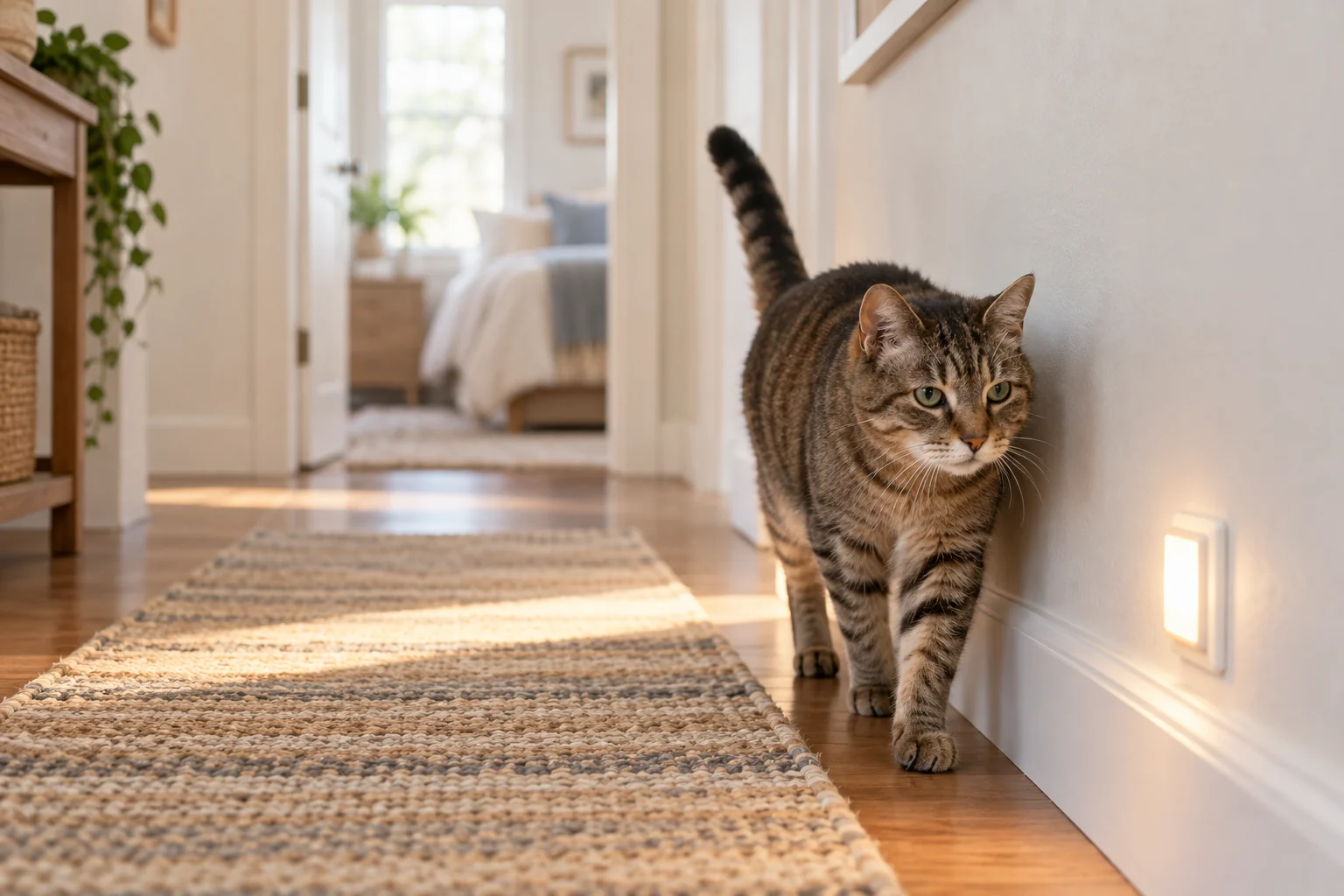
Senior cats may follow walls for a familiar route, but vision, mobility, or health changes can also play a role. Learn what to watch and when to call a vet.
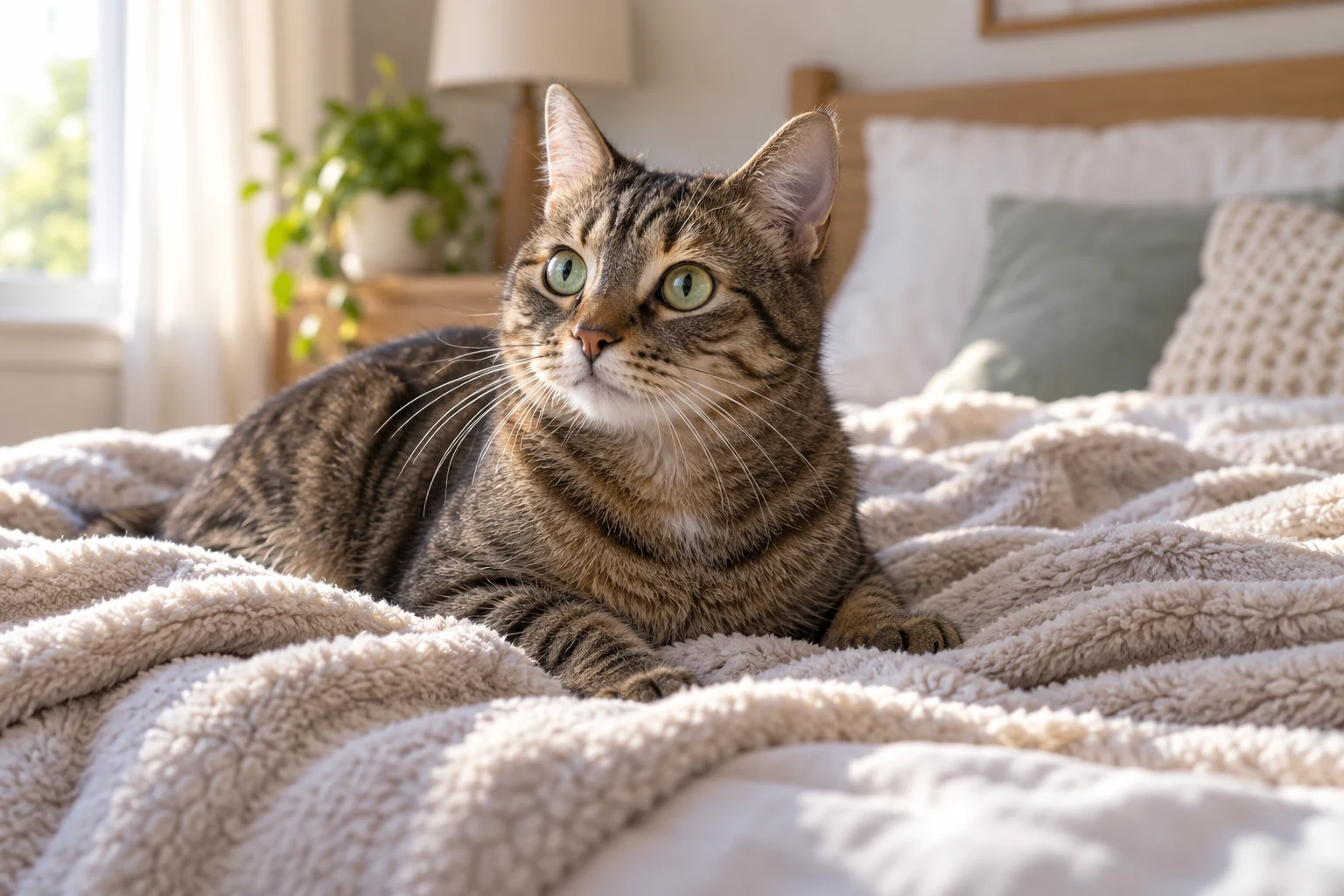
A brief jerk can follow a sound, touch, or sleep movement. Learn what to record, which signs need urgent care, and when to contact your veterinarian.
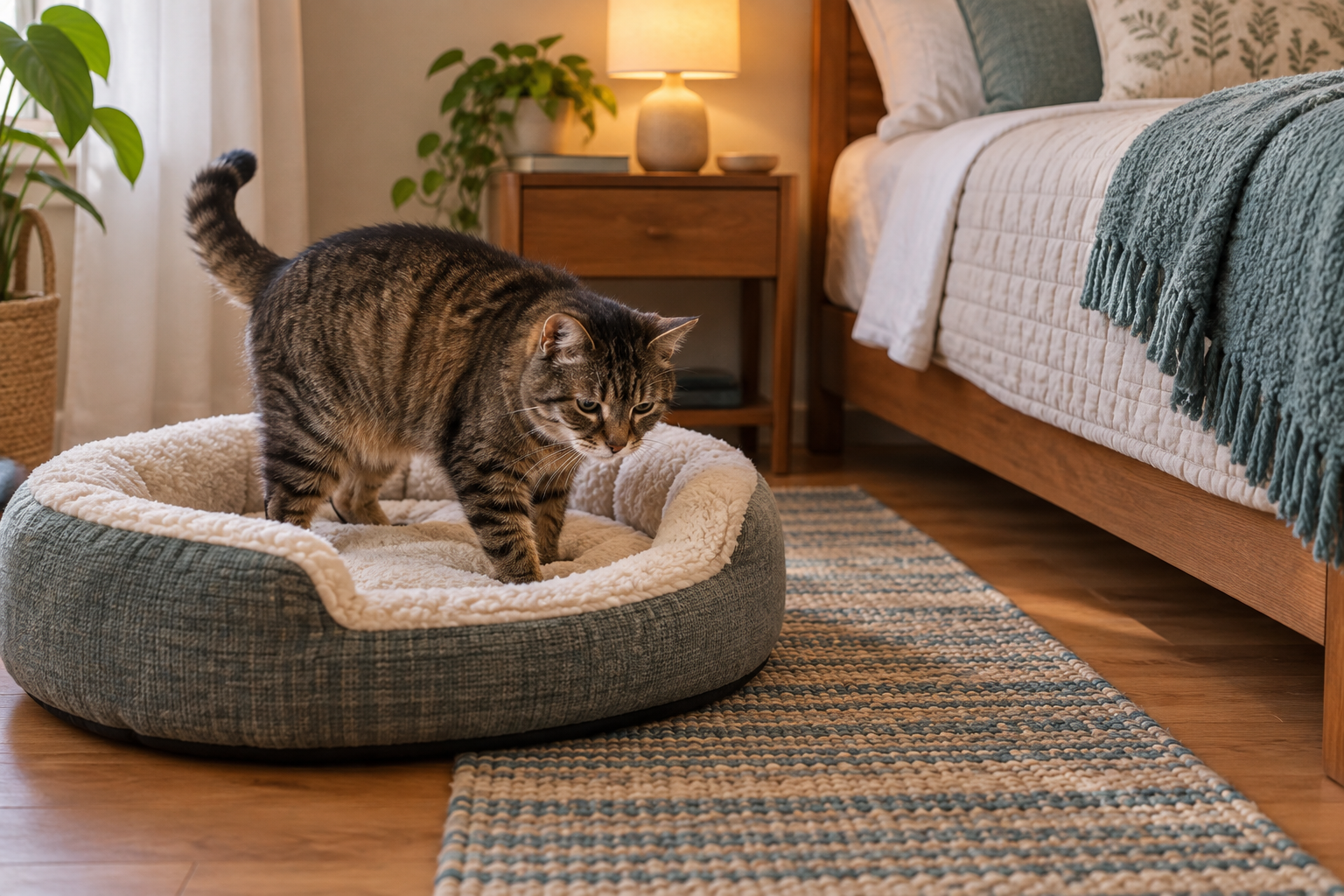
Learn how to assess a senior cat’s circling before rest, spot pain or neurologic changes, track the pattern, and know when to call a veterinarian.
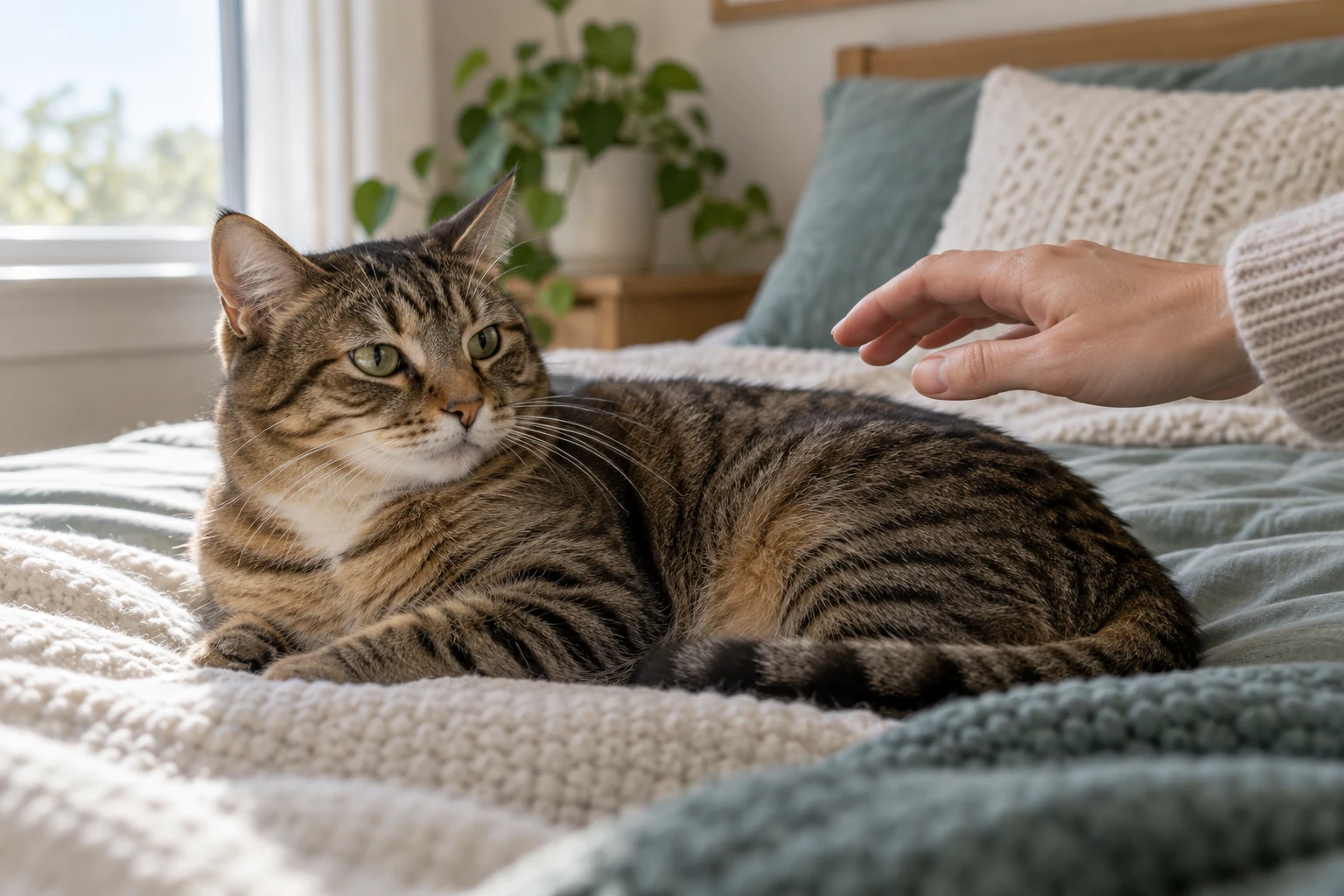
If your cat flinches when touched while sleeping, the most common explanation is a normal startle response: they were deeply relaxed, half-awake.