Behavior Decoding
Why is your cat acting out? We analyze the root causes of scratching, night crying, and aggression.
- Root cause analysis
- Emotional triggers
- Litter box issues



Your cat may follow you everywhere because you are a trusted source of safety, attention, food, play, and interesting activity. In most cases, a relaxed cat.
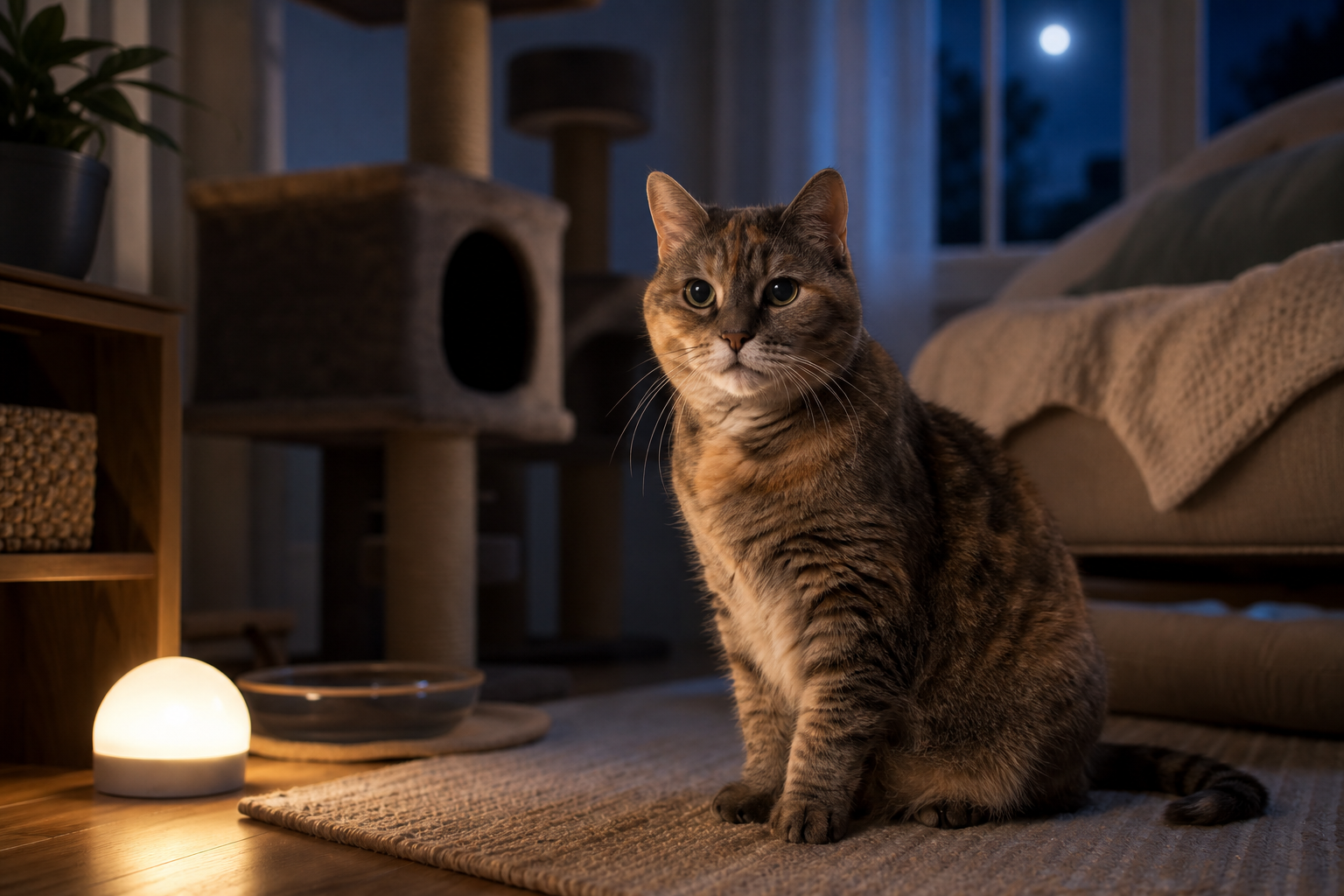
Why is your cat yowling at night? Learn common causes, senior-cat warning signs, when to call a vet, and a calmer bedtime routine to try after health concerns are checked.
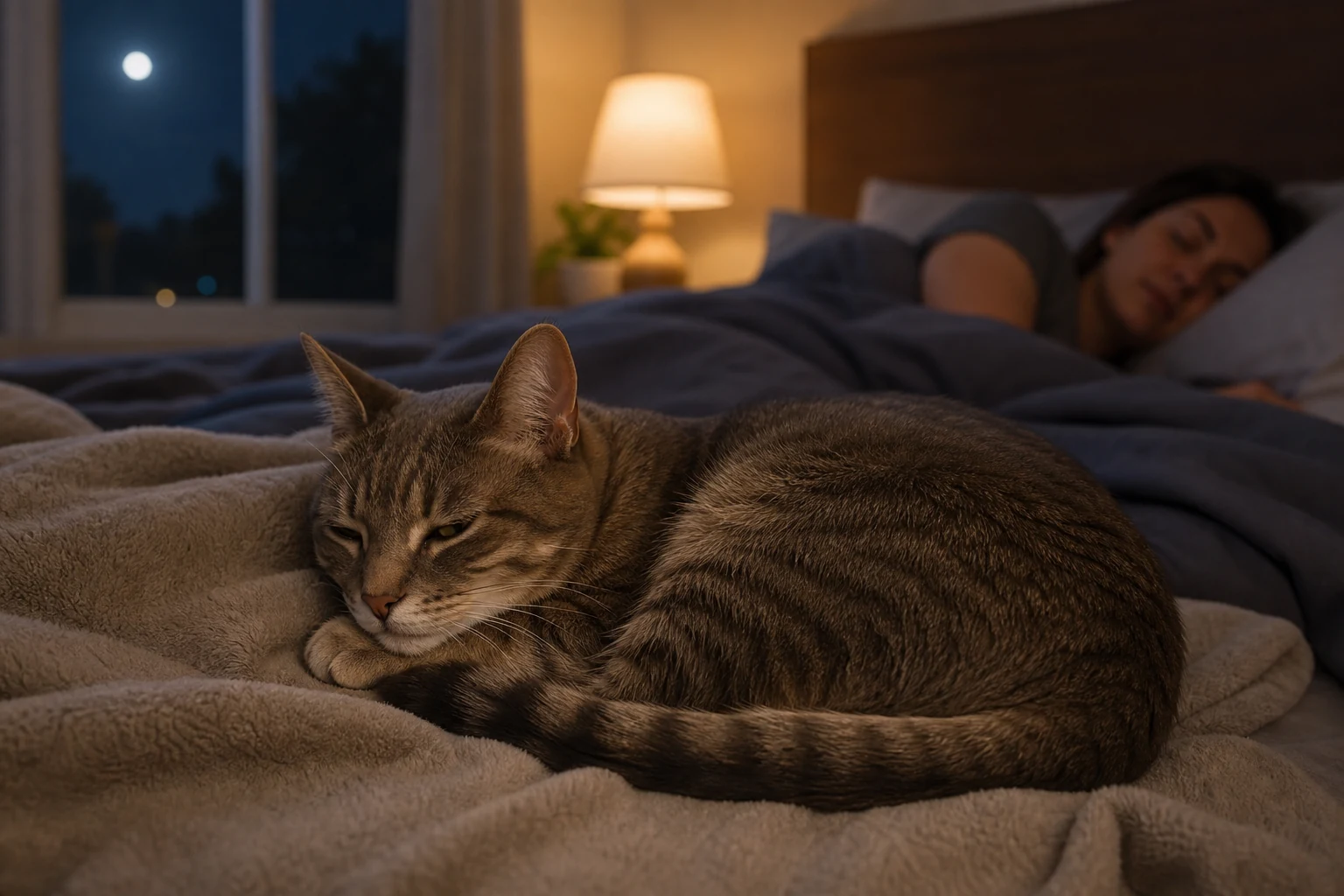
A cat’s nighttime purr can mean comfort, attention, or discomfort. Learn how posture and routine provide clues, what changes to track, and when to call your veterinarian.

If your cat gives your hand a few gentle licks and then suddenly bites, it usually is not a switch from “love” to “hate.” More often, the cat is moving.
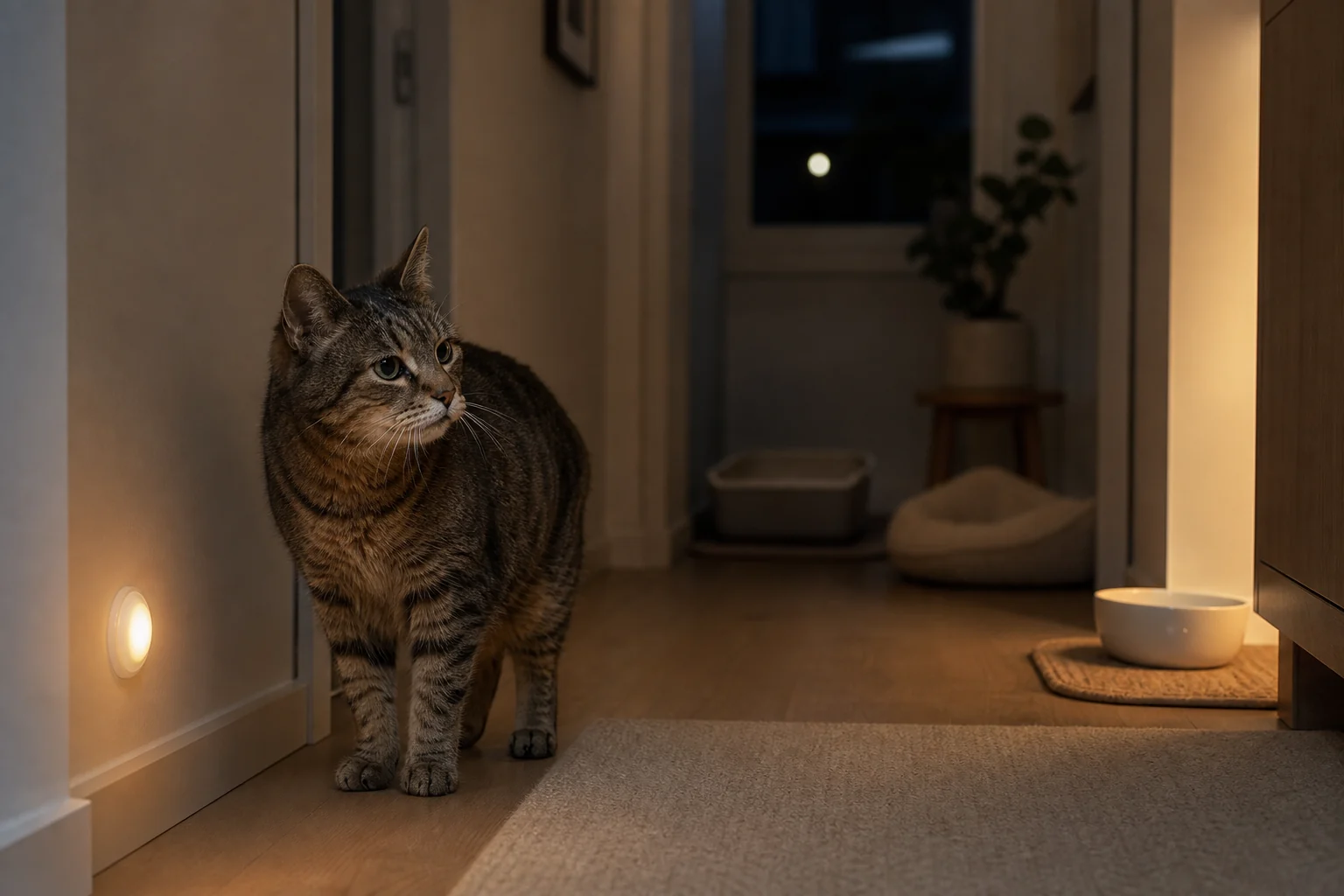
Cat restless at night? Track the pattern, try a safe evening routine, and learn when pacing, night waking, or senior-cat changes need a vet.
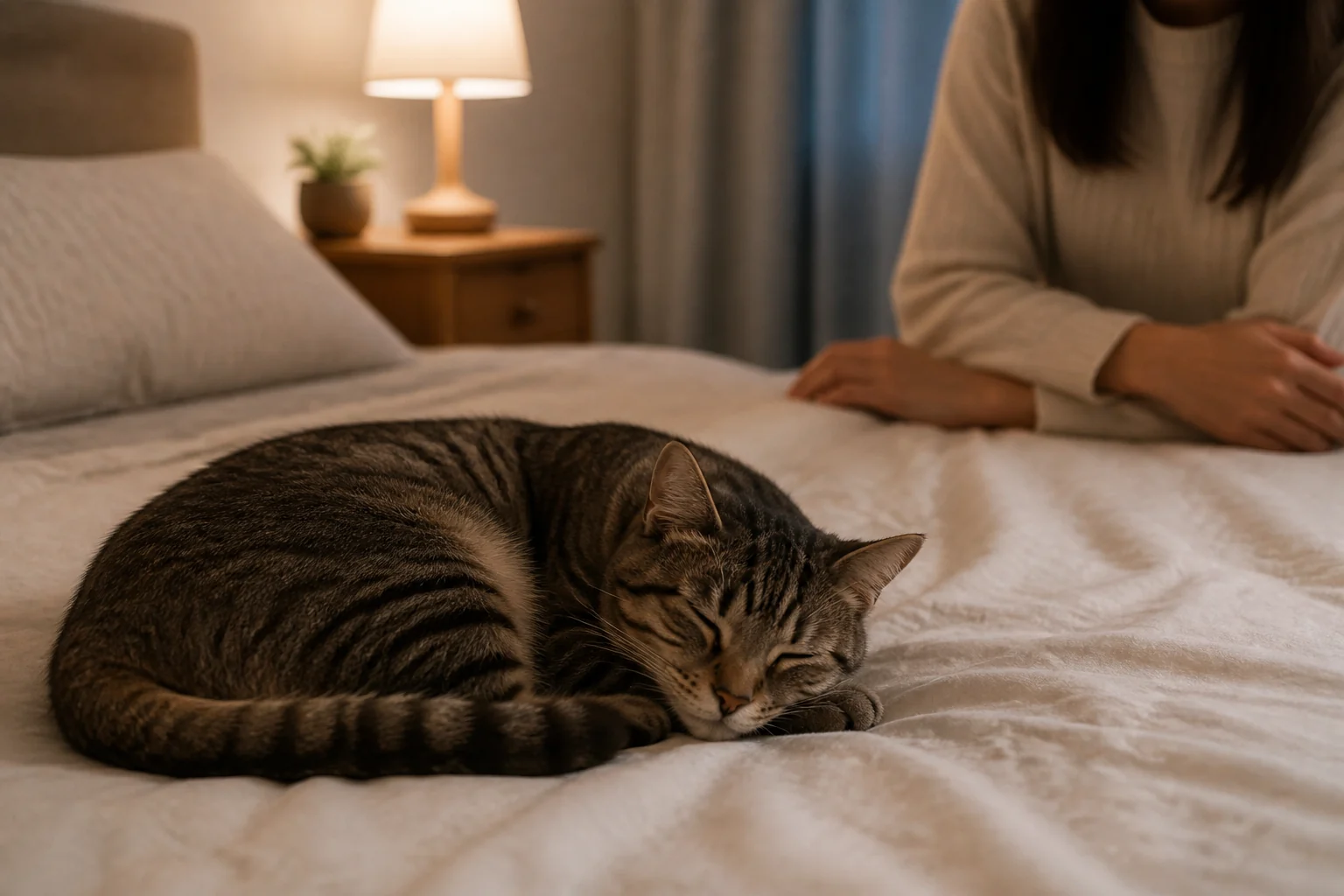
A cat may purr while dozing, but the sound alone does not prove comfort or dreams. Learn how to check breathing and behavior changes and when to call a vet.
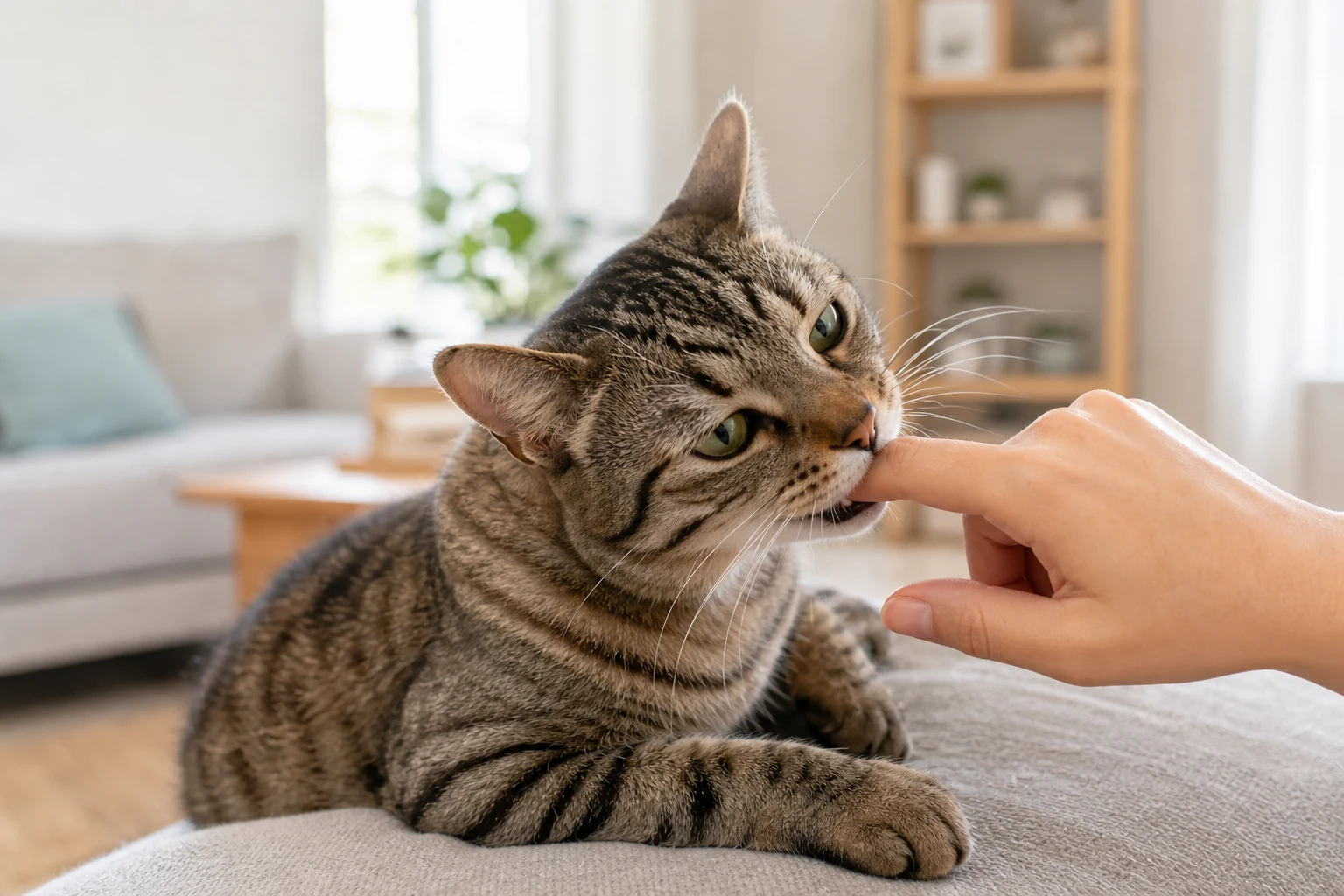
A cat nibbling fingers may be playing, exploring, or asking you to stop. Read the body cues, redirect safely, and learn when a bite needs medical or vet care.
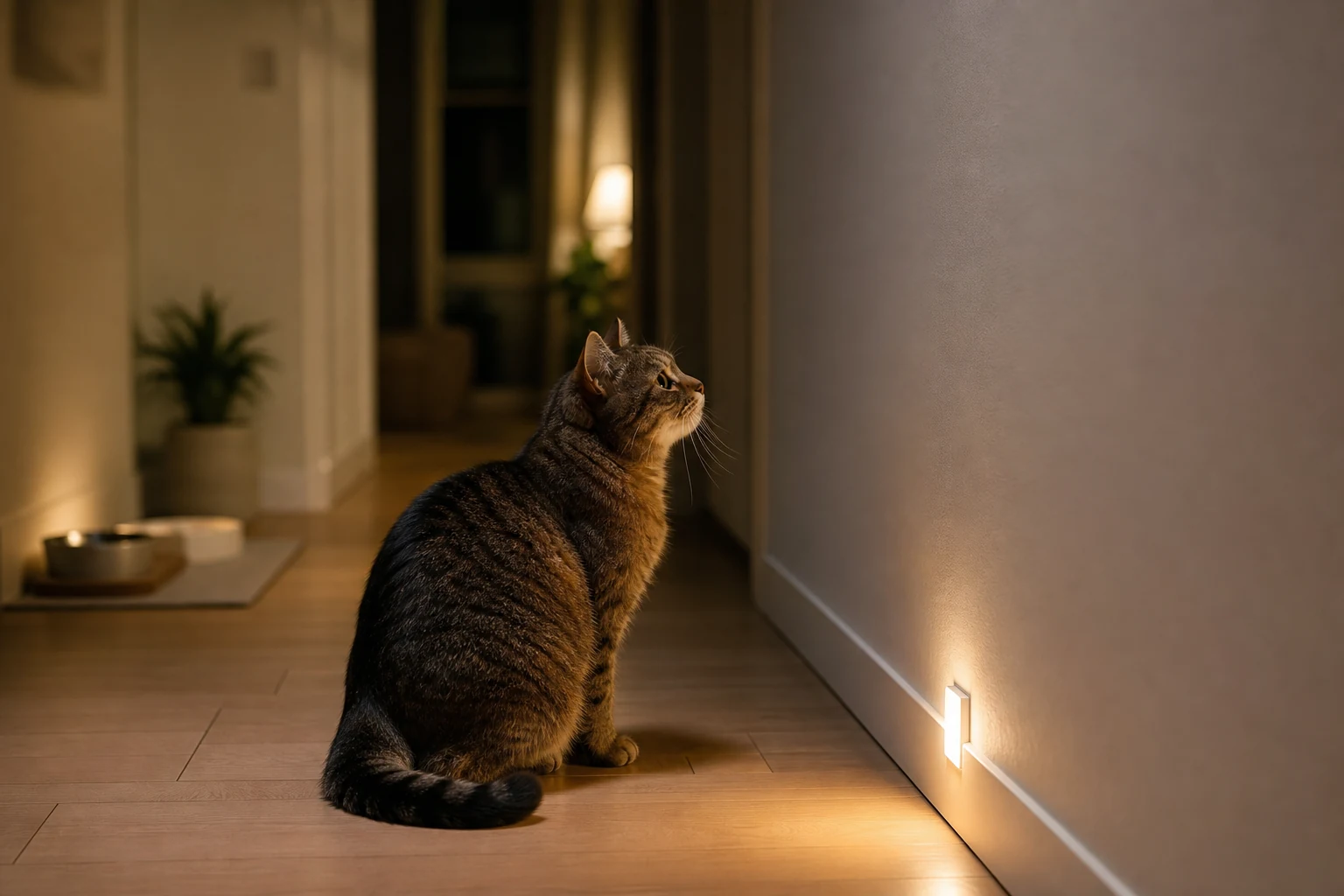
A brief stare can be curiosity, but new wall staring with disorientation, vision changes, or night yowling deserves a vet check. Learn what to record and when to call.