New Environments
Strategies for the first move, adapting to new layouts, and creating safe zones to reduce relocation stress.
- First move guide
- Safe zone setup
- Scent adaptation


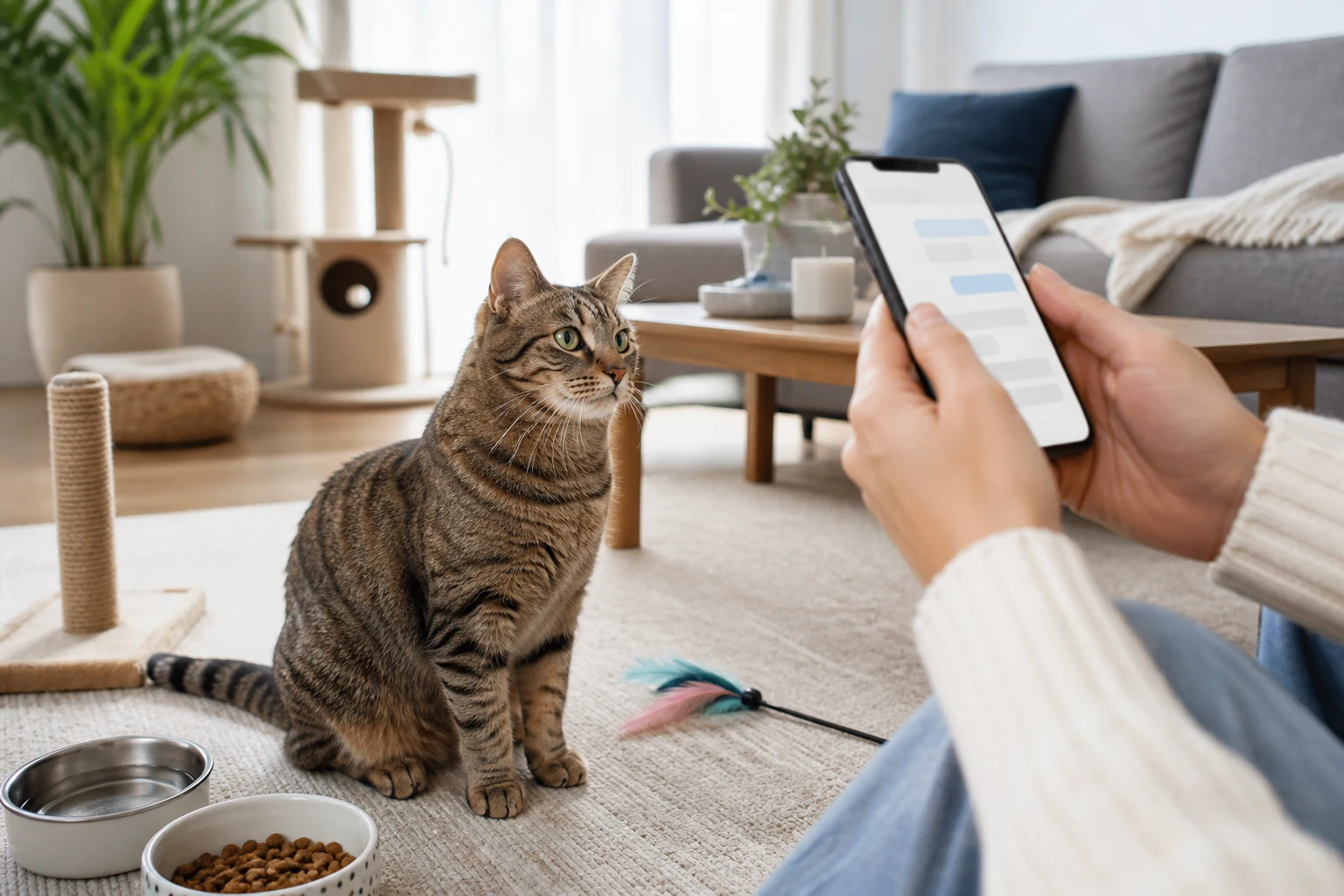

Copy a simple cat-sitter update template for visits, food, water, litter, behavior, photos, and signs that call for a phone call to you or your vet.
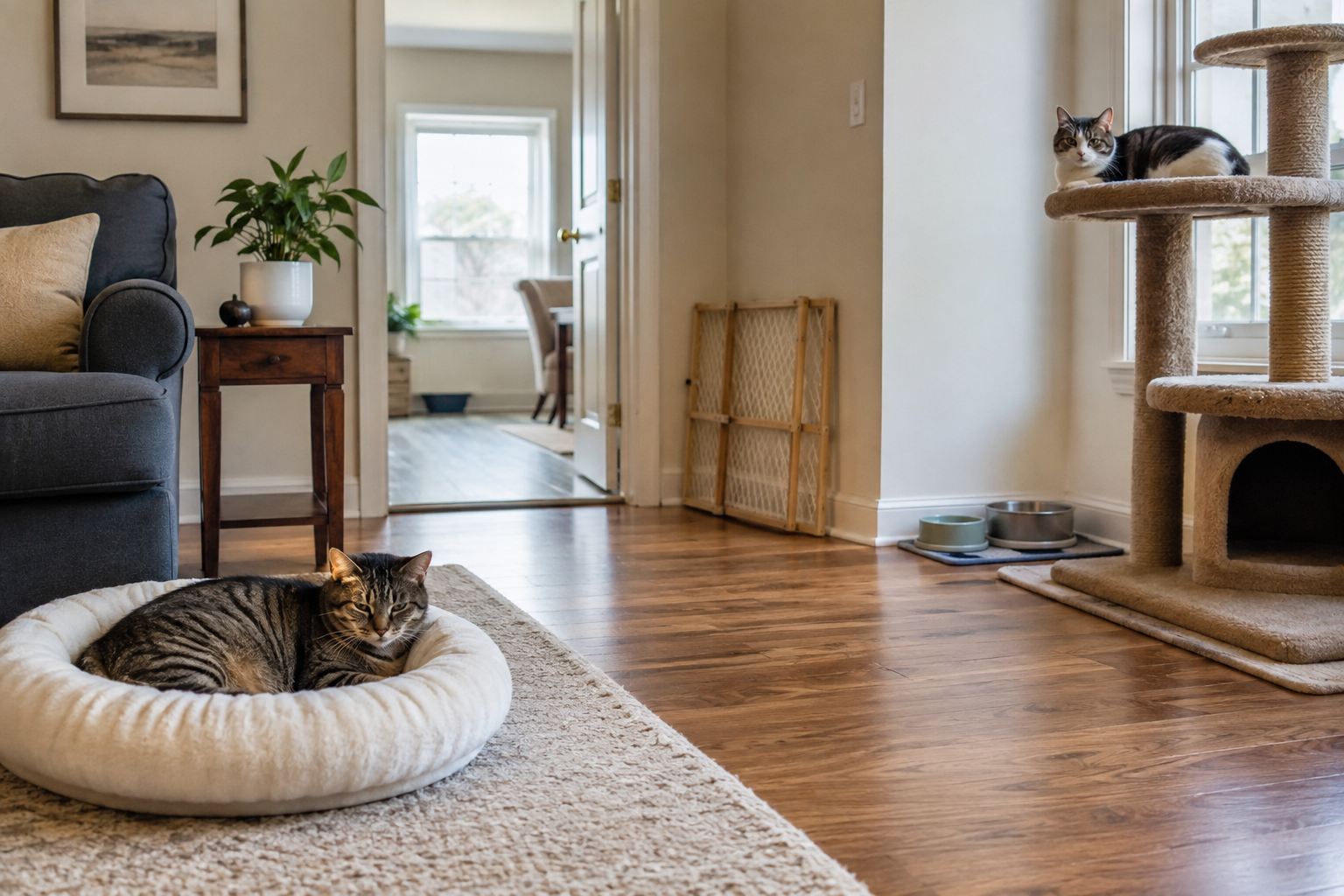
To prevent a cat bullying relapse, monitor old trouble spots, keep resources separated, and step back early when blocking, chasing, or avoidance returns.
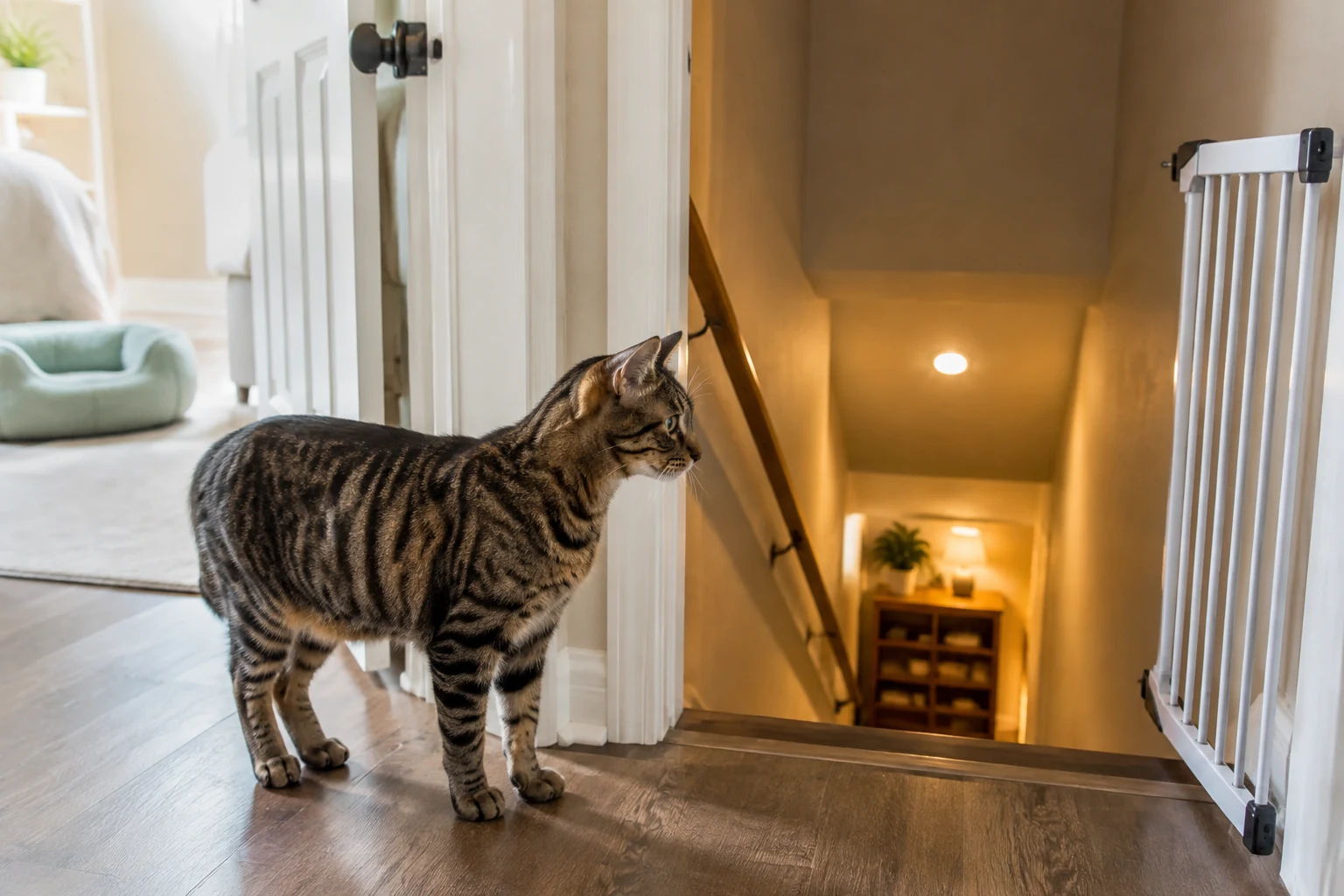
Use this basement checklist before a new cat explores: secure exits, block utility and chemical hazards, prepare a retreat, and keep an easy route upstairs.

Teaching preschoolers cat boundaries starts with clear house rules: calm voices, slow bodies, asking before touching, and never following a cat through a.

Use this cat sitter debrief checklist to review meals, litter, behavior, and messages. Update instructions and backup plans for the next visit.
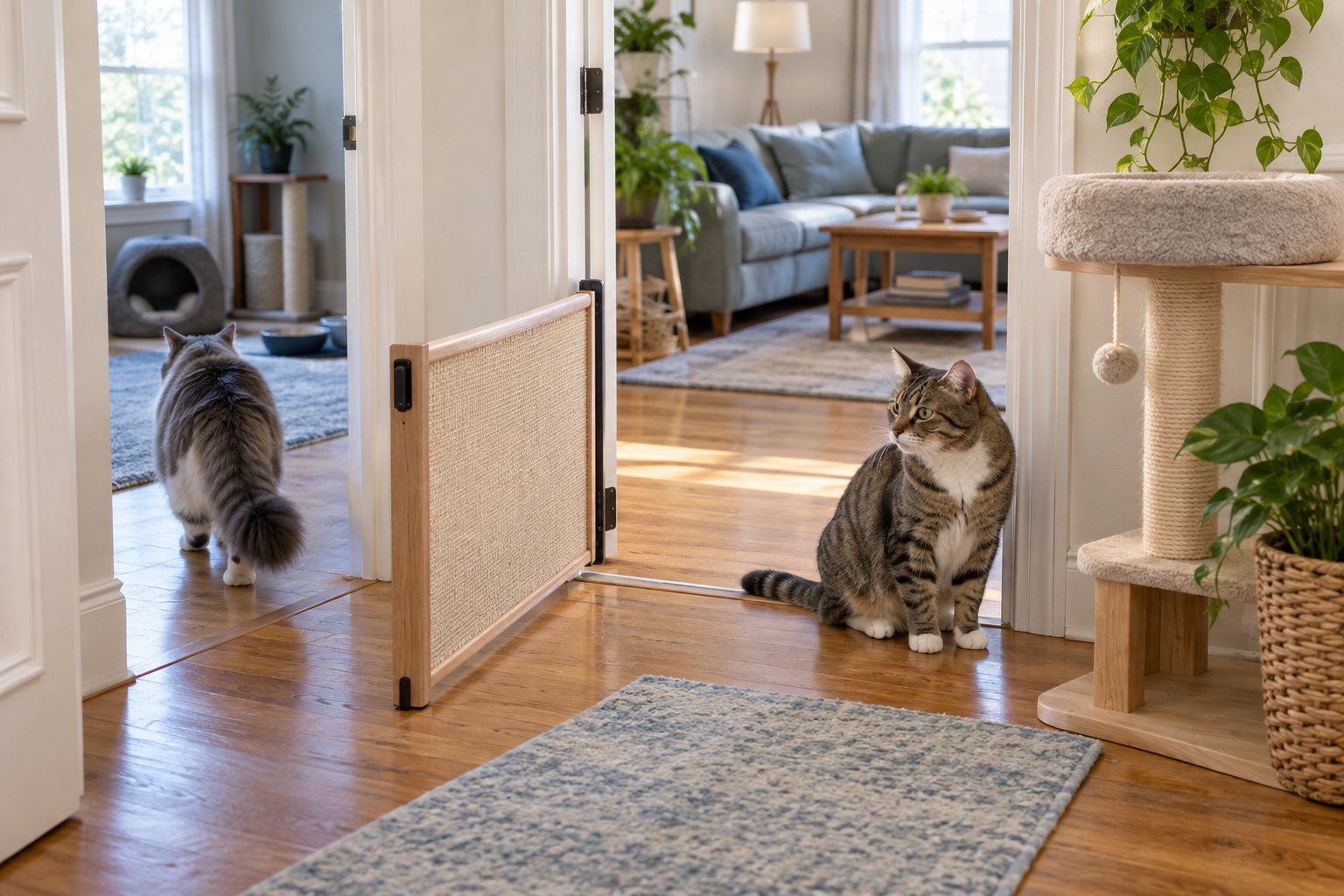
To stop one cat blocking doorways, treat it as a route and resource problem, not just a manners problem. Give the blocked cat more ways to pass, add perches.
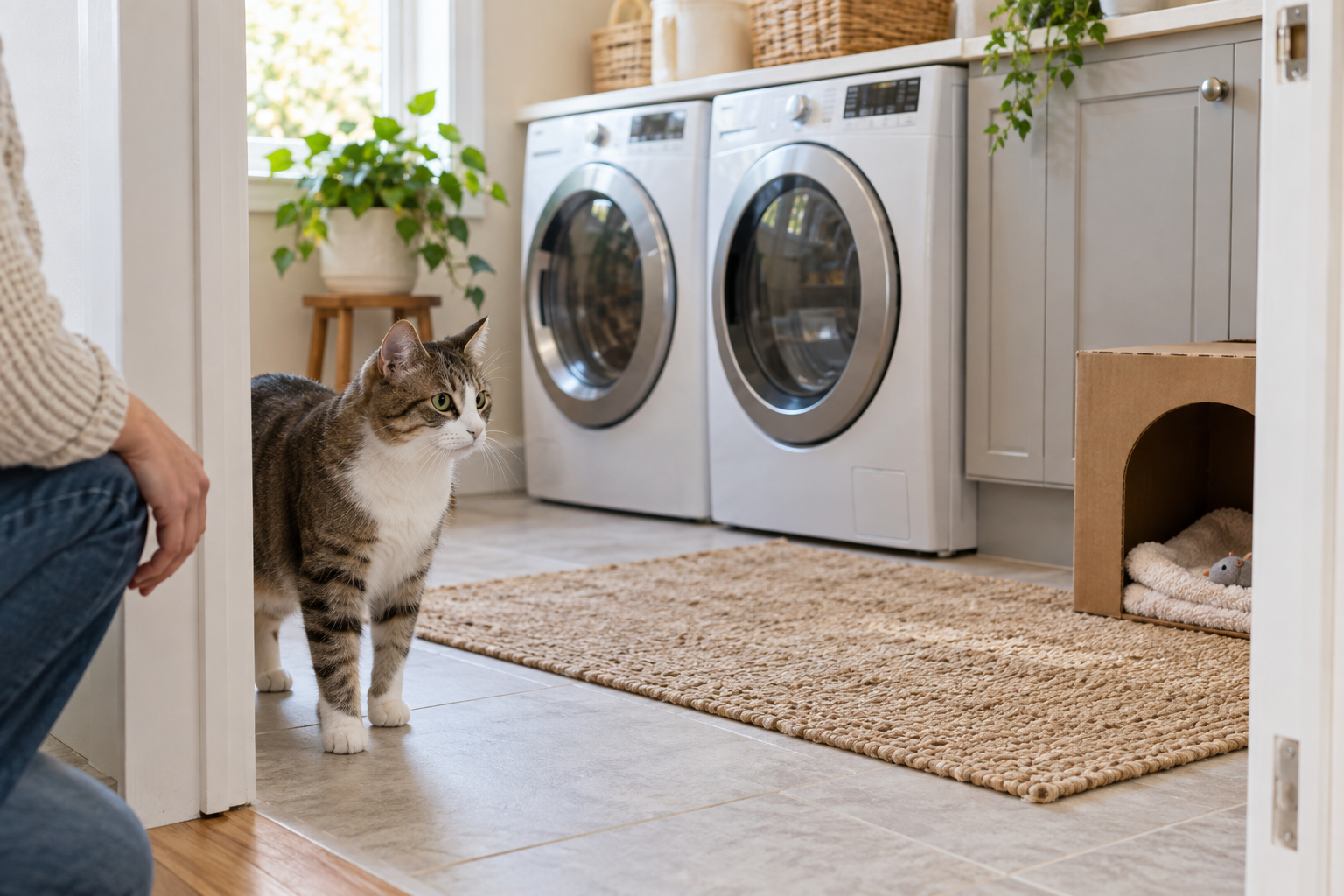
Let a new cat explore a laundry room only after the machines, chemicals, doors, and hiding gaps are controlled. The safest first visit is short, supervised.
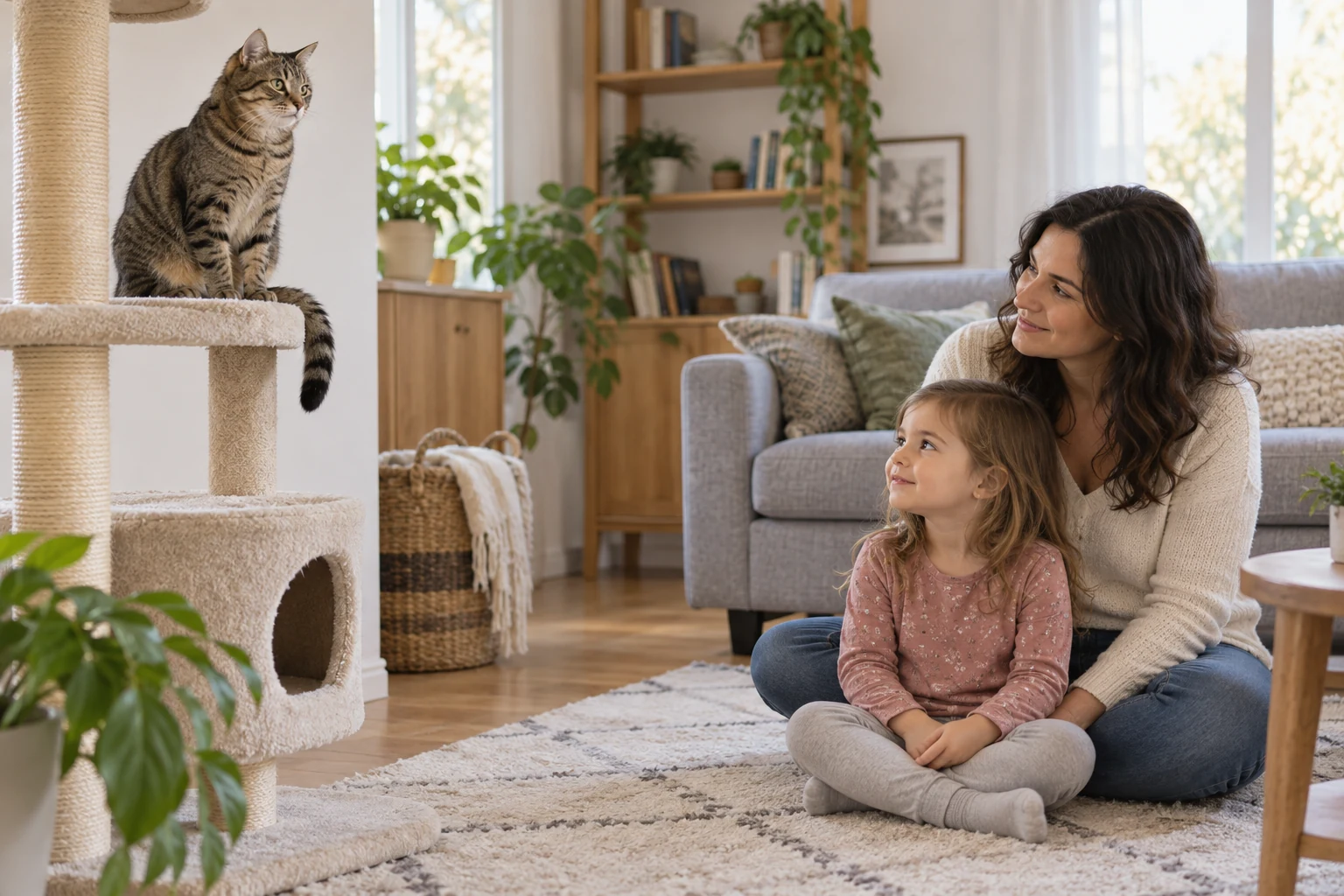
Helping preschoolers read cat body language starts with one rule: the child stops before the cat has to hiss, swat, scratch, or bite. Tail, ear, eye.