New Environments
Strategies for the first move, adapting to new layouts, and creating safe zones to reduce relocation stress.
- First move guide
- Safe zone setup
- Scent adaptation


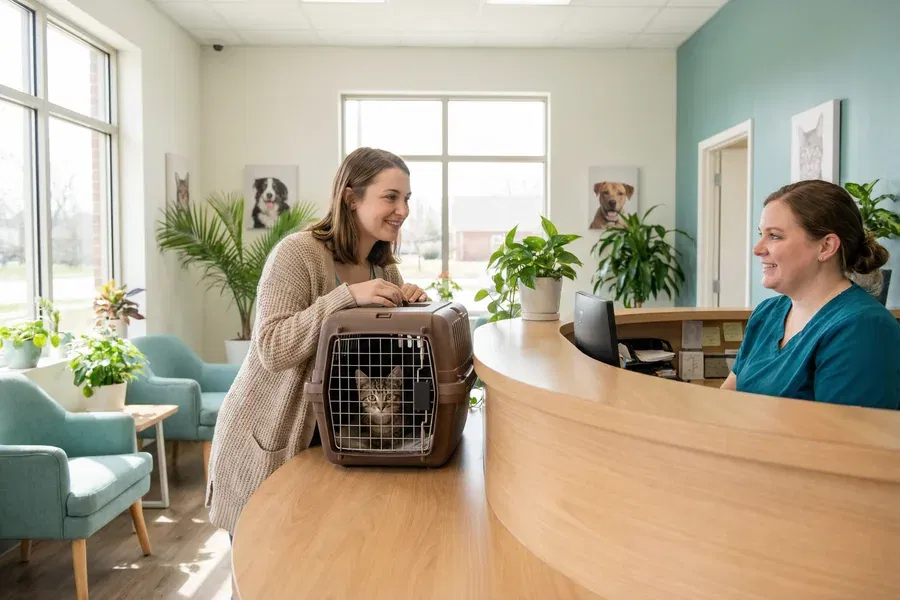

Prepare for your new cat’s first veterinary visit with a records checklist, questions to ask, vaccine guidance, and practical carrier tips.
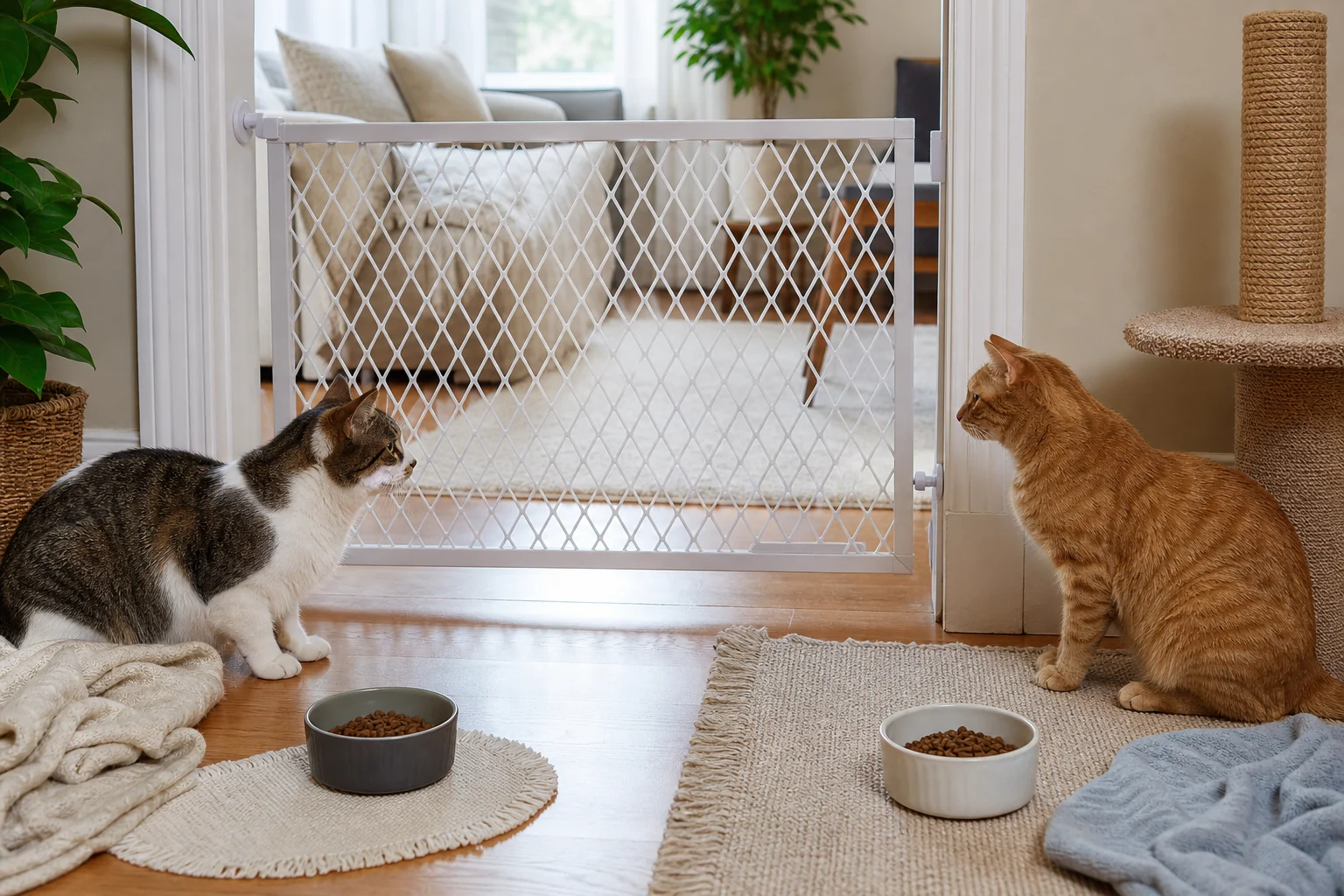
To introduce two cats without fighting, use separation, scent swapping, barrier meetings, and short supervised sessions before shared space.
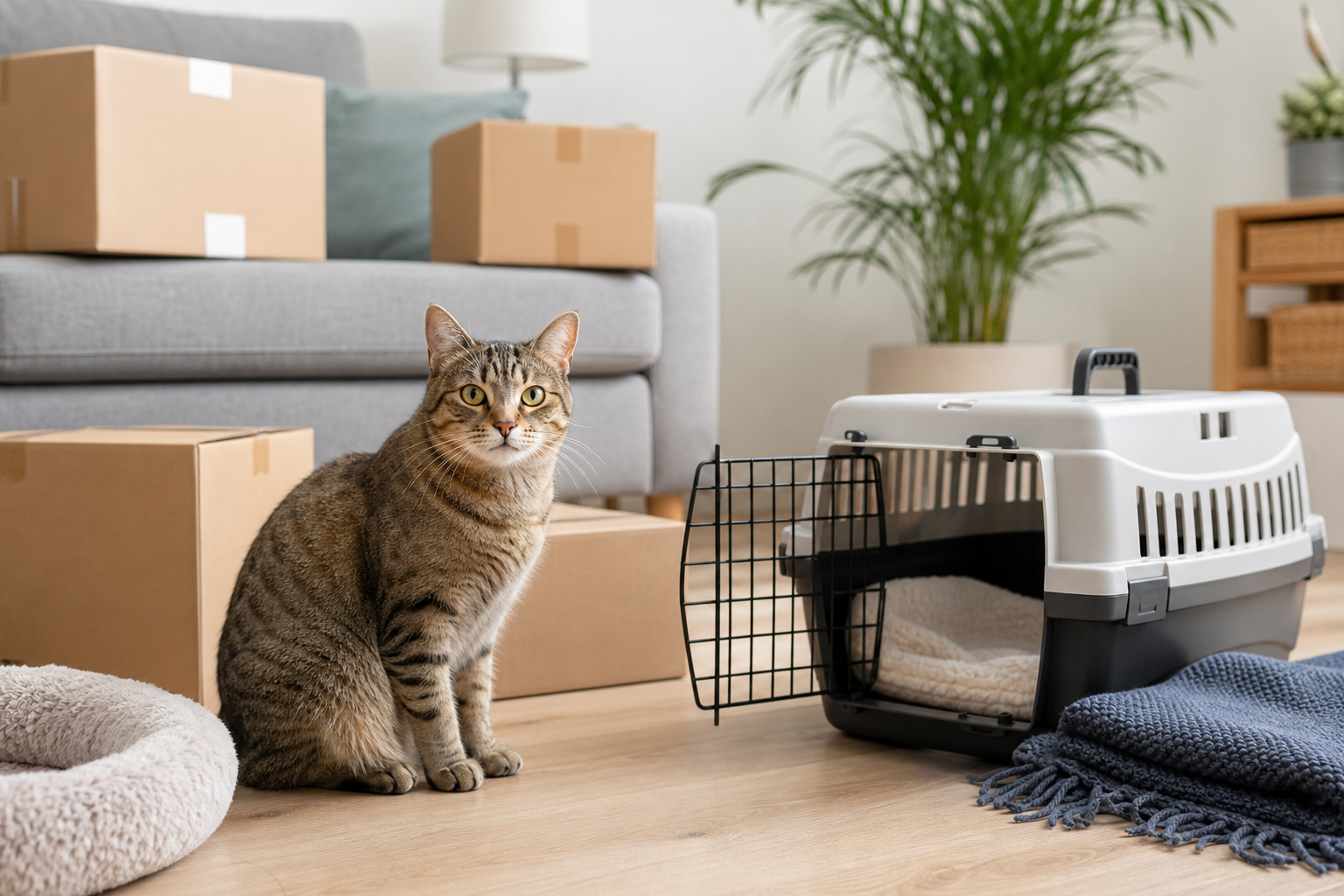
Plan a move with your cat: prepare the carrier, protect a quiet safe room, reduce escape risk on moving day, and let your cat explore at their pace.
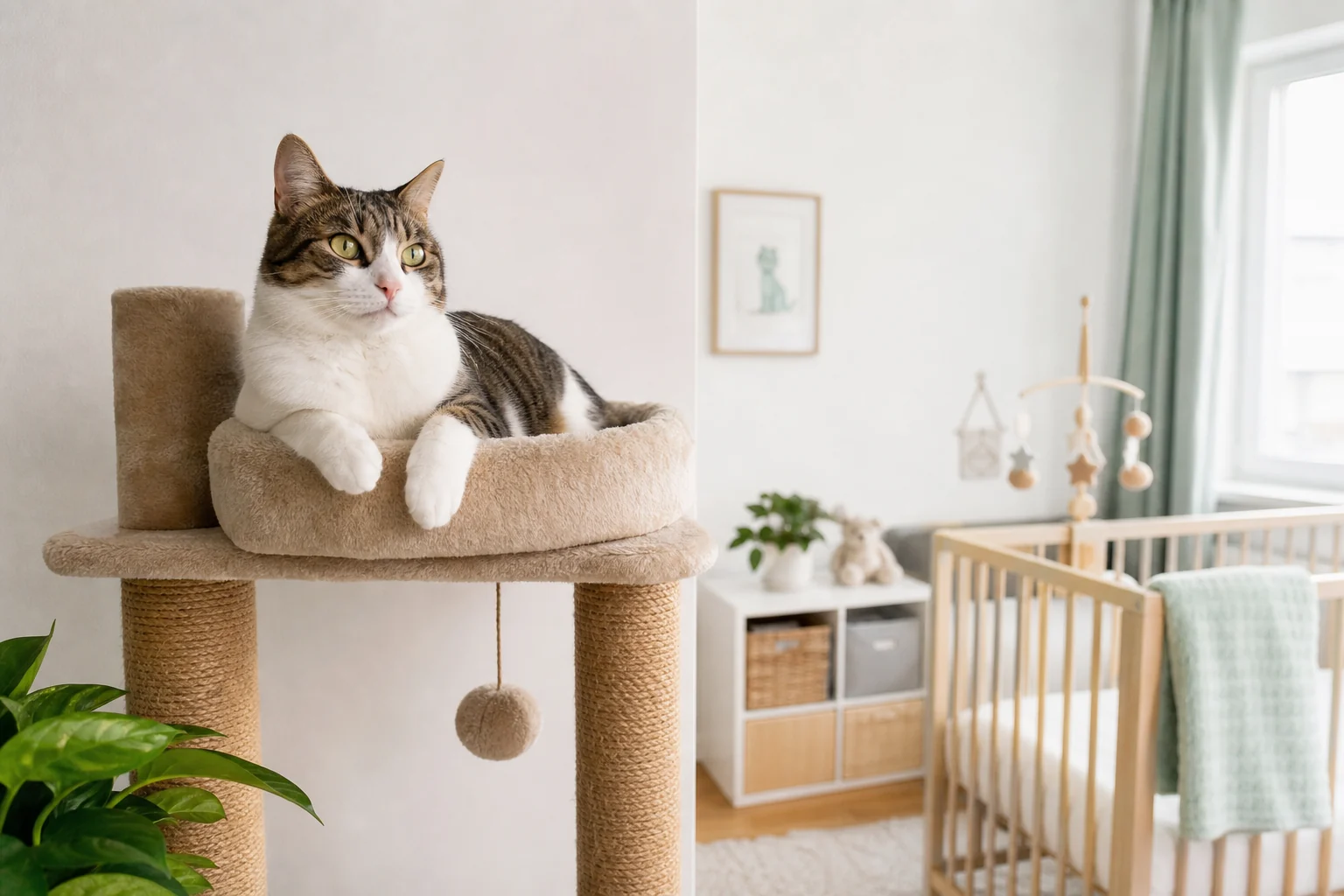
Preparing your cat for a new baby works best when you start before the baby arrives: keep routines predictable, make nursery changes gradually, create.

Most healthy adult cats can handle a normal workday alone if their home is safe, their resources are fresh, and their routine is predictable. Longer.
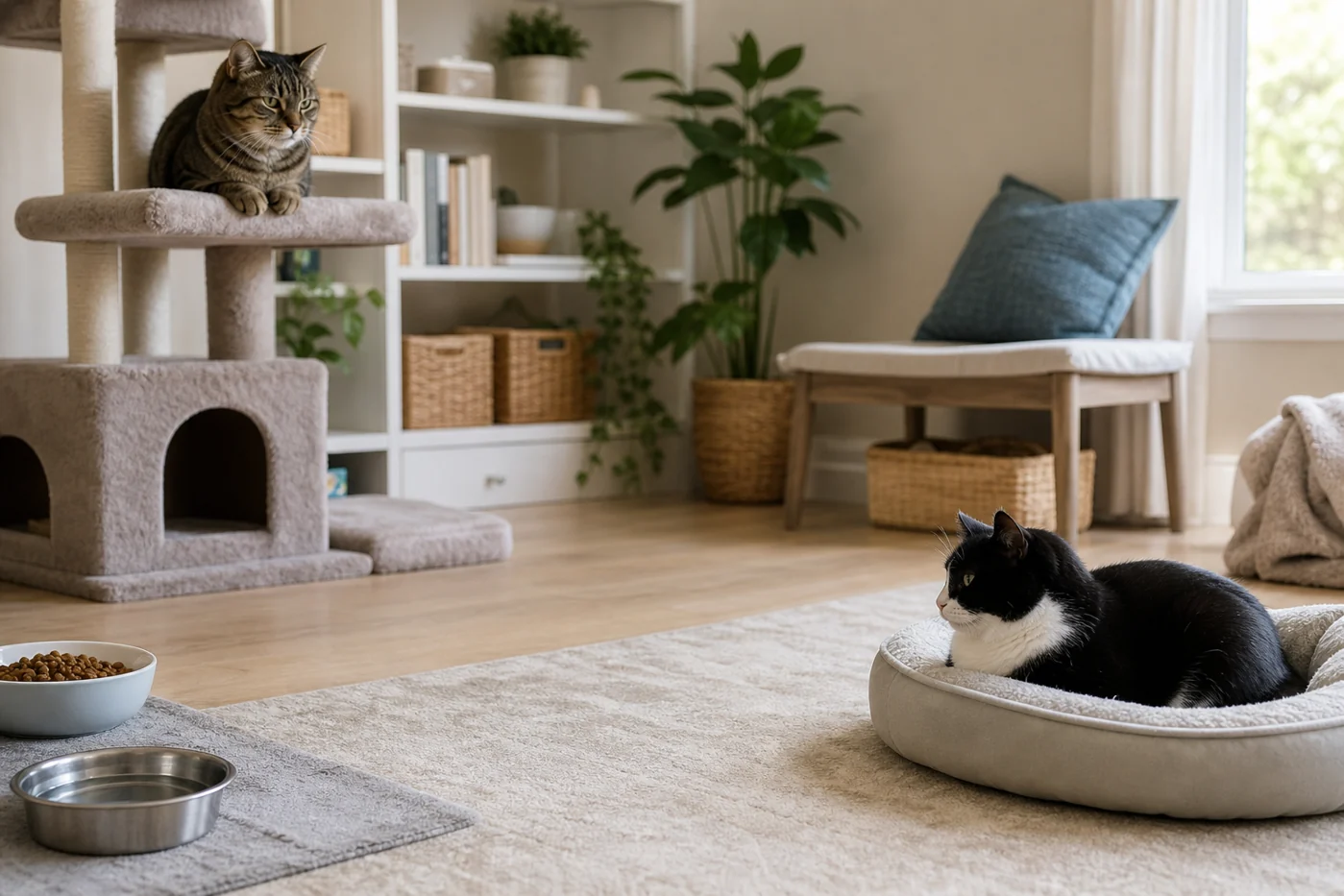
To stop one cat from bullying another, first protect the target cat, then reduce competition, separate tense cats before fights happen, and rebuild calm.
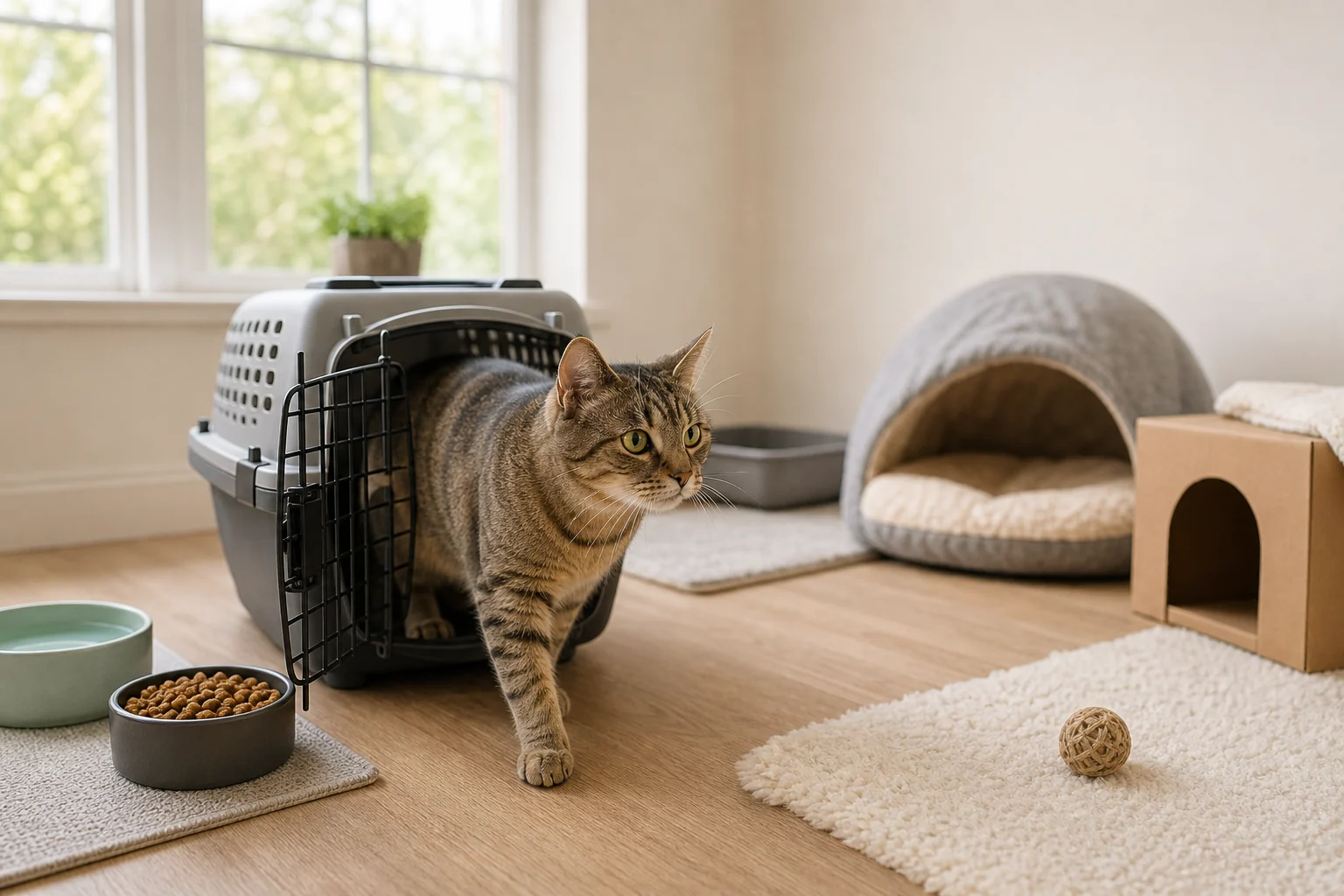
To settle a cat into a new home, start small: one quiet room, familiar-smelling items, easy access to food, water, litter, hiding places, scratching, and a.
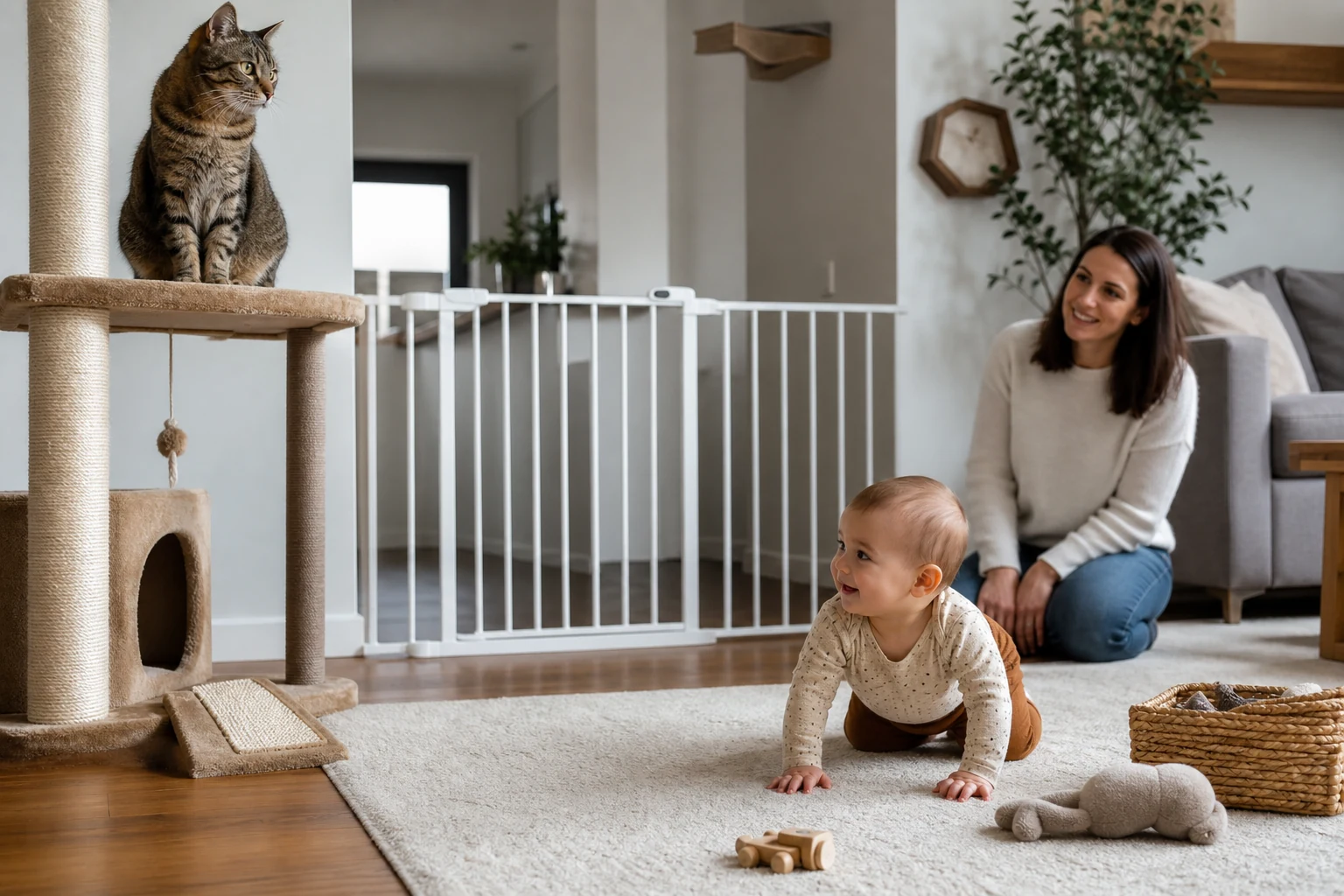
When your baby starts crawling, the safest cat introduction is not a big first meeting. It is a supervised routine that gives your cat distance, escape.