Symptom Checker
Quickly identify potential causes for vomiting, hair loss, lethargy, and other common distress signals.
- Vomiting & digestive issues
- Skin & coat health
- Energy level changes

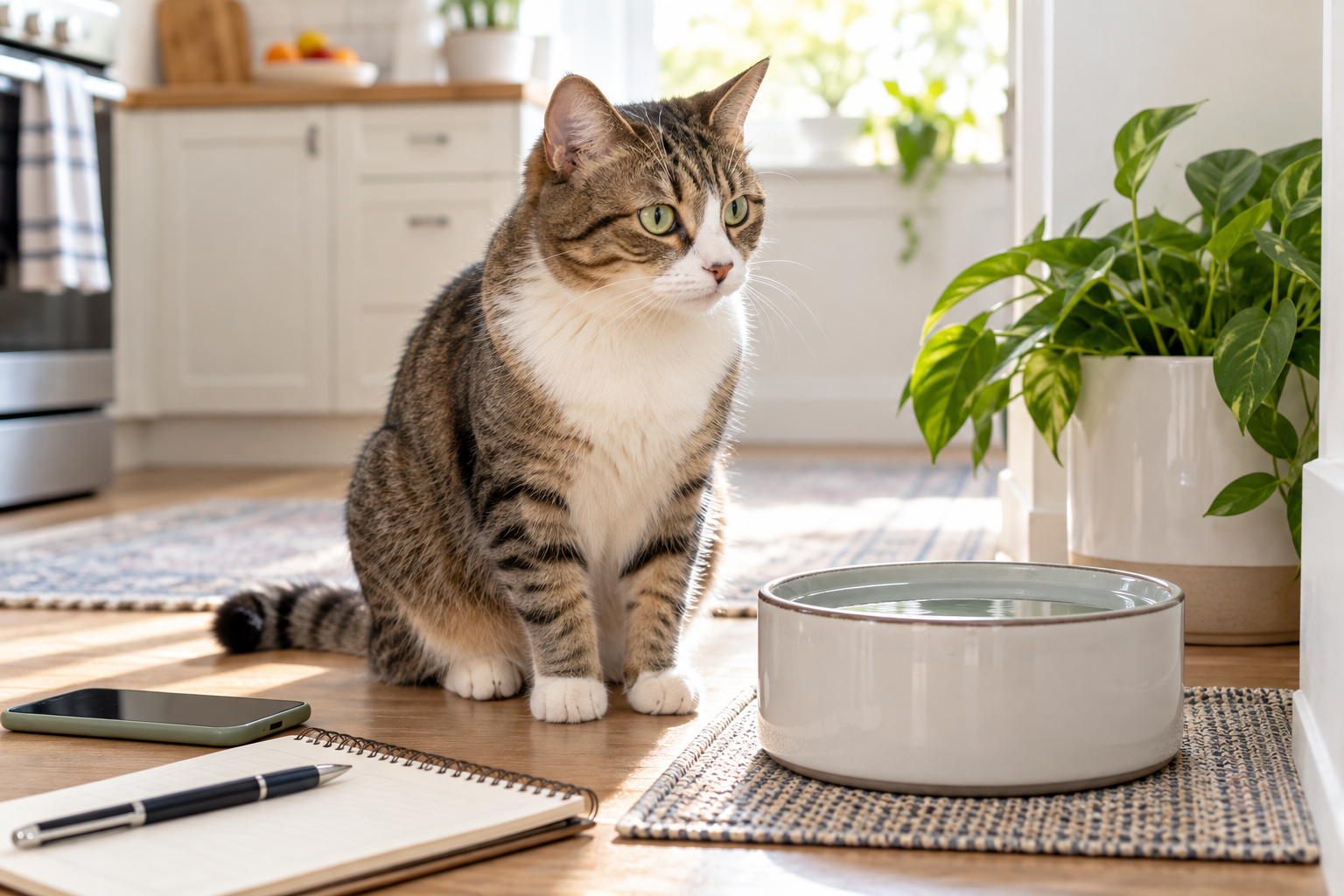

Repeated vomiting with reduced drinking can worsen dehydration. Learn warning signs, safe next steps, and what information to share with your clinic.

A practical appointment checklist for a cat urinary recheck, including logs, medications, sample questions, and changes that cannot wait.
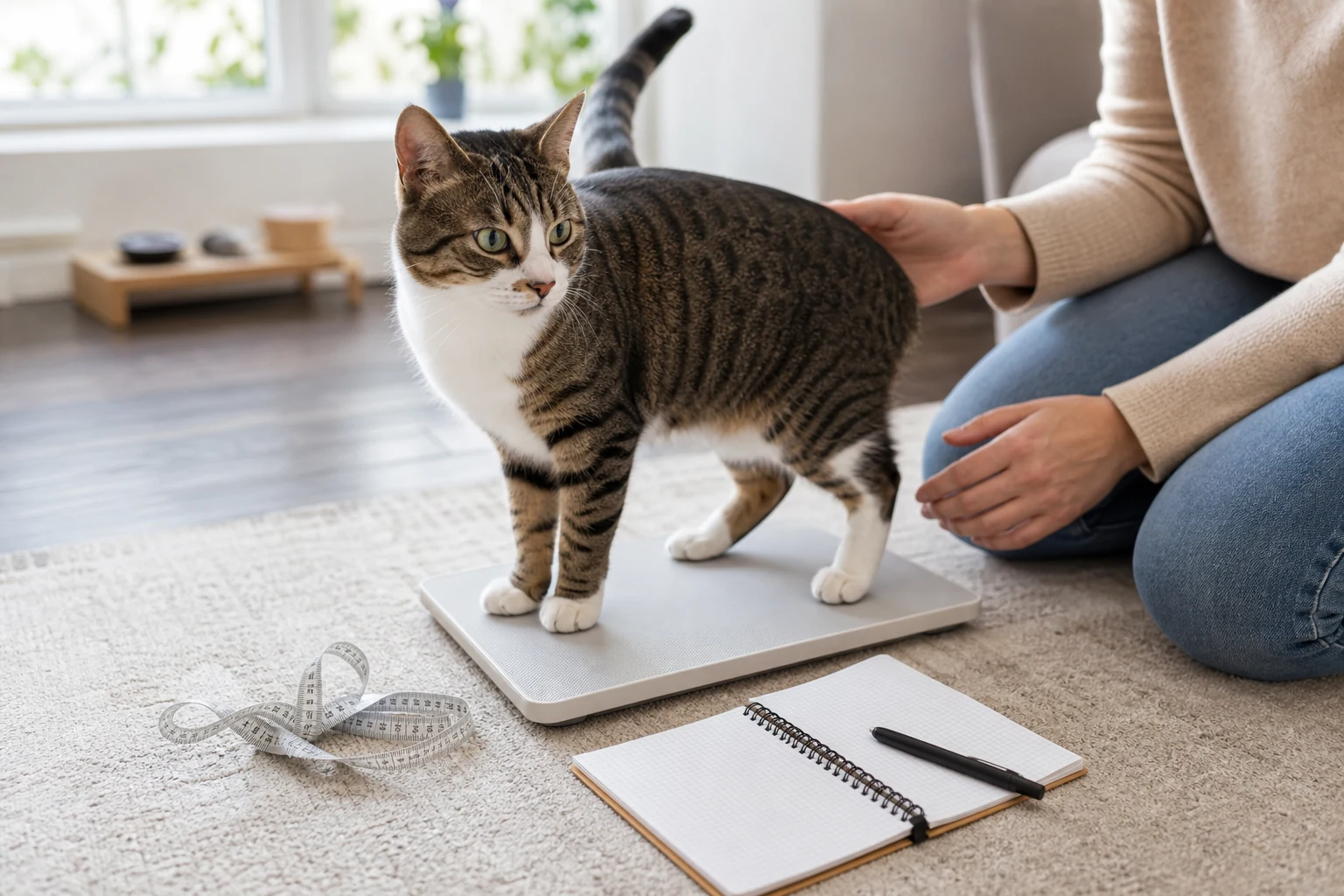
Compare age-based kitten guidance with routine adult checks and veterinarian-directed plans, then learn how to make home weigh-ins consistent.
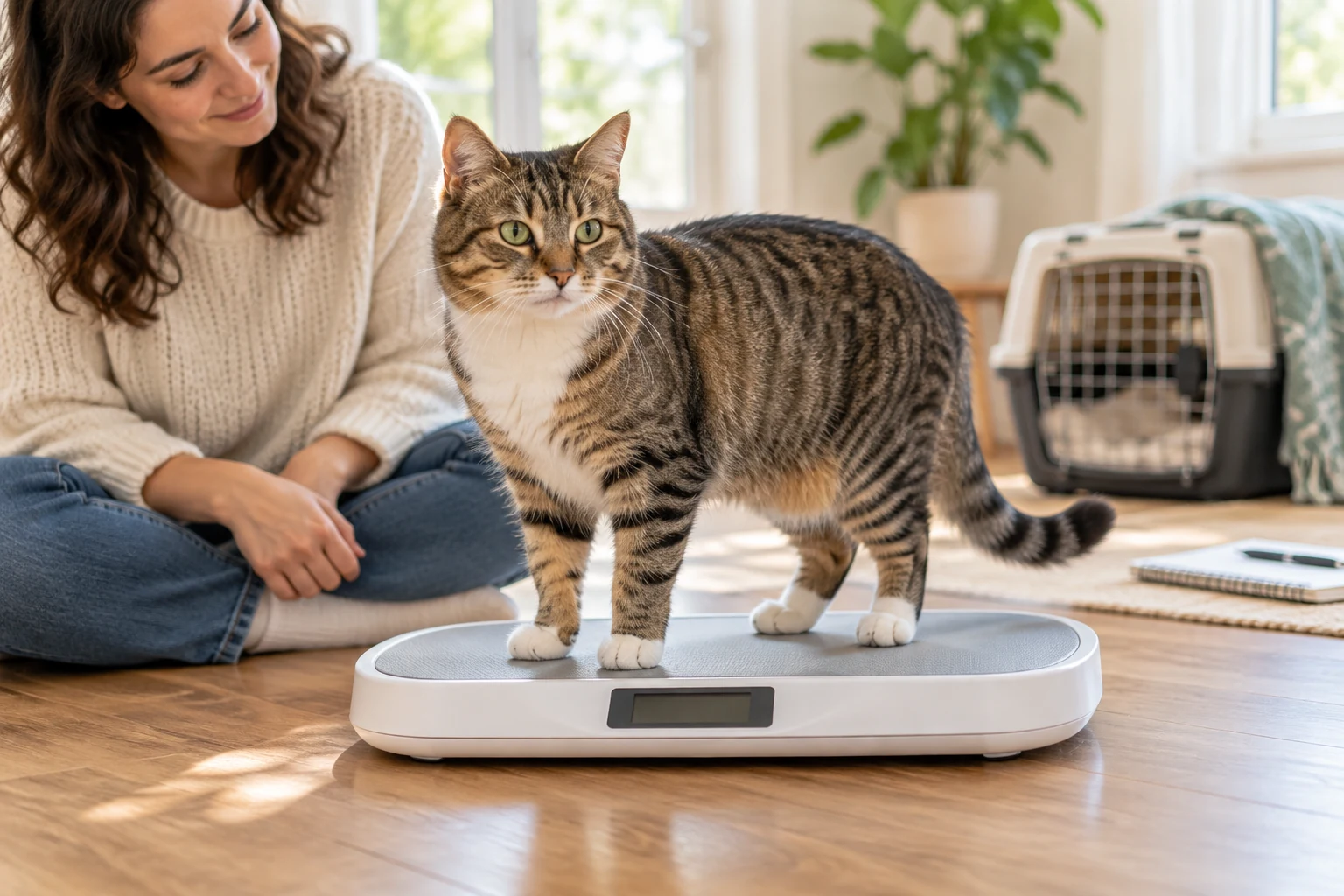
Compare pet-scale, carrier, and bathroom-scale methods for weighing a cat at home, with low-stress steps and tips for recording a useful trend.
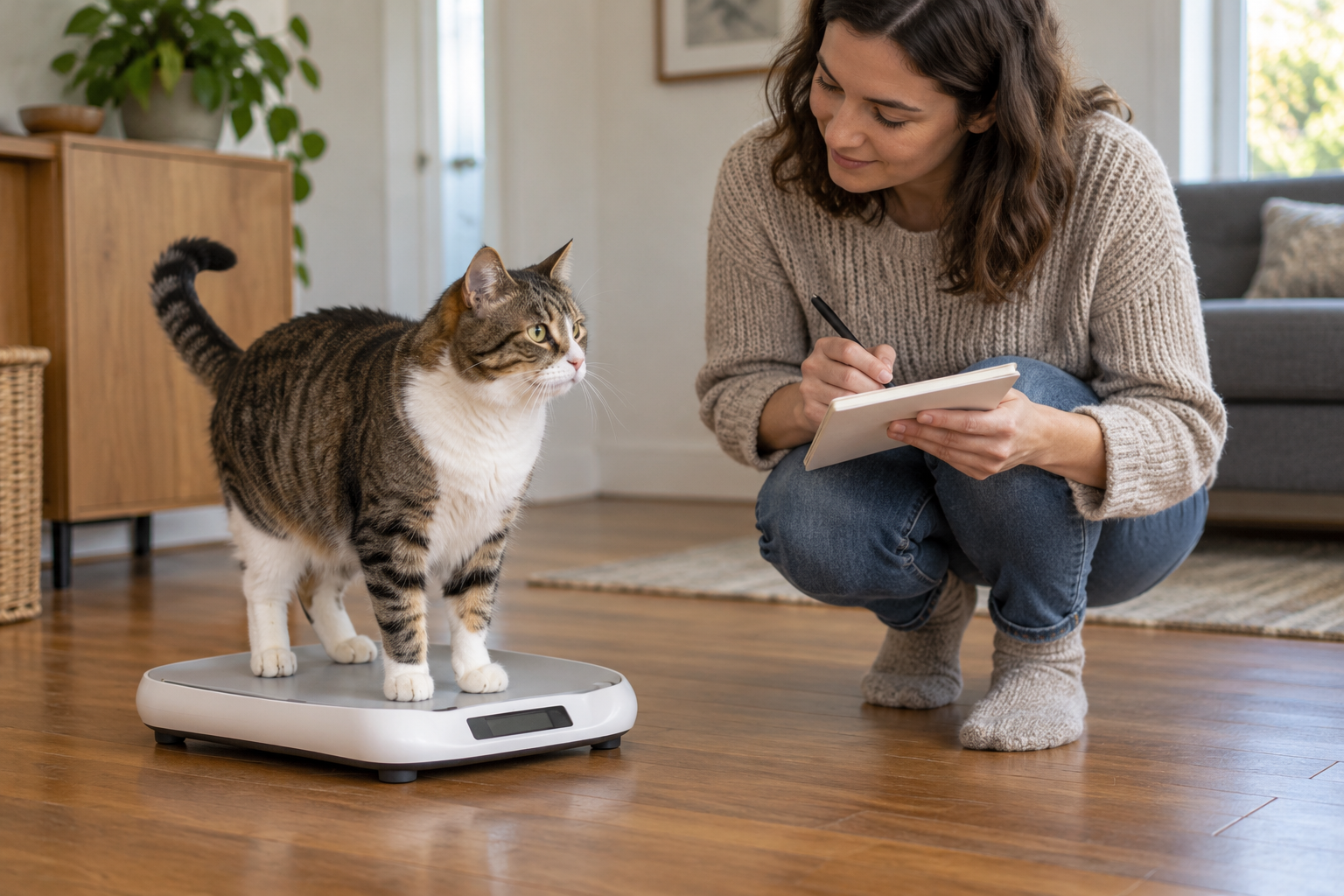
A practical way to check whether a changing cat weight reading comes from the setup or a real trend, and what details to record before contacting your veterinarian.

Use a dated weight and feeding record to make veterinary rechecks more useful, keep plan changes clear, and explain barriers that affect progress.

Compare ASPCApro’s week-end weight ranges for days 1–56, then learn when to use a growth curve and what to record for your kitten.

If a senior cat is losing weight without a planned veterinary weight-loss program, record the trend and related changes, then contact your veterinarian.