Grooming Routine
Step-by-step guides for bathing, nail trimming, and coat care to keep your cat clean and stress-free.
- Stress-free bathing
- Nail trimming guide
- Coat maintenance


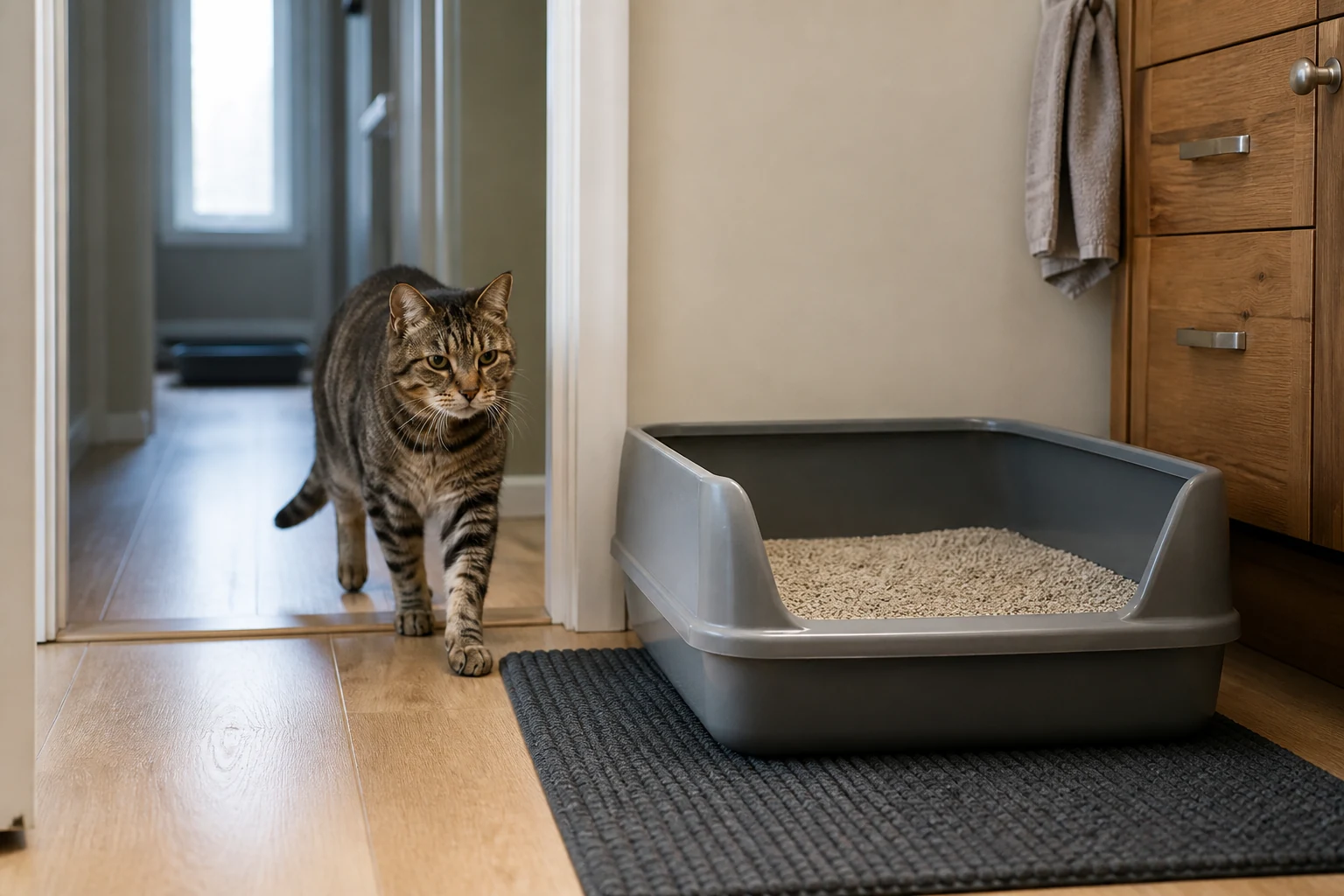

A senior cat should have litter boxes close enough that stairs, long hallways, closed doors, slippery floors, and other pets do not become barriers. In many.
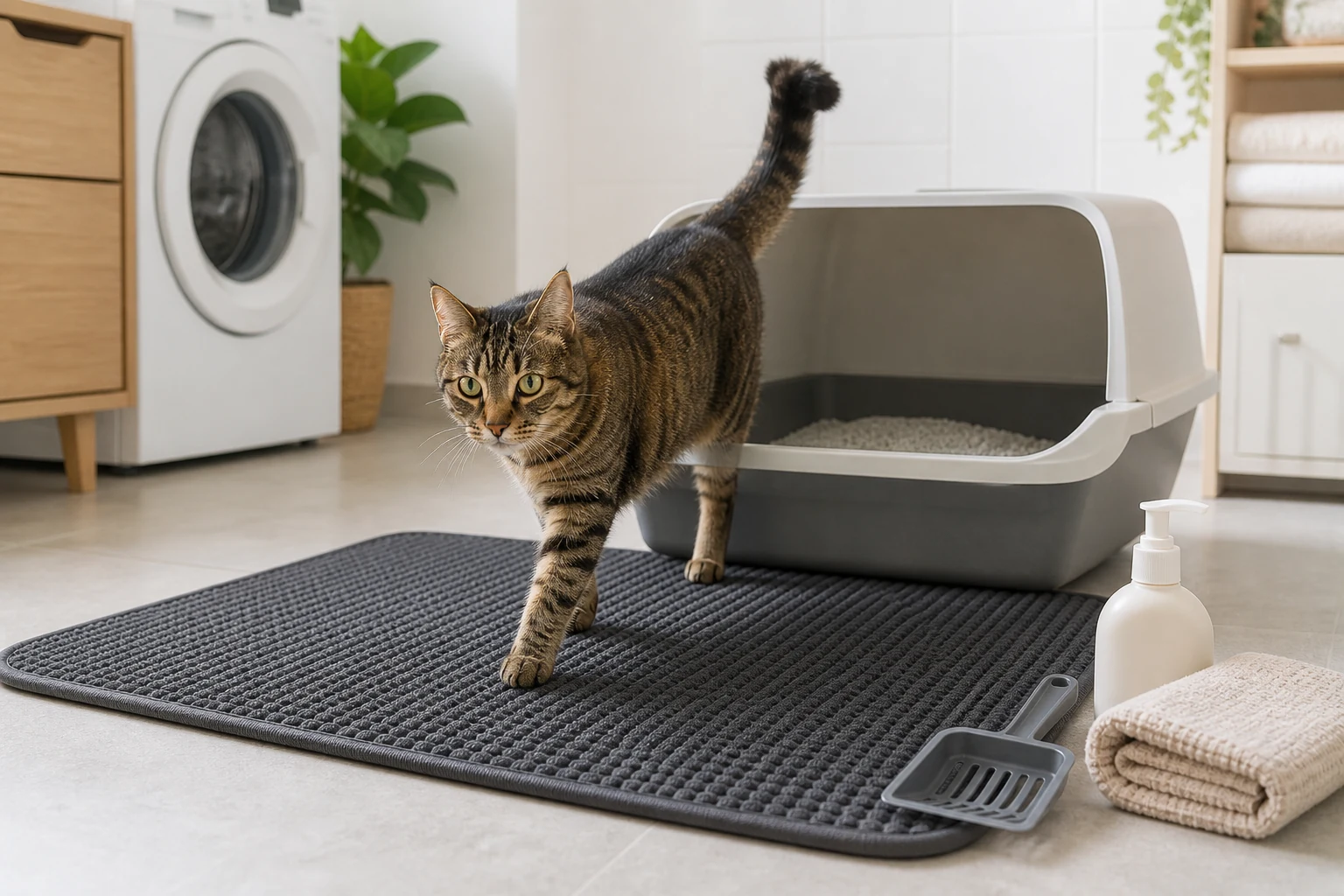
Clean a cat litter mat by emptying trapped granules, washing with mild unscented soap, rinsing well, and drying it fully before it returns to the box.
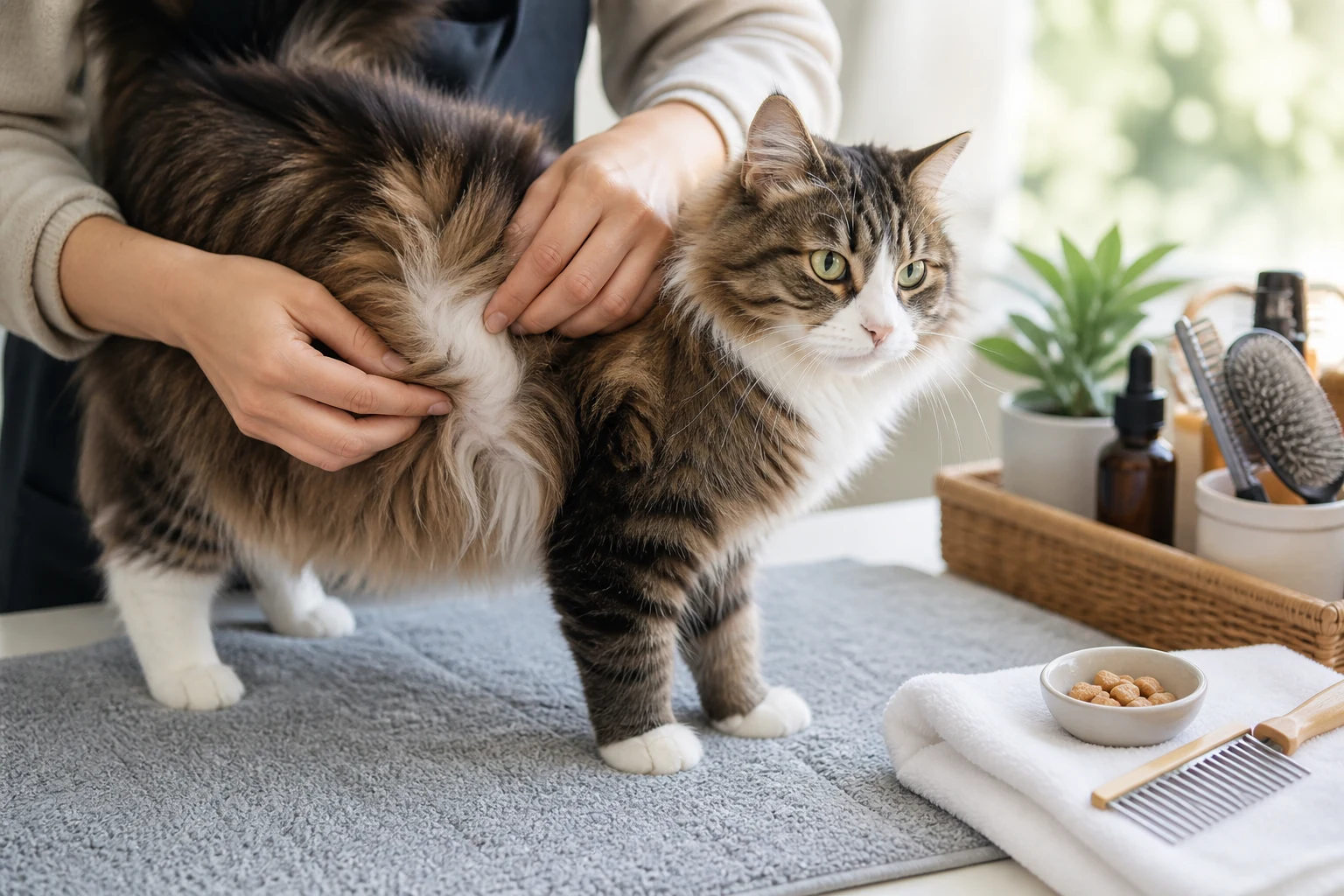
To prevent cat mats around the armpits and belly, check those friction zones before you brush the whole coat, use your fingers before tools, and stop while.
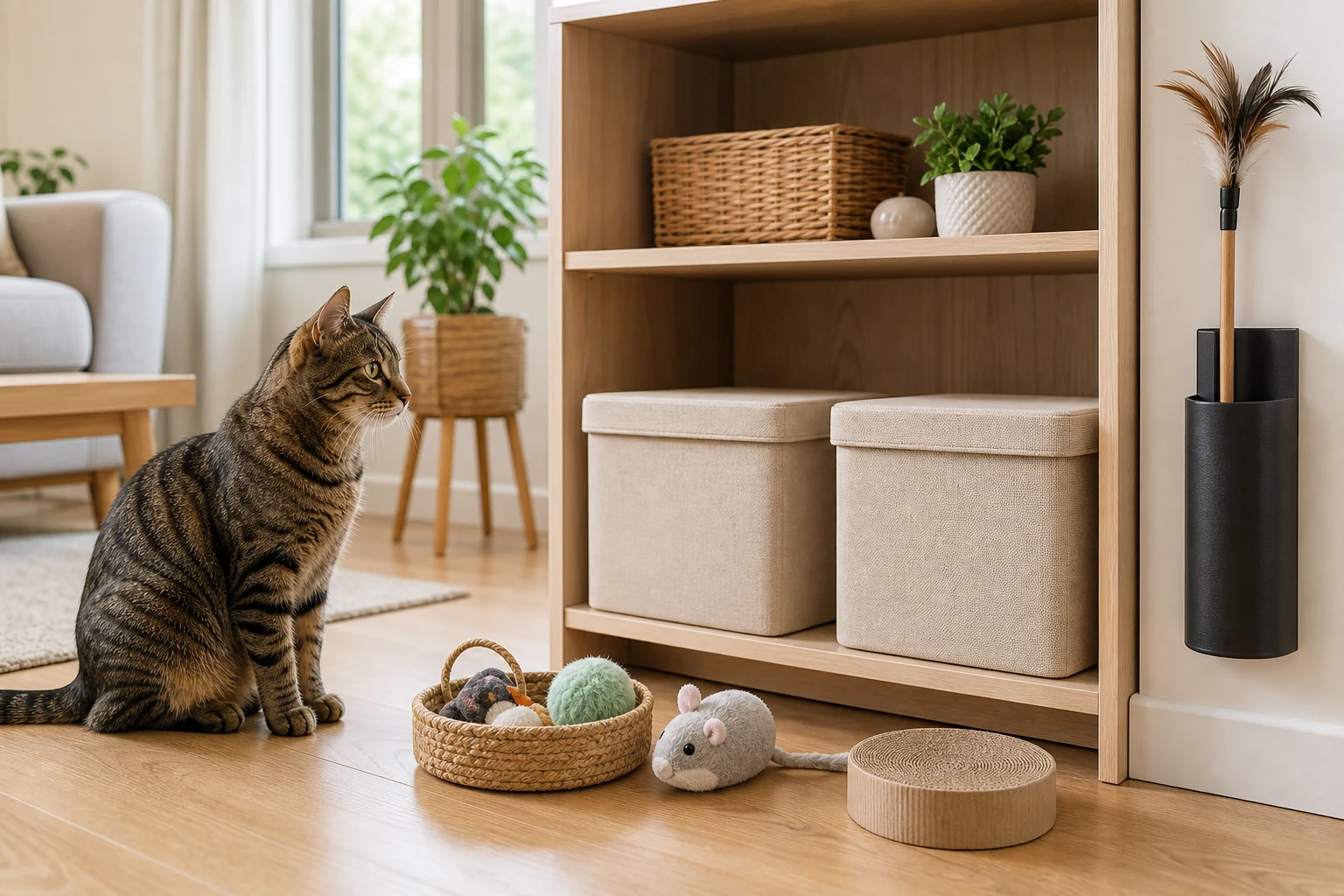
Store cat toys by keeping a small inspected play set out, locking away wand and string toys, cleaning food-contact toys, and retiring damaged pieces.
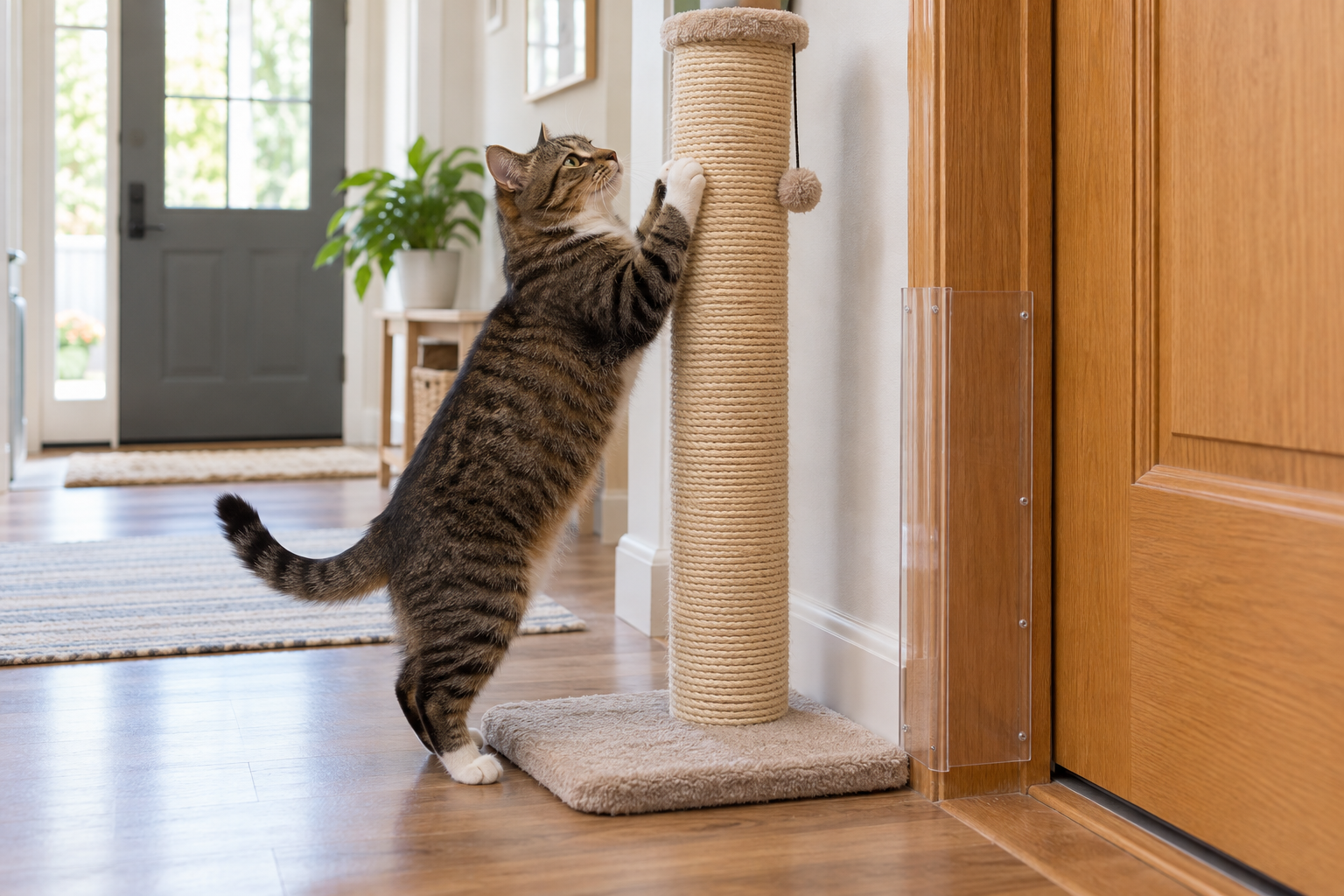
To protect a door frame from cat scratching, cover the damaged trim with a safe removable barrier and place a sturdy scratching surface beside that doorway.
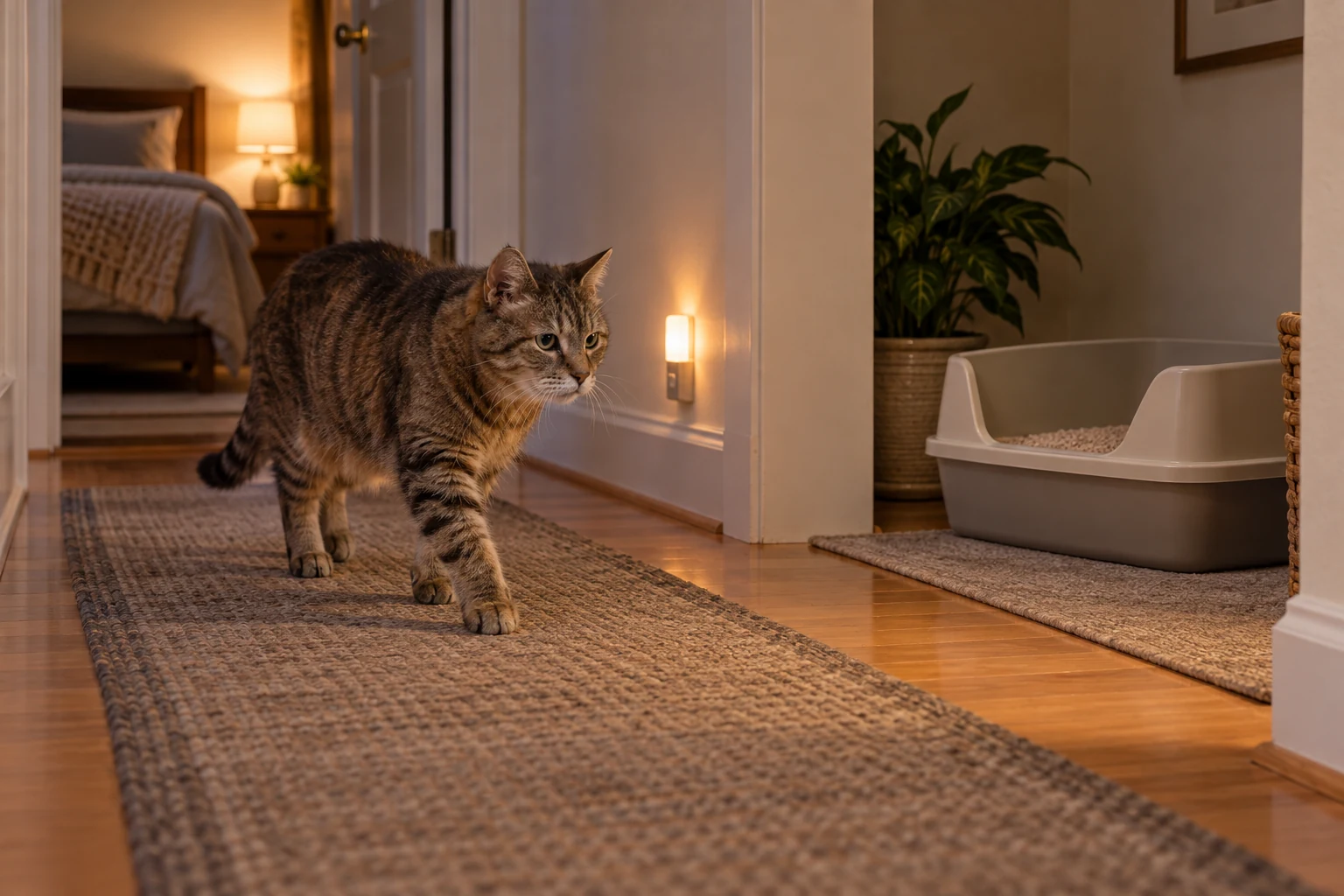
A senior cat’s nighttime litter box route should be short, visible, non-slip, and open, with flat rugs, gentle lights, clear doors, and a low-entry box.
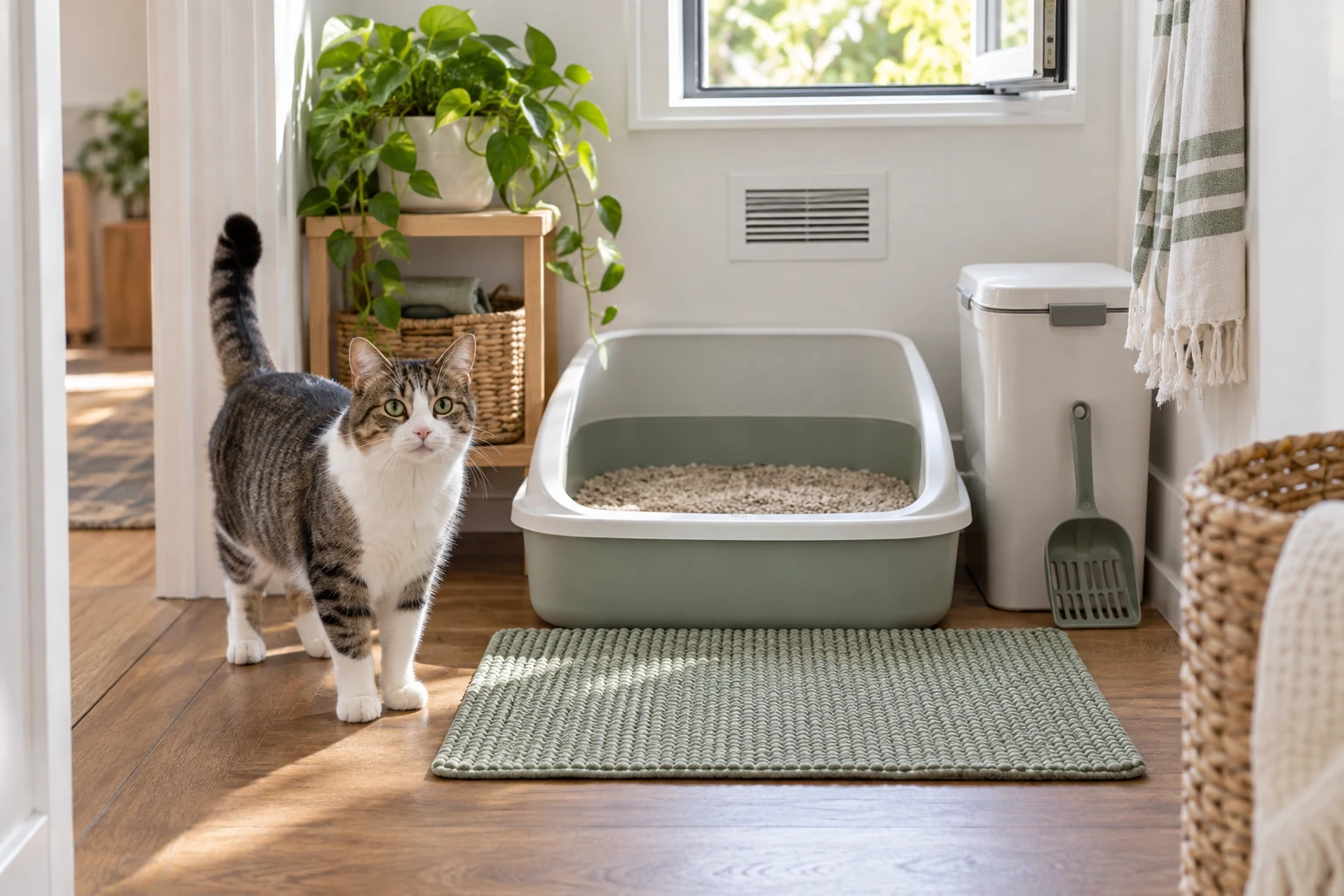
Keep a cat litter area smelling fresh by scooping daily, sealing waste, cleaning residue, using unscented litter, and adding gentle airflow.
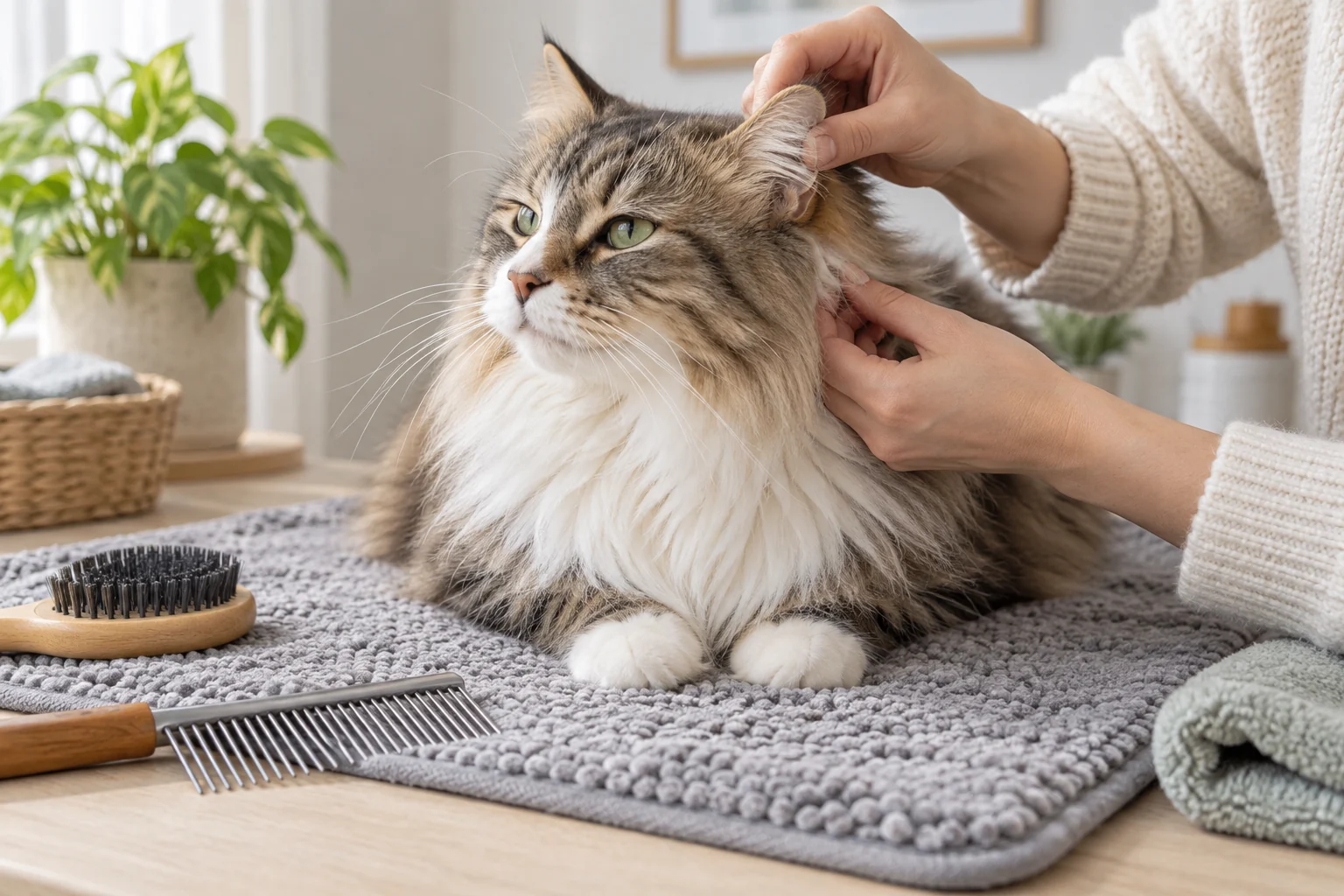
To prevent cat mats behind the ears and around the collar area, feel the fur with your fingers before you comb, remove the collar for short checks, and stop.